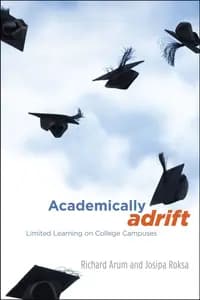
Academically Adrift: Limited Learning on College Campuses
by Richard Arum & Josipa Roska
Recommended byBill Gates
About This Book
"Academically Adrift" by Richard Arum and Josipa Roska is a groundbreaking study that sheds light on the state of higher education and its impact on student learning.
The authors argue that despite the increasing number of college graduates, many students are not gaining the essential skills and knowledge needed to succeed in the workforce. Through an extensive analysis of student performance data, surveys, and interviews, Arum and Roska paint a sobering picture of the lack of intellectual engagement and growth among undergraduates.
The book reveals that a significant portion of students spend their college years on shallow learning experiences, focusing more on socializing and extracurricular activities rather than on rigorous academic pursuits. They demonstrate that this approach often leads to a lack of critical thinking skills, analytical reasoning ability, and effective written communication, leaving graduates ill-prepared for the demands of the professional world.
Arum and Roska also highlight the role of colleges and universities in perpetuating this problem. They reveal that many institutions prioritize issues such as student satisfaction, campus amenities, and reputation over educational outcomes. This emphasis on the "college experience" often comes at the expense of robust curricula and effective teaching practices, further contributing to students' academic disengagement.
To address these challenges, the authors propose practical solutions to improve undergraduate education. They advocate for a renewed focus on rigorous coursework, increased faculty-student interaction, and transparent assessment of student learning. Additionally, Arum and Roska argue for stronger accountability measures that prioritize learning outcomes, both for colleges and individual instructors.
"Academically Adrift" serves as a wake-up call for policymakers, educators, and students alike. It highlights the urgent need for colleges and universities to reevaluate their priorities and take meaningful steps towards ensuring that every student receives a high-quality education that truly prepares them for the complexities of the modern world.
The authors argue that despite the increasing number of college graduates, many students are not gaining the essential skills and knowledge needed to succeed in the workforce. Through an extensive analysis of student performance data, surveys, and interviews, Arum and Roska paint a sobering picture of the lack of intellectual engagement and growth among undergraduates.
The book reveals that a significant portion of students spend their college years on shallow learning experiences, focusing more on socializing and extracurricular activities rather than on rigorous academic pursuits. They demonstrate that this approach often leads to a lack of critical thinking skills, analytical reasoning ability, and effective written communication, leaving graduates ill-prepared for the demands of the professional world.
Arum and Roska also highlight the role of colleges and universities in perpetuating this problem. They reveal that many institutions prioritize issues such as student satisfaction, campus amenities, and reputation over educational outcomes. This emphasis on the "college experience" often comes at the expense of robust curricula and effective teaching practices, further contributing to students' academic disengagement.
To address these challenges, the authors propose practical solutions to improve undergraduate education. They advocate for a renewed focus on rigorous coursework, increased faculty-student interaction, and transparent assessment of student learning. Additionally, Arum and Roska argue for stronger accountability measures that prioritize learning outcomes, both for colleges and individual instructors.
"Academically Adrift" serves as a wake-up call for policymakers, educators, and students alike. It highlights the urgent need for colleges and universities to reevaluate their priorities and take meaningful steps towards ensuring that every student receives a high-quality education that truly prepares them for the complexities of the modern world.
What People Are Saying
“Before reading this book, I took it for granted that colleges were doing a very good job.”
Revisit Your Highlights, Deepen Your Understanding
Import your Kindle highlights to review, organize, and share the ideas that matter most to you.
Get the free browser extension
Share This Book
More Books in Education
View More
Educated
Tara Westover

How to Read a Book
Mortimer J. Adler
A World-Class Education
Vivien Stewart
Applied Minds
Guruprasad Madhavan
Breaking Out of Beginner's Spanish
Joseph Keenan
Change.edu
Andrew S. Rosen

Class Warfare
Steven Brill

Dictionary of Untranslatables
Barbara Cassin
Don't Shoot the Dog!
Karen Pryor
In Other Words
Ellen Bialystok
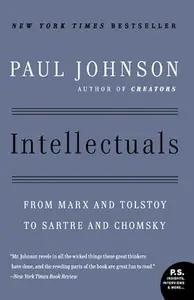
Intellectuals
Paul Johnson
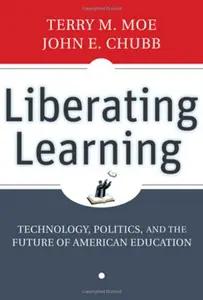
Liberating Learning
Terry M. Moe & John E. Chubb
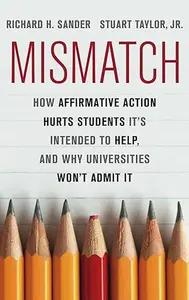
Mismatch
Richard Sander
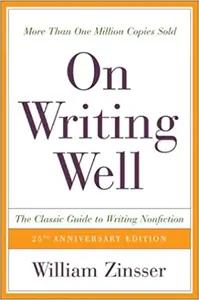
On Writing Well
William Zinsser
Pilot's Handbook of Aeronautical Knowledge
Federal Aviation Administration
Prepared
Diane Tavenner
Simple & Direct
Jacques Barzun
Speak Like Churchill, Stand Like Lincoln
James C. Humes
Stretching the School Dollar
Frederick M. Hess & Eric Osberg
The Big Test
Nicholas Lemann
The Captive Mind
Czeslaw Milos
The Closing of the American Mind
Allan Bloom
The Making of an American Thinking Class
Darren Staloff
The Ordeal of Civility
John Murray Cuddihy
Value-added Measures in Education
Douglas N Harris
What School Could Be
Ted Dintersmith
Where Do School Funds Go?
Marguerite Roza
Work Hard. Be Nice.
Jay Matthews
Writing Down The Bones
Natalie Goldberg
Popular Books Recommended by Great Minds 📚
Sapiens
Yuval Noah Harari
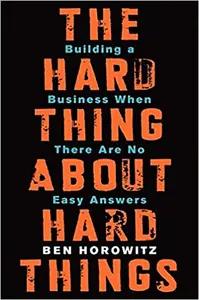
The Hard Thing About Hard Things
Ben Horowitz
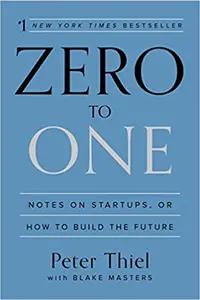
Zero to One
Peter Thiel
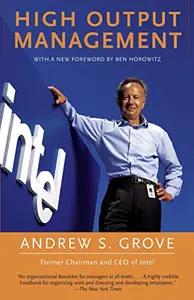
High Output Management
Andrew Grove
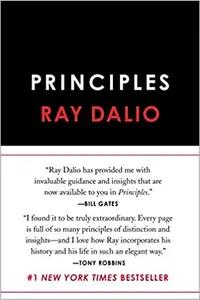
Principles
Ray Dalio
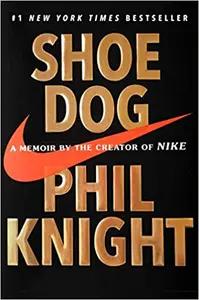
Shoe Dog
Phil Knight
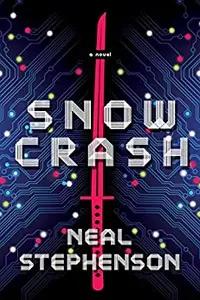
Snow Crash
Neal Stephenson
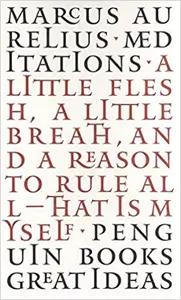
Meditations
Marcus Aurelius
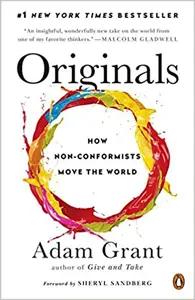
Originals
Adam Grant

Poor Charlie's Almanack
Charlie Munger
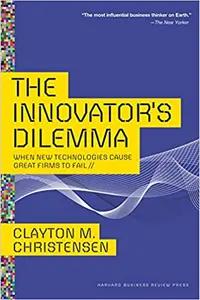
The Innovators Dilemma
Clayton Christensen
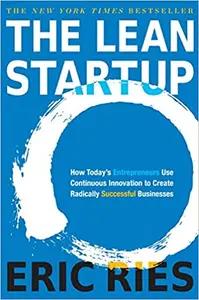
The Lean Startup
Eric Reis
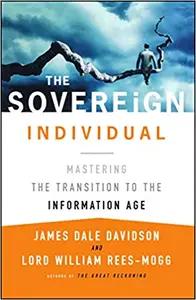
The Sovereign Individual
James Dale Davidson & William Rees-Mogg
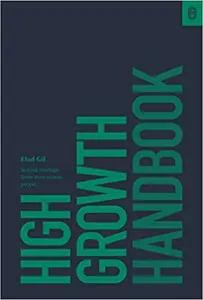
High Growth Handbook
Elad Gil
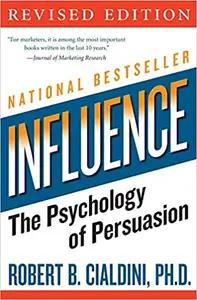
Influence
Robert Cialdini
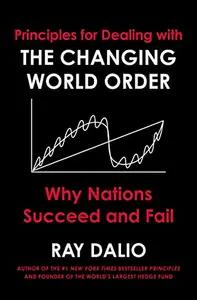
Principles for Dealing With The Changing World Order
Ray Dalio
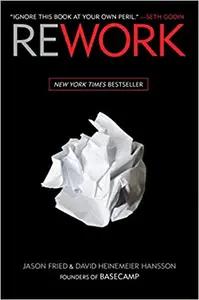
Rework
Jason Fried
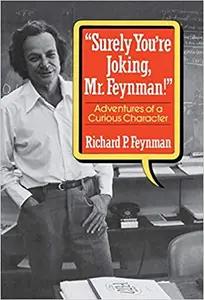
Surely You're Joking Mr. Feynman
Richard Feynman
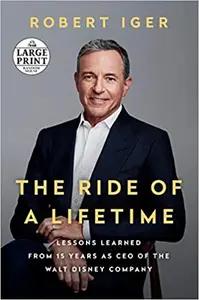
The Ride of a Lifetime
Bob Iger
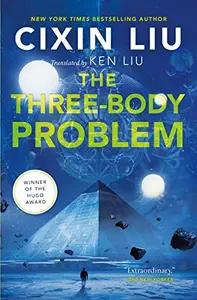
The Three Body Problem
Cixin Liu
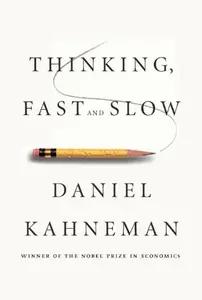
Thinking, Fast and Slow
Daniel Kahneman
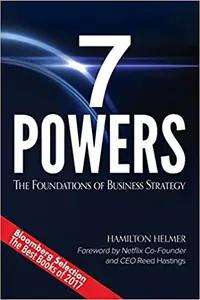
7 Powers
Hamilton Helmer
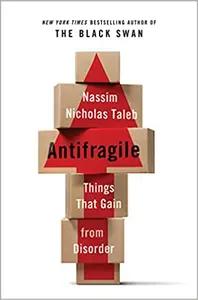
Antifragile
Nassim Nicholas Taleb
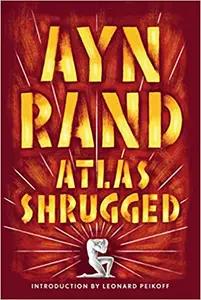
Atlas Shrugged
Ayn Rand
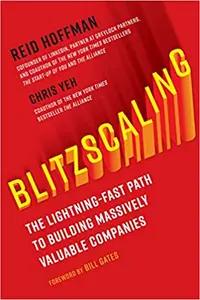
Blitzscaling
Reid Hoffman
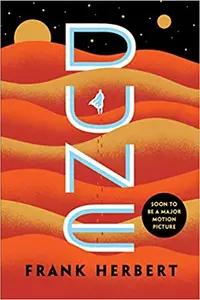
Dune
Frank Herbert

Foundation
Isaac Asimov
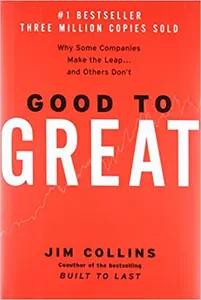
Good To Great
Jim Collins
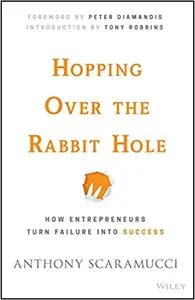
Hopping Over The Rabbit Hole
Anthony Scaramucci
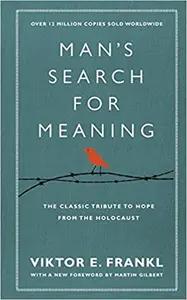
Man's Search for Meaning
Viktor Frankl