Recommended byKevin Systrom
About This Book
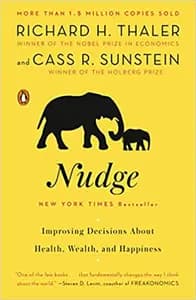
"Nudge" by Richard Thaler is a captivating exploration of how small interventions or nudges can have a significant impact on people's behavior and decision-making. Drawing on insights from behavioral economics, Thaler and co-author Cass Sunstein emphasize the power of subtle nudges in altering choices without restricting freedom of choice.
The book starts by introducing the concept of choice architecture, which refers to the way choices are presented and organized. Thaler and Sunstein argue that by altering the choice architecture, policymakers and individuals can influence people to make better decisions. They provide numerous examples of successful nudges, such as default options for retirement savings, to illustrate their point.
The authors highlight the importance of understanding human biases and irrationalities when designing effective nudges. They explore concepts like cognitive biases, social norms, and loss aversion to explain why people often make choices that are not in their best interest. Thaler and Sunstein stress the need to recognize and address these cognitive biases to guide individuals towards more optimal outcomes.
Additionally, the book delves into the ethical concerns surrounding nudges. Thaler and Sunstein discuss the principle of libertarian paternalism, which suggests that policymakers can nudge individuals towards making better decisions while still respecting their freedom to choose. They argue that carefully designed nudges can help people overcome their inherent biases and make choices that align with their long-term goals and well-being.
"Nudge" offers practical advice on how to apply the principles of nudging in various areas, including healthcare, finance, and education. Through real-world examples and case studies, the authors demonstrate how nudges have successfully improved outcomes in these domains. They also provide guidelines for policymakers, businesses, and individuals on how to implement effective nudges ethically and transparently.
In this thought-provoking book, Thaler and Sunstein present a compelling argument for the power of small nudges in shaping behavior and decision-making. "Nudge" offers valuable insights for anyone interested in understanding how subtle interventions can help individuals and society make better choices, ultimately leading to improved outcomes and well-being.
The book starts by introducing the concept of choice architecture, which refers to the way choices are presented and organized. Thaler and Sunstein argue that by altering the choice architecture, policymakers and individuals can influence people to make better decisions. They provide numerous examples of successful nudges, such as default options for retirement savings, to illustrate their point.
The authors highlight the importance of understanding human biases and irrationalities when designing effective nudges. They explore concepts like cognitive biases, social norms, and loss aversion to explain why people often make choices that are not in their best interest. Thaler and Sunstein stress the need to recognize and address these cognitive biases to guide individuals towards more optimal outcomes.
Additionally, the book delves into the ethical concerns surrounding nudges. Thaler and Sunstein discuss the principle of libertarian paternalism, which suggests that policymakers can nudge individuals towards making better decisions while still respecting their freedom to choose. They argue that carefully designed nudges can help people overcome their inherent biases and make choices that align with their long-term goals and well-being.
"Nudge" offers practical advice on how to apply the principles of nudging in various areas, including healthcare, finance, and education. Through real-world examples and case studies, the authors demonstrate how nudges have successfully improved outcomes in these domains. They also provide guidelines for policymakers, businesses, and individuals on how to implement effective nudges ethically and transparently.
In this thought-provoking book, Thaler and Sunstein present a compelling argument for the power of small nudges in shaping behavior and decision-making. "Nudge" offers valuable insights for anyone interested in understanding how subtle interventions can help individuals and society make better choices, ultimately leading to improved outcomes and well-being.
What People Are Saying
More Praise
Kevin Systrom listed 'Nudge' among his favorite books on Facebook.
Revisit Your Highlights, Deepen Your Understanding
Import your Kindle highlights to review, organize, and share the ideas that matter most to you.
Get the free browser extension
Share This Book
More Books in Psychology
View More
Influence
Robert Cialdini
Thinking, Fast and Slow
Daniel Kahneman
Man's Search for Meaning
Viktor Frankl
Superforecasting
Philip Tetlock
Mindset
Carol Dweck
Lying
Sam Harris
The Undoing Project
Michael Lewis
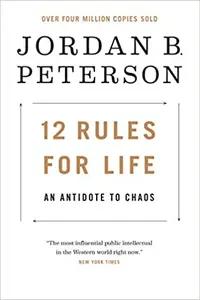
12 Rules For Life
Jordan B. Peterson
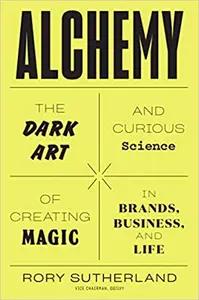
Alchemy
Rory Sutherland
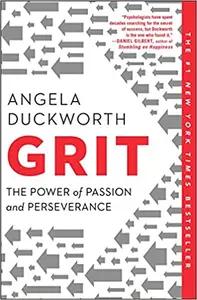
Grit
Angela Duckworth
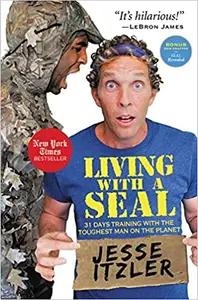
Living With A SEAL
Jesse Itzler
Drunk Tank Pink
Adam Alter
Incognito
David Eagleman
Pre-Suasion
Robert Cialdini
Tao Te Ching
Lao Tzu
The Hero with a Thousand Faces
Joseph Campbell
The Invisible Gorilla
Christopher Chabris
The Scout Mindset
Julia Galef
The Talent Code
Daniel Coyle
The Tipping Point
Malcolm Gladwell
Tribe
Sebastian Junger
A History of the Mind
Nicholas Humphrey
A Short Guide to a Happy Life
Anna Quindlen
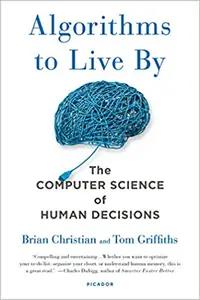
Algorithms to Live By
Brian Christian
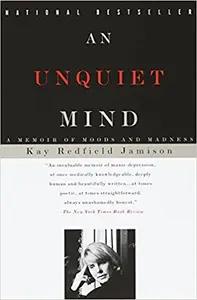
An Unquiet Mind
Kay Jamison
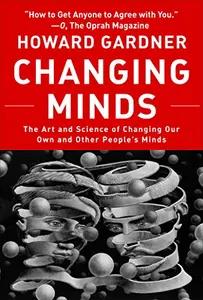
Changing Minds
Howard Gardner
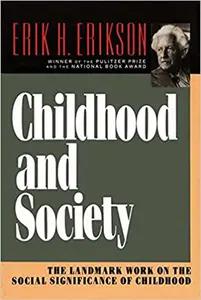
Childhood and Society
Erik Erikson
Consciousness
Susan Blackmore
Discovering Your Personality Type
Don Richard Riso
Drive
Daniel Pink
Popular Books Recommended by Great Minds 📚
Sapiens
Yuval Noah Harari
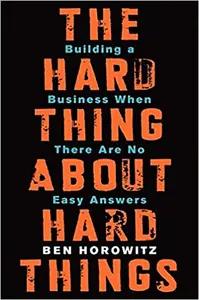
The Hard Thing About Hard Things
Ben Horowitz
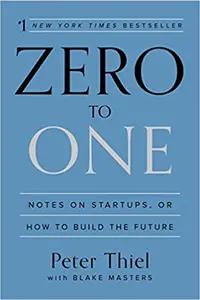
Zero to One
Peter Thiel
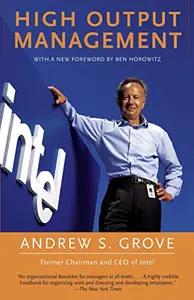
High Output Management
Andrew Grove
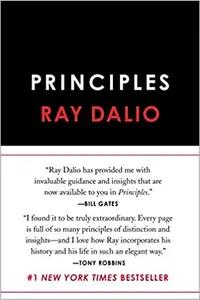
Principles
Ray Dalio
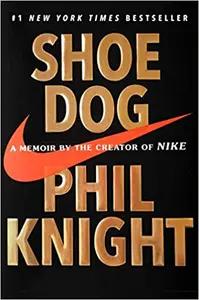
Shoe Dog
Phil Knight
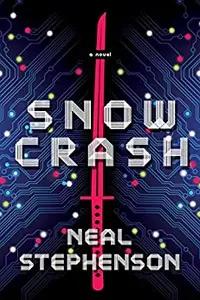
Snow Crash
Neal Stephenson
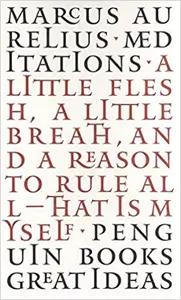
Meditations
Marcus Aurelius
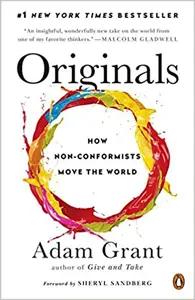
Originals
Adam Grant
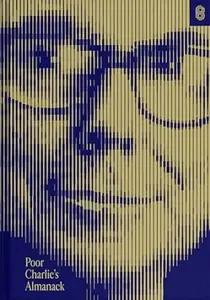
Poor Charlie's Almanack
Charlie Munger
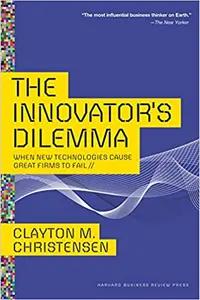
The Innovators Dilemma
Clayton Christensen
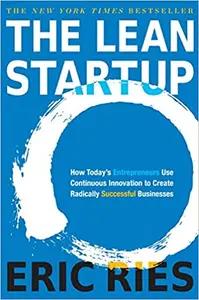
The Lean Startup
Eric Reis
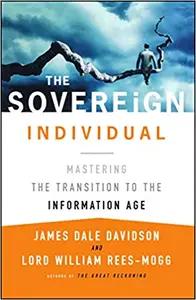
The Sovereign Individual
James Dale Davidson & William Rees-Mogg
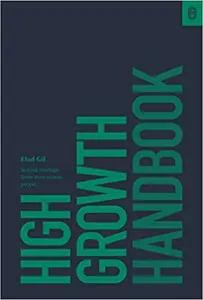
High Growth Handbook
Elad Gil
Influence
Robert Cialdini
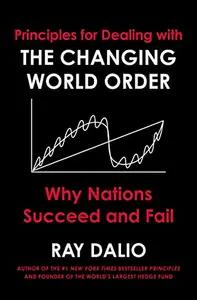
Principles for Dealing With The Changing World Order
Ray Dalio
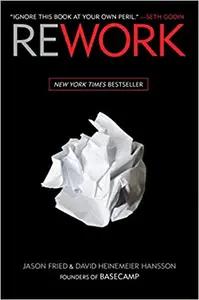
Rework
Jason Fried
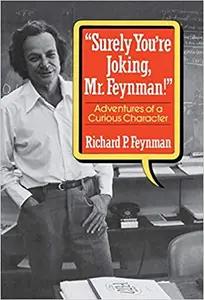
Surely You're Joking Mr. Feynman
Richard Feynman
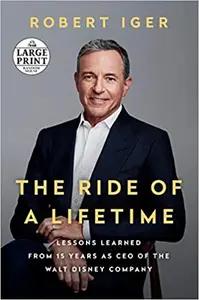
The Ride of a Lifetime
Bob Iger
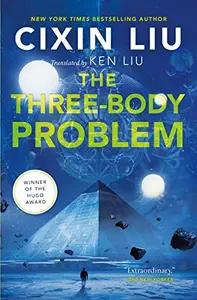
The Three Body Problem
Cixin Liu
Thinking, Fast and Slow
Daniel Kahneman
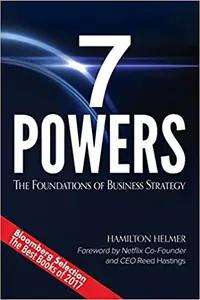
7 Powers
Hamilton Helmer
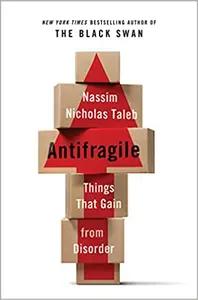
Antifragile
Nassim Nicholas Taleb
Atlas Shrugged
Ayn Rand
Blitzscaling
Reid Hoffman
Dune
Frank Herbert

Foundation
Isaac Asimov
Good To Great
Jim Collins
Hopping Over The Rabbit Hole
Anthony Scaramucci
Man's Search for Meaning
Viktor Frankl