Strawberries Production Cost Analysis Report by Procurement Resource

Sep 18, 2025
5 min read
0 views
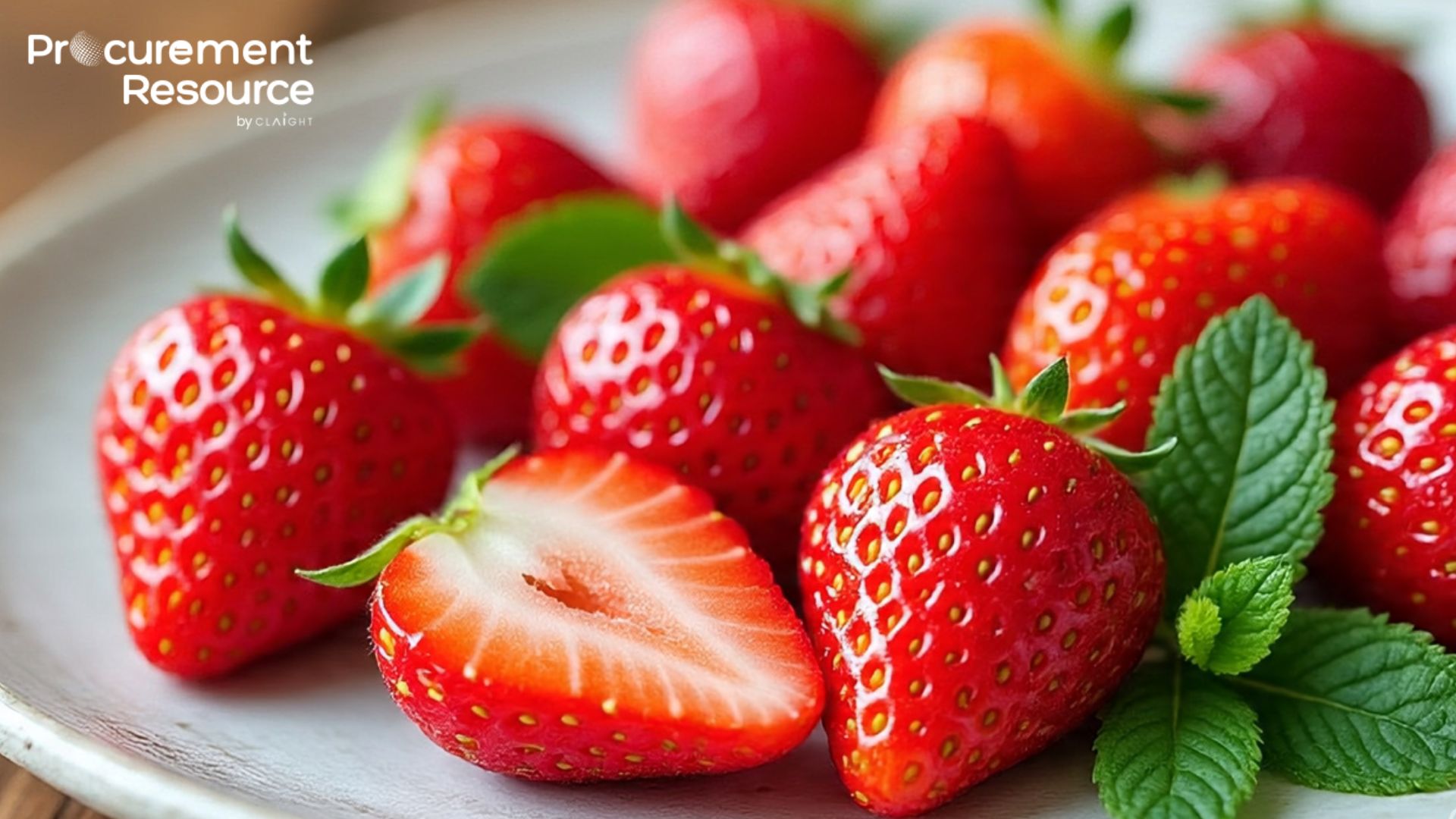
Procurement Resource, a global leader in procurement intelligence and market research, proudly presents its latest Strawberries Production Cost Report. This all-inclusive study provides critical insights for entrepreneurs, agribusiness investors, and food processing companies interested in strawberry farming or large-scale production. From cost structures and market dynamics to agronomic requirements and sustainability trends, this report equips stakeholders with the strategic knowledge necessary to establish or scale successful strawberry ventures.
Strawberries: A High-Value Horticultural Crop
Strawberries (Fragaria × ananassa) are among the most popular and widely cultivated berry fruits worldwide. Valued for their sweet taste, vibrant color, and rich nutrient profile, strawberries are consumed fresh and used in various processed forms—such as jams, juices, yogurts, baked goods, and flavorings.
As demand continues to rise for fresh produce, healthy snacks, and natural ingredients, strawberries have become a vital component of the global fruit supply chain. Their high market value, short harvesting cycle, and broad climatic adaptability make them a profitable crop, especially for regions with supportive agro-climatic conditions.
Complete Cost Report: A Strategic Tool for Agro-Investment
The Strawberries Production Cost Report by Procurement Resource provides a detailed breakdown of costs, market insights, and technical guidance for cultivating strawberries efficiently. It serves as a practical guide for new growers, agritech startups, exporters, food processors, and investors seeking high returns in the fresh produce sector.
Market Overview and Demand Outlook
Global Demand Trends
Strawberries are cultivated across temperate and subtropical regions, with major producers including:
United States (California and Florida)
Mexico
Spain
Turkey
China
Poland
Egypt
Driven by increasing health consciousness, growing middle-class incomes, and the rising demand for natural food ingredients, global strawberry consumption is on a steady upward trend.
Key Market Segments
The strawberry market is segmented across:
Fresh fruit consumption
Frozen and processed products
Beverages and desserts
Pharmaceuticals and nutraceuticals
These diverse applications create a resilient and dynamic market base.
Export and Trade Opportunities
Countries with favorable climates and cost-effective production systems—like Mexico, Egypt, and Morocco—are becoming key exporters, especially to Europe and North America. The report analyzes export potential, tariff structures, and logistics challenges in strawberry trade.
Raw Material and Input Cost Analysis
Successful strawberry cultivation relies on a range of inputs, each contributing significantly to total production costs. The report details the cost trends of:
Seedlings or runners (often purchased from certified nurseries)
Fertilizers (NPK, micronutrients)
Pesticides and fungicides
Plastic mulch, drip irrigation systems
Labor for planting, weeding, and harvesting
Cold storage and packaging materials
Regional variations in input prices are examined to offer a comparative outlook across production zones.
Agronomic and Technical Insights
Site Selection and Climate Requirements
Strawberries thrive in cool to mild climates, requiring well-drained sandy loam soils with pH 5.5 to 6.5. The report outlines:
Optimal temperature ranges
Chill hour requirements
Sunlight exposure
Soil fertility parameters
Cultivation Practices
The report presents a step-by-step guide to strawberry farming, including:
Land Preparation and Bed Formation
Mulching and Drip Irrigation Setup
Transplanting of Runners
Fertilization and Crop Nutrition
Pest and Disease Management
Flowering and Pollination
Harvesting and Post-Harvest Handling
Detailed timelines and resource needs for each phase are provided.
Yield and Harvesting Estimates
Depending on variety and growing conditions, average yields range from 20 to 35 tons per hectare. Harvesting begins 60–90 days after planting and can continue for 4–8 weeks, especially in temperate climates with staggered flowering.
Infrastructure and Machinery Requirements
The infrastructure for strawberry farming and post-harvest handling includes:
Polyhouse or open-field setups
Drip irrigation and fertigation systems
Plastic mulch and raised beds
Harvest bins, cold rooms, and packaging stations
In mechanized farms, additional equipment such as rotary tillers, mulch layers, and grading machines may be employed.
Labor and Human Resource Evaluation
Strawberries are labor-intensive, particularly during transplanting, weeding, and harvesting phases. The report provides estimates for:
Number of workers per hectare
Wages based on regional standards
Labor distribution across seasonal cycles
It also highlights training requirements for crop management and post-harvest quality assurance.
Compliance and Quality Standards
To meet market and export standards, strawberries must comply with:
Global GAP or USDA organic certifications
Pesticide residue limits
Cold chain compliance
Size, color, and sweetness grading systems
The report outlines testing procedures, sorting and grading protocols, and sanitation requirements to meet commercial-grade benchmarks.
Economic Analysis and Profitability
Capital Investment Breakdown
Initial investment components include:
Land lease or purchase
Bed preparation and irrigation setup
Nursery plants or tissue culture saplings
Infrastructure for post-harvest handling
Cold storage or supply chain arrangements
The report provides cost estimates for 1-hectare to 10-hectare farms, with scalable models for both open-field and protected cultivation.
Operational Cost Analysis
Recurring costs covered in the report include:
Fertilizers and agrochemicals
Labor wages and supervision
Irrigation and electricity
Packaging and transport
Marketing and compliance expenses
Breakdowns are presented on a per kg, per hectare, and per season basis.
Profit Margins and ROI
Based on market selling prices and input costs, the report provides profitability estimates, including:
Gross and net margins
Internal Rate of Return (IRR)
Seasonal revenue projections
Sensitivity analysis for price or yield fluctuations
Sustainability and Green Farming Opportunities
As climate change and environmental sustainability become central to agricultural policy, strawberry farmers are shifting to:
Integrated Pest Management (IPM)
Organic and residue-free cultivation
Water-saving irrigation technologies
Plastic waste reduction and biodegradable mulch
The report covers incentives, grants, and technological trends that support sustainable strawberry farming practices.
Why Choose Procurement Resource?
Procurement Resource is a trusted partner in agribusiness intelligence, offering cost transparency, supply chain insights, and data-driven recommendations. With a team of domain experts and advanced analytical tools, the company helps clients:
Optimize farm operations
Plan new agri-projects
Analyze regional cost advantages
Benchmark suppliers and inputs
Get Your Free Sample Report
For those exploring opportunities in fruit farming, horticultural exports, or food processing, the Strawberries Production Cost Report by Procurement Resource is an indispensable resource.
Request Your Free Sample Report: https://www.procurementresource.com/production-cost-report-store/strawberries/request-sample
Contact Information
Company Name: Procurement Resource
Contact Person: Ashish Sharma (Sales Representative)
Email: [email protected]
Location: 30 North Gould Street, Sheridan, WY 82801, USA
Phone: UK: +44 7537171117 USA: +1 307 363 1045 Asia-Pacific (APAC): +91 1203185500
Connect With Us Online:
https://www.linkedin.com/company/procurement-resource-official/
Comments
Amit Sharma is a Senior SEO Executive at Procurement Resource, passionate about digital marketing, content writing, and SEO strategy. With a B.Sc. in IT.