Mustard Seed Price Trend Analysis: Market Insights, Forecasts & Key Drivers

Aug 11, 2025
4 min read
0 views
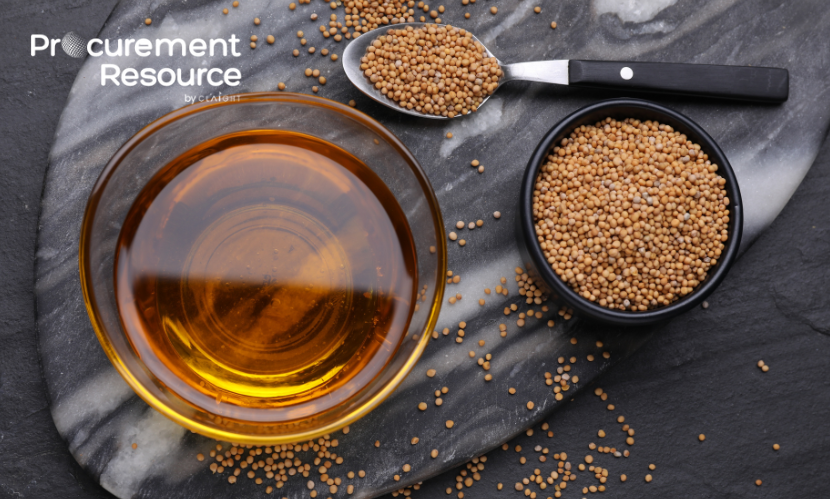
Mustard seeds have been a crucial part of the global agricultural industry for centuries, both as a spice and as a key ingredient in cooking oils. In recent years, the price trend of mustard seeds has been affected by a range of factors, from weather patterns and production rates to supply chain disruptions and market demands. This article aims to provide an in-depth look at the price trend of mustard seeds and the factors that influence their prices.
Global Overview of Mustard Seed Prices
The mustard seed market is influenced by global agricultural dynamics, including production levels, geopolitical conditions, and trade policies. The price of mustard seeds can vary significantly from one year to the next, depending on a combination of factors. For instance, in major producing countries like India, Canada, and Russia, fluctuations in yield and export demand can cause prices to rise or fall.
In recent years, mustard seed prices have seen a steady increase. This trend has been particularly evident in countries that rely on mustard for oil extraction. In India, which is one of the largest producers and consumers of mustard, prices have witnessed growth due to several factors. The increasing demand for mustard oil as a cooking medium, along with weather-related issues such as droughts and floods, has impacted the supply and contributed to rising prices. Moreover, fluctuations in international trade and tariff policies have further complicated the price dynamics.
Request For Sample: https://www.procurementresource.com/resource-center/mustard-seed-price-trends/pricerequest
Factors Influencing Mustard Seed Prices
Several key factors influence the price of mustard seeds, including:
Weather Conditions: Mustard crops are highly sensitive to climatic conditions. Unfavorable weather conditions such as drought, excessive rainfall, or cold temperatures can damage the crops, resulting in lower yields. In countries like India and Canada, where mustard is a vital agricultural product, unpredictable weather can significantly influence the price trends.
Production Costs: The cost of producing mustard seeds has also increased over the years due to rising input costs such as labor, fertilizers, and fuel. As production costs rise, farmers may pass on these increases to the consumers, leading to higher seed prices.
Demand for Mustard Oil: Mustard seeds are primarily used for the extraction of mustard oil, a cooking oil that is highly popular in regions like South Asia. In recent years, there has been an increasing demand for mustard oil due to its health benefits. The growing preference for healthy cooking oils has spurred the demand for mustard seeds, thereby influencing the price trend.
Supply Chain Disruptions: The global supply chain has experienced significant disruptions, particularly in the wake of the COVID-19 pandemic. Transportation delays, labor shortages, and trade restrictions have affected the distribution of mustard seeds. These disruptions have resulted in price volatility, as limited supply often leads to higher prices.
Government Policies and Trade Agreements: Export restrictions, tariffs, and subsidies can also play a role in determining mustard seed prices. For example, India's export policies, which affect the flow of mustard seeds to international markets, can have a significant impact on global prices. Similarly, changes in trade relations between countries can affect mustard seed prices.
Substitution with Other Oilseeds: The price of mustard seeds can also be influenced by the availability and pricing of substitute crops. For instance, if the price of alternative oilseeds like soybean or sunflower increases, it can lead to shifts in demand for mustard seeds, which in turn affects the market price.
Regional Variations in Mustard Seed Prices
While the global price trend of mustard seeds has shown an upward trajectory, regional price variations are also noteworthy. In India, for example, mustard seed prices tend to fluctuate based on the monsoon season and regional crop production. The government's procurement policies, which involve purchasing mustard seeds at minimum support prices, can help stabilize prices to some extent but may not always prevent price hikes.
In Canada, which is another significant producer, mustard seed prices are impacted by both domestic production levels and the global demand for oilseeds. Canadian mustard seeds are also affected by export markets, with countries like the United States, Europe, and even China being major buyers. Trade agreements, such as the US-Mexico-Canada Agreement (USMCA), can have an impact on mustard seed exports, thereby influencing prices.
Price Trend Outlook
Looking ahead, the price trend for mustard seeds is likely to remain volatile in the short term. Climate change poses an ongoing risk to crop yields, and factors such as rising production costs and fluctuating global demand for mustard oil will continue to influence prices. However, with increasing awareness of the health benefits of mustard oil, there may be a sustained demand for mustard seeds in the long run.
Moreover, technological advancements in agriculture, such as the development of drought-resistant mustard varieties and improvements in farming practices, could help stabilize production and reduce the impact of weather-related disruptions on mustard seed prices.
Contact Information
Company Name: Procurement Resource Contact Person: Ashish Sharma (Sales Representative) Email: [email protected] Location: 30 North Gould Street, Sheridan, WY 82801, USA Phone: UK: +44 7537171117 USA: +1 307 363 1045 Asia-Pacific (APAC): +91 1203185500
Comments
Amit Sharma is a Senior SEO Executive at Procurement Resource, passionate about digital marketing, content writing, and SEO strategy. With a B.Sc. in IT.