Sponge Iron Production Cost Analysis Report by Procurement Resource

Aug 06, 2025
6 min read
1 views
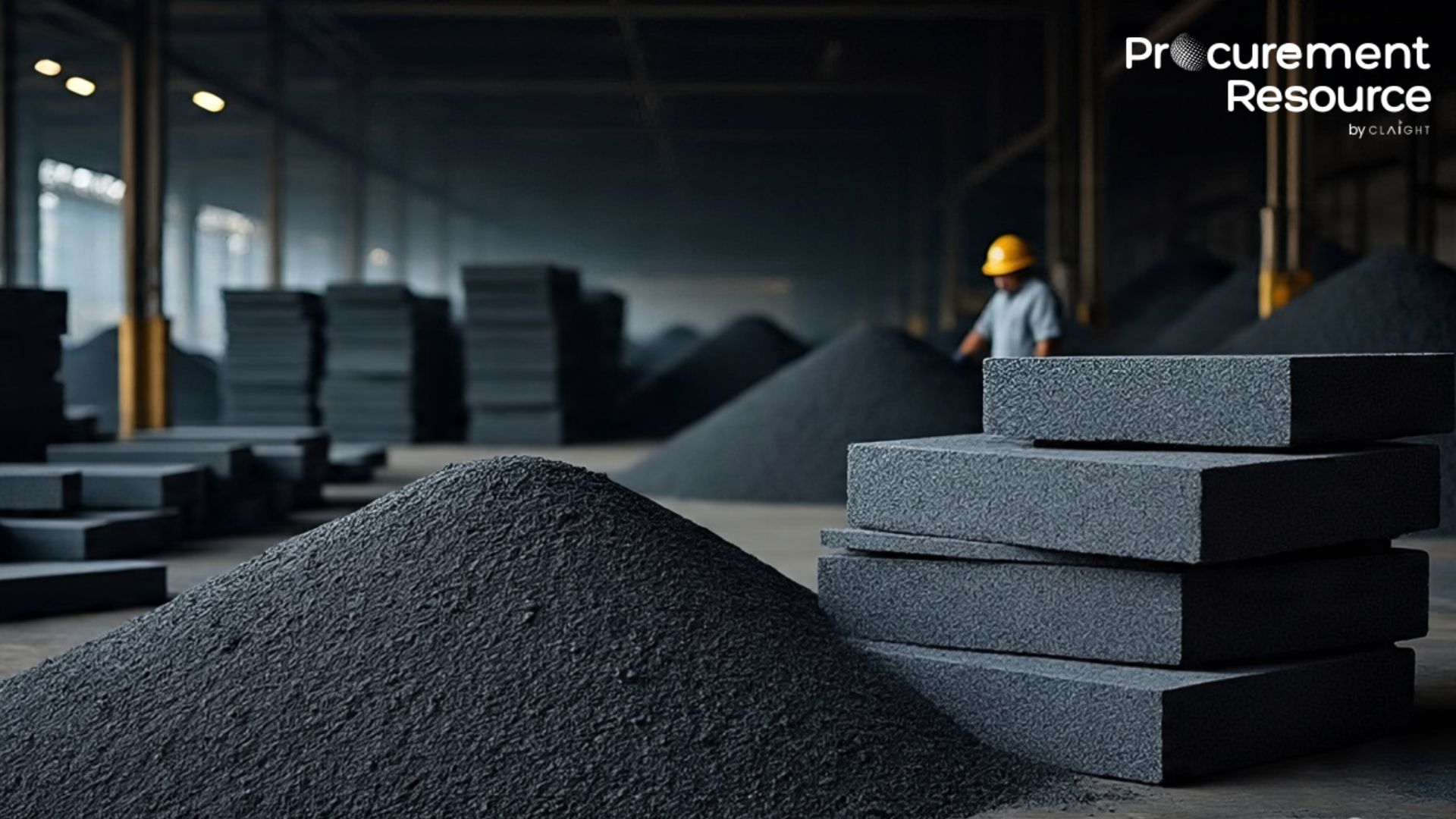
Procurement Resource, a global leader in procurement intelligence and cost analysis, is pleased to release its latest Sponge Iron Production Cost Report. This detailed and data-rich report is a crucial asset for stakeholders, including manufacturers, investors, consultants, and entrepreneurs, who are seeking to enter or expand in the sponge iron market. The report delivers deep insights into production cost structures, raw material pricing, technical know-how, and sustainability trends - empowering strategic, data-backed decision-making.
Sponge Iron: The Backbone of Secondary Steelmaking
Sponge iron, also known as Direct Reduced Iron (DRI), is a metallic product obtained by the direct reduction of iron ore in the solid state. It is an essential feedstock in electric arc furnaces (EAF) and induction furnaces used for secondary steel production. Due to its high metallization rate, sponge iron provides a clean, consistent, and energy-efficient alternative to scrap steel, particularly in regions facing raw material constraints.
With growing steel demand across infrastructure, construction, automotive, and energy sectors, sponge iron production is gaining traction in emerging economies such as India, China, Brazil, and countries in Africa. Moreover, environmental concerns and scrap supply uncertainties are driving industries to explore sponge iron as a sustainable steelmaking input.
A Comprehensive Cost Report for Strategic Planning
The Sponge Iron Production Cost Report by Procurement Resource serves as a one-stop guide for businesses considering sponge iron production facilities. It provides granular cost estimations, technical overviews, and market dynamics. This report is designed to help stakeholders navigate the complexities of sponge iron production - from setting up infrastructure to achieving commercial profitability.
Market Dynamics: Global Trends and Regional Demand
The report presents a detailed analysis of market trends, regional outlook, and growth opportunities in sponge iron production:
Asia-Pacific, particularly India, remains the largest producer and consumer of sponge iron, driven by the rise in electric furnace-based steelmaking and availability of iron ore.
Latin America and Africa show promising growth due to rising demand for infrastructure and industrial development.
Middle East countries are also investing in DRI plants due to their abundant natural gas resources, which serve as the primary reductant in gas-based processes.
The report also reviews regulatory frameworks, trade policies, and environmental mandates influencing sponge iron manufacturing.
Raw Material and Price Analysis
Sponge iron production heavily depends on raw material availability and cost-efficiency, including:
Iron Ore (Lumps or Pellets) – The primary feedstock, with cost and grade affecting the yield and quality of sponge iron.
Coal (Non-Coking Coal or Thermal Coal) – Used in coal-based DRI plants for its reducing properties.
Natural Gas – An alternative reductant in gas-based processes, preferred for its lower carbon emissions.
Lime/Dolomite – Utilized for desulfurization and impurity removal.
The report analyzes global pricing trends, volatility risks, and supply chain disruptions impacting raw material procurement and production costs.
Production Process and Technical Insights
The report covers all major production routes and technical aspects of sponge iron manufacturing:
Coal-Based DRI Process
This is the most common method, especially in India. Iron ore and non-coking coal are heated in a rotary kiln where the ore gets reduced to metallic iron.
Key equipment includes:
Rotary Kilns
Cooler Systems
Screening and Magnetic Separators
Waste Heat Recovery Boilers (WHRBs)
Gas-Based DRI Process
Used in regions with abundant natural gas, this method uses a reformer to convert methane into a syngas mixture that reduces iron ore in shaft furnaces.
Key equipment includes:
Shaft Furnace
Gas Reformers
Heat Exchangers
Compressors
The report outlines process flow diagrams, reactor designs, and thermodynamic requirements, along with comparisons of energy efficiency and environmental footprints across processes.
Infrastructure and Utility Needs
Setting up a sponge iron plant requires significant investment in land, utilities, and logistics. The report covers:
Land and Site Development: Industrial zones, water access, road and rail connectivity
Utility Requirements: Power (high voltage), water, compressed air, and natural gas/coal supplies
Waste Management Systems: Dust control, effluent treatment, and slag handling
Safety and Control Systems: Fire prevention, process control automation, and emission monitoring
Manpower and Skill Requirements
Sponge iron production is resource-intensive, requiring a skilled workforce for efficient and safe operations. The report outlines the personnel needs:
Plant Operators
Process Engineers
Metallurgists
Maintenance and Quality Control Teams
Health, Safety, and Environment (HSE) Officers
Training and upskilling programs are essential for optimal plant performance and regulatory compliance.
Capital Investment and Operating Cost Analysis
The Sponge Iron Production Cost Report offers a detailed cost breakdown across various scales of production—small, medium, and large-scale facilities.
Capital Investment Highlights
Land and Infrastructure Development
Plant Machinery and Equipment
Installation and Commissioning
Utility Setup and Safety Infrastructure
Licensing and Environmental Clearances
Operating Cost Components
Raw Material Procurement
Energy and Fuel Consumption
Labor and Maintenance
Waste Handling and Emission Management
Administrative and Regulatory Expenses
The report helps businesses plan budgets and optimize capital allocation across departments.
Profitability Metrics and Economic Analysis
To evaluate business feasibility, the report provides essential financial models, including:
Return on Investment (ROI)
Gross and Net Profit Margins
Cash Flow Forecasts
Payback Period Calculations
Break-even Analysis
The analysis is based on real-time market prices, regional selling rates of sponge iron, and fluctuations in input costs.
Sustainability and Green Steel Initiatives
With rising focus on low-carbon steelmaking, the sponge iron industry is adapting to sustainable practices. The report explores:
Use of Green Hydrogen as a reductant instead of natural gas or coal
Integration of Renewable Energy Sources into plant operations
Carbon Capture and Utilization (CCU) Technologies
Supportive Government Policies and Subsidies in Europe and North America
These initiatives not only reduce environmental impact but also create new investment avenues for future-ready sponge iron production.
Why Choose Procurement Resource?
Procurement Resource is known for delivering accurate, strategic, and actionable data to drive smart procurement and production planning. The company’s analysts bring domain expertise, global market insight, and deep cost modeling capabilities.
Our Services Include:
In-depth cost and pricing analysis across production scales
Tailored market research for competitive benchmarking
End-to-end supply chain insights
Real-time data intelligence for risk reduction and cost optimization
Whether you're a start-up evaluating the sponge iron opportunity or a large manufacturer optimizing your current setup, Procurement Resource ensures you gain a competitive edge.
Request Your Free Sponge Iron Cost Report Sample
If you’re exploring opportunities in sponge iron manufacturing or expanding your steelmaking operations, the Sponge Iron Production Cost Report is your essential guide to informed decision-making.
Request Your Free Sample Report Here: https://www.procurementresource.com/production-cost-report-store/sponge-iron
About Procurement Resource
Procurement Resource delivers expert-driven market research and production cost studies across a wide range of industries, including metals, chemicals, energy, and agriculture. Leveraging advanced cost modeling, deep procurement insight, and comprehensive benchmarking, the company supports clients across North America, Europe, and Asia-Pacific.
Contact Information
Company Name: Procurement Resource
Contact Person: Ashish Sharma (Sales Representative)
Email: [email protected]
Location: 30 North Gould Street, Sheridan, WY 82801, USA
Phone: UK: +44 7537171117 USA: +1 307 363 1045 Asia-Pacific (APAC): +91 1203185500
Connect With Us Online:
https://www.linkedin.com/company/procurement-resource-official/
Comments
Amit Sharma is a Senior SEO Executive at Procurement Resource, passionate about digital marketing, content writing, and SEO strategy. With a B.Sc. in IT.