Calcium Carbonate Production Cost Analysis Report by Procurement Resource

Aug 18, 2025
5 min read
0 views
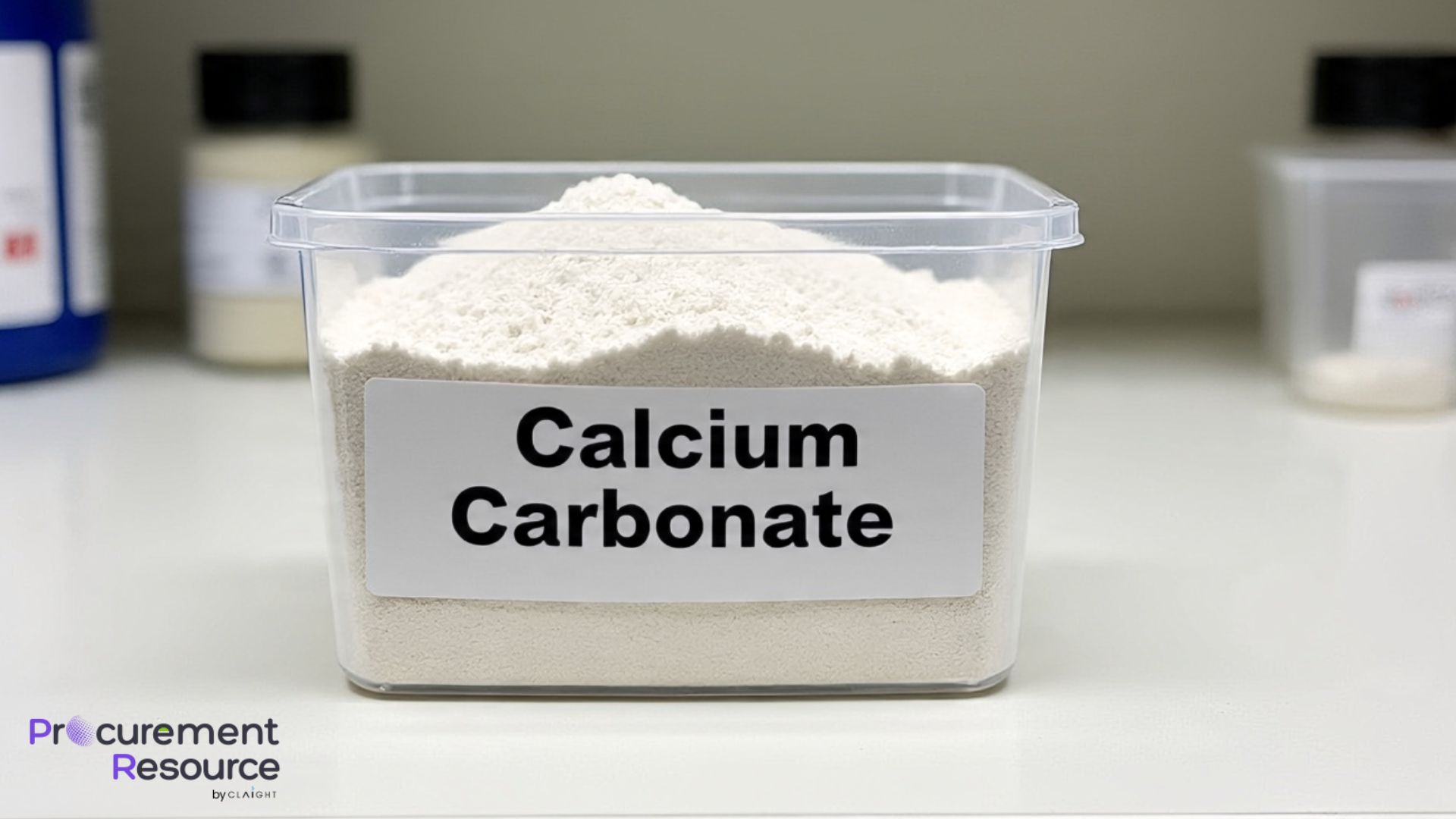
Procurement Resource, a premier provider of procurement intelligence and market research, proudly presents its latest Calcium Carbonate Production Cost Report. This report offers valuable insights into the economics of calcium carbonate production, making it an essential tool for investors, manufacturers, industry analysts, and procurement strategists planning to navigate the evolving calcium carbonate market.
From raw material inputs to capital investment requirements, this in-depth report breaks down every aspect of production—enabling informed decision-making for businesses aiming to enter or expand in this critical chemical sector.
Calcium Carbonate: A Versatile Industrial Mineral
Calcium Carbonate (CaCO₃) is a naturally occurring compound found in rocks like limestone, marble, and chalk. It is one of the most widely used inorganic materials in various industries due to its abundance, low cost, and chemical versatility.
Key Applications:
Paper and Pulp Industry (as filler and coating pigment)
Plastics and Polymers (as a filler and reinforcing agent)
Paints and Coatings
Construction Materials (cement, concrete, tiles)
Agriculture (soil conditioner and animal feed)
Pharmaceuticals (as calcium supplement and antacid)
Given its widespread usage, the global calcium carbonate market continues to grow steadily, driven by demand from manufacturing, infrastructure, and agriculture sectors.
Production Cost Report Overview
The Calcium Carbonate Production Cost Report by Procurement Resource provides a holistic evaluation of production costs across regions and process routes. The report includes:
Raw material and utility costs
Equipment and infrastructure requirements
Process flow and manufacturing technologies
Financial indicators like ROI, payback period, and break-even analysis
Market outlook and regulatory factors
Whether for strategic planning or feasibility analysis, this report delivers detailed intelligence for cost-effective production.
Global Market Overview
Key Producing Countries:
China – Largest producer and consumer of calcium carbonate
India, Vietnam, Malaysia – Key players in ground calcium carbonate (GCC)
United States and Germany – Major markets for precipitated calcium carbonate (PCC)
Market Drivers:
Growth in construction and infrastructure development
Expanding plastics and packaging industry
Technological advancements in coating and filler applications
Rising demand for eco-friendly and lightweight materials
The report provides regional analysis of supply chains, cost variations, and pricing dynamics that influence investment decisions.
Production Methods and Technical Insights
Calcium carbonate is produced primarily through two processes:
1. Ground Calcium Carbonate (GCC) Process:
Source Material: Naturally occurring limestone or marble
Steps:
Extraction: Quarrying of limestone/marble blocks
Crushing & Milling: Coarse and fine grinding into powder
Classification: Particle size control using air classifiers
Surface Treatment (Optional): Modification with stearic acid or other agents for compatibility with polymers
2. Precipitated Calcium Carbonate (PCC) Process:
Source Material: Calcium oxide (CaO) derived from limestone calcination
Steps:
Calcination: Heating of limestone (CaCO₃) to produce quicklime (CaO) CaCO₃ → CaO + CO₂
Hydration: Reacting CaO with water to form calcium hydroxide (Ca(OH)₂)
Carbonation: Bubbling CO₂ through Ca(OH)₂ slurry to form PCC Ca(OH)₂ + CO₂ → CaCO₃ + H₂O
The PCC process allows for better control over particle size and shape, making it suitable for high-end applications such as pharmaceuticals and coated paper.
Cost Structure and Breakdown
1. Raw Material Costs:
Limestone: Inexpensive and widely available for GCC and PCC
Coke/Natural Gas: Used in calcination for PCC
Carbon Dioxide: Recycled from calcination process or externally sourced
Cost variations depend on regional availability, purity, and transportation.
2. Energy and Utilities:
Electricity: Required for crushing, milling, and drying
Fuel: For kiln operation in PCC production
Water: Essential in slurry processing and hydration
Energy-intensive steps like calcination significantly impact operating costs, especially in PCC.
3. Labor and Maintenance:
Operators, maintenance personnel, lab technicians, and safety staff
Equipment wear-and-tear in crushing mills and kilns
Labor costs vary by region and automation level. The report provides comparative data across key countries.
4. Packaging and Logistics:
Bulk packaging in bags, silos, or containers for domestic and export markets
Transport cost depends on proximity to raw material sources and customer locations
Machinery and Infrastructure Requirements
For GCC Plant:
Crushers and ball mills
Air classifiers and cyclone separators
Dust collection systems
Storage silos and bagging stations
For PCC Plant:
Rotary kilns or vertical shaft kilns
Hydration tanks and agitators
CO₂ scrubbers or gas injection systems
Filtration and drying units
The report estimates the capital expenditure (CAPEX) for setting up:
Small-scale plants (5,000–10,000 tons/year)
Medium-scale plants (25,000–50,000 tons/year)
Large-scale integrated plants (100,000+ tons/year)
Manpower Requirements
Personnel needed for plant operations include:
Chemical and process engineers
Machine operators and technicians
Quality control analysts
Health, safety, and environmental (HSE) officers
A detailed breakdown of workforce numbers and wage structures across regions is included in the report.
Quality Control and Compliance
Product Specifications:
Purity (% of CaCO₃)
Moisture content
Particle size distribution (PSD)
Whiteness and brightness levels
Heavy metal limits for pharma/food grades
Standards & Regulations:
ISO 9001 and ISO 14001 compliance
FDA and EU food-grade approvals (for PCC in food/pharma)
Environmental emission norms for dust and CO₂
The report details the cost of compliance, laboratory setup, and certifications required for different markets.
Financial Analysis and Profitability
Capital Investment:
Machinery purchase and installation
Land, construction, and utilities
Licensing and environmental approvals
Operating Costs:
Raw materials: 30–40%
Utilities (electricity, gas, water): 20–30%
Labor: 10–15%
Overheads, depreciation, and maintenance: 10–20%
Profitability Metrics:
Gross margin and net margin
Return on investment (ROI)
Internal rate of return (IRR)
Payback period analysis
The report includes break-even analysis and sensitivity modeling based on energy prices, raw material costs, and market demand.
Sustainability and Future Trends
Green Manufacturing Initiatives:
Carbon capture and reuse in PCC production
Alternative fuels for kiln operations
Recycling waste limestone from construction and mining
Innovation Trends:
Nano calcium carbonate for specialized coatings and biomedical use
Surface-modified calcium carbonate for high-performance plastics
As regulatory and consumer pressure grows for low-carbon products, calcium carbonate manufacturers are exploring circular economy models to reduce environmental impact.
Request Your Free Sample Report Today
For manufacturers, investors, and policy planners, the Calcium Carbonate Production Cost Report is an indispensable guide to understanding the commercial, technical, and financial facets of setting up or optimizing a production facility.
Request a Free Sample Report Here: https://www.procurementresource.com/production-cost-report-store/calcium-carbonate/request-sample
Why Choose Procurement Resource?
Procurement Resource offers unparalleled expertise in industrial production cost assessment. Our global team of researchers provides:
Transparent and accurate cost models
Customized procurement strategy consulting
Real-time market intelligence and trend tracking
Supply chain risk analysis and benchmarking
With access to extensive databases, cutting-edge analytics tools, and years of industry experience, we empower businesses to reduce procurement costs and improve profitability.
Contact Information
Company Name: Procurement Resource
Contact Person: Ashish Sharma (Sales Representative)
Email: [email protected]
Location: 30 North Gould Street, Sheridan, WY 82801, USA
Phone: UK: +44 7537171117 USA: +1 307 363 1045 Asia-Pacific (APAC): +91 1203185500
Connect With Us Online:
https://www.linkedin.com/company/procurement-resource-official/
Comments
Amit Sharma is a Senior SEO Executive at Procurement Resource, passionate about digital marketing, content writing, and SEO strategy. With a B.Sc. in IT.