Cotton Production Cost Analysis Report by Procurement Resource

Aug 13, 2025
5 min read
1 views
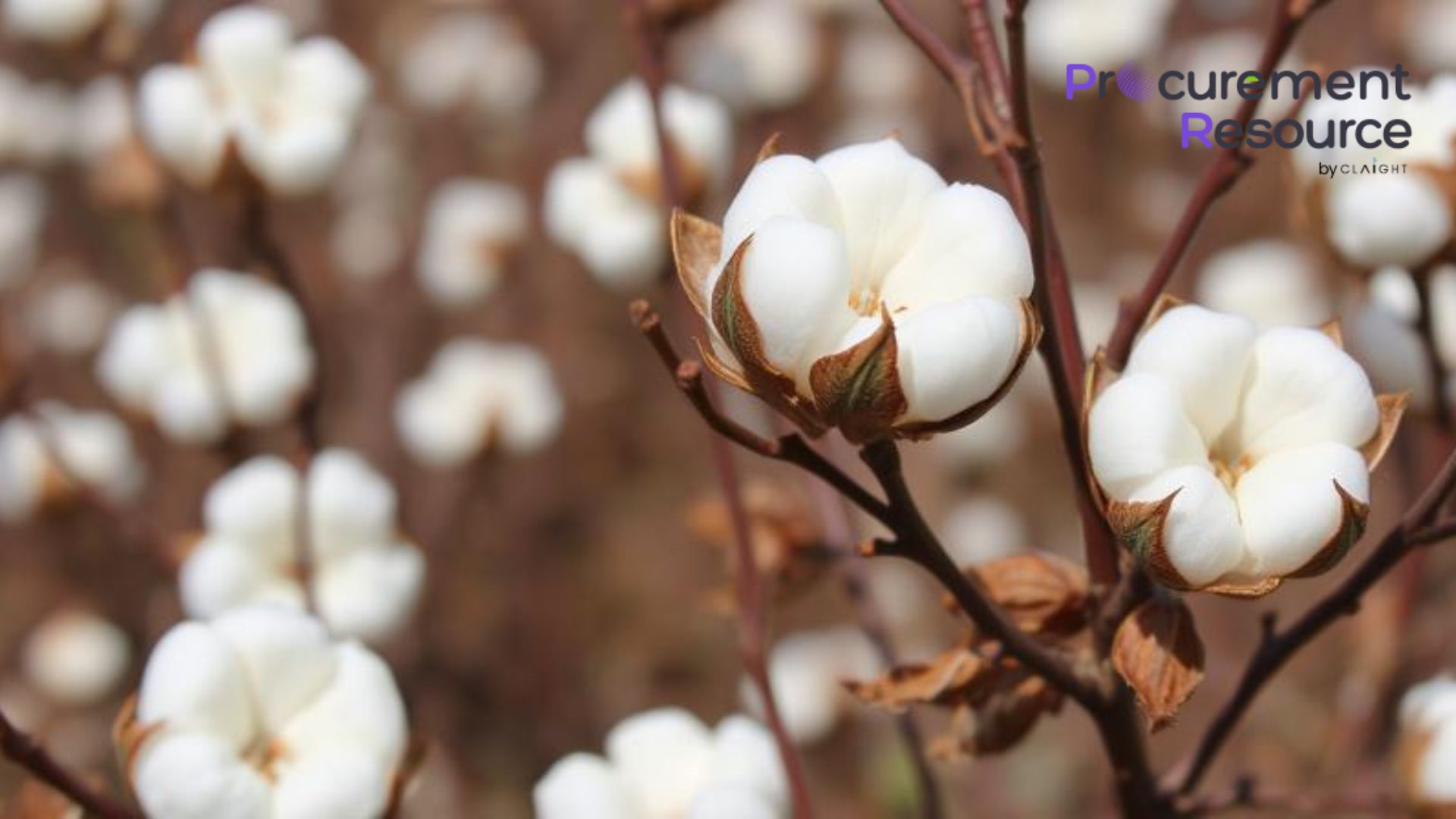
Procurement Resource, a global leader in market research and procurement intelligence, proudly presents its latest Cotton Production Cost Report. This in-depth report provides crucial insights into the economics, production methods, cost structure, and market dynamics of cotton—one of the most fundamental and widely used agricultural commodities in the world.
Whether you are an investor, agribusiness entrepreneur, textile manufacturer, or supply chain professional, this report offers strategic, data-driven insights to support your planning, procurement, and expansion decisions.
Cotton: The Cornerstone of the Textile Industry
Cotton is a soft, fluffy natural fiber that grows around the seeds of cotton plants belonging to the genus Gossypium. Cultivated in more than 70 countries worldwide, cotton plays an essential role in the textile industry, forming the basis for apparel, home furnishings, industrial fabrics, medical supplies, and more.
With its biodegradability, breathability, and versatility, cotton remains unmatched among natural fibers. It supports economies and livelihoods across the agricultural and industrial sectors—particularly in regions like India, China, the United States, Pakistan, Brazil, and Uzbekistan.
Comprehensive Cost Analysis for Cotton Production
The Cotton Production Cost Report by Procurement Resource breaks down the end-to-end cost structure of cotton cultivation, from land preparation and sowing to harvesting and ginning. It also assesses technical requirements, labor inputs, climatic conditions, and market drivers, enabling stakeholders to plan investments with precision.
Raw Material and Input Cost Overview
Cotton production requires a combination of natural resources, agricultural inputs, and machinery. The report evaluates input costs across major cotton-producing regions.
Key Inputs:
Cotton Seeds – Hybrid or genetically modified seeds with pest resistance (e.g., Bt cotton)
Fertilizers – Nitrogen, phosphorus, potassium (NPK), and micronutrients
Pesticides and Herbicides – Protection against bollworm, aphids, and weeds
Irrigation Water – A significant cost factor in arid and semi-arid zones
Labor and Machinery – For land preparation, sowing, weeding, spraying, and harvesting
Diesel and Electricity – For tractors, sprayers, and pump sets
The report provides region-wise input cost comparisons, covering variations in pricing due to local regulations, subsidies, and weather-dependent irrigation needs.
Cotton Cultivation Process: Step-by-Step Analysis
The production process for raw cotton involves several stages, each contributing to the overall cost and yield:
1. Land Preparation:
Plowing, leveling, and soil treatment are carried out to ensure optimal seed germination and root development.
2. Sowing:
Seeds are planted in rows using precision seed drills or manual labor, depending on the scale of the farm.
3. Crop Management:
This stage includes:
Irrigation scheduling
Fertilizer application
Pest and disease control
Weed management
4. Flowering and Boll Formation:
Effective nutrient management is critical at this stage to ensure high boll retention and fiber quality.
5. Harvesting:
Cotton is harvested manually or mechanically, depending on regional practices. Labor cost is a major component in countries with limited mechanization.
6. Post-Harvest Processing:
Harvested cotton is sent for ginning, where lint is separated from the seeds. This stage is key for determining the ginning outturn (GOT) and fiber quality.
The report provides a yield and output analysis, helping estimate production per hectare and total usable cotton fiber.
Machinery and Infrastructure Requirements
Cotton production varies by region depending on the level of mechanization. The report outlines requirements for:
Traditional (labor-intensive) farms
Semi-mechanized farms
Fully mechanized commercial farms
Key Equipment:
Tractors, seed drills, and tillers
Boom sprayers for pest control
Harvesters and pickers
Irrigation systems (drip, flood, or pivot)
Ginning machinery (for post-harvest operations)
The report estimates capital costs for equipment, maintenance requirements, and availability across different cotton-growing zones.
Utility and Environmental Factors
1. Water Usage:
Cotton is known for its high water footprint, especially in regions dependent on irrigation. Efficient water management systems such as drip irrigation can reduce costs and improve sustainability.
2. Energy Requirements:
Diesel for tractors and pumps, and electricity for ginning machinery, contribute to production costs.
3. Climate Dependence:
Cotton requires warm climates with long frost-free periods. Crop health is highly sensitive to temperature fluctuations, droughts, or excessive rains—making climate risk management an important consideration.
The report compares utility costs and water stress levels in key cotton-growing countries.
Labor Requirements and Cost Analysis
In many cotton-producing regions, especially in Asia and Africa, labor constitutes a large portion of production costs. Activities such as:
Manual sowing
Weeding and pest control
Harvesting and boll collection
Transport to ginning units
are labor-intensive. The report provides region-specific wage benchmarks and examines mechanization feasibility as a cost-reduction strategy.
Capital Investment and Operating Expenses
Capital Investment (CAPEX):
Land acquisition or leasing
Machinery and equipment
Irrigation infrastructure
Storage and transport facilities
Operating Costs (OPEX):
Seeds, fertilizers, and pesticides
Irrigation and energy costs
Labor wages
Ginning and transportation
Crop insurance and regulatory compliance
The report presents scalable financial models for smallholder farms, cooperatives, and large agribusiness operations.
Market Outlook and Price Trends
Cotton pricing is influenced by:
Global demand from textile mills
Weather patterns and harvest volumes
Government policies, support prices, and trade tariffs
Substitutes such as synthetic fibers (e.g., polyester)
Major Producers and Exporters:
India: World’s largest cotton producer, with a mix of rain-fed and irrigated farming
China: Major consumer and importer for textile manufacturing
United States: A leading exporter of high-quality cotton
Pakistan and Brazil: Growing contributors to global supply
The report includes regional and international cotton price forecasts, offering stakeholders guidance on timing, procurement, and exports.
Sustainability and Organic Cotton Trends
The cotton industry is undergoing a transformation toward eco-friendly and sustainable farming practices:
Organic cotton: Free from synthetic pesticides and GMOs
Better Cotton Initiative (BCI): Promotes responsible production standards
Regenerative agriculture: Focused on soil health and biodiversity
These practices are reshaping cost dynamics and consumer preferences, especially in European and North American textile markets.
The report evaluates green farming incentives, certification costs, and long-term ROI of sustainable cotton production.
Financial Assessment and Profitability Metrics
The Cotton Production Cost Report includes:
Gross margin estimates
Per hectare profitability
Break-even analysis
ROI and payback period forecasts
Scenario analysis for high- and low-yield seasons
This helps investors and farm owners make data-informed decisions on land use, crop planning, and capital allocation.
Request a Free Sample Report
Explore cost-effective and sustainable cotton production strategies with Procurement Resource’s Cotton Production Cost Report.
Request a Free Sample Now: https://www.procurementresource.com/production-cost-report-store/cotton/request-sample
Why Choose Procurement Resource?
Procurement Resource provides unmatched insights into cost structures, market trends, and production technologies across the agriculture, textile, and commodity sectors. With our tailored reports, clients gain:
Comprehensive cost modeling
Region-specific procurement intelligence
Supply chain benchmarking
Investment and feasibility analysis
Our seasoned analysts ensure that every report is actionable, accurate, and tailored to the evolving needs of global businesses.
Contact Information
Company Name: Procurement Resource
Contact Person: Ashish Sharma (Sales Representative)
Email: [email protected]
Location: 30 North Gould Street, Sheridan, WY 82801, USA
Phone: UK: +44 7537171117 USA: +1 307 363 1045 Asia-Pacific (APAC): +91 1203185500
Connect With Us Online:
https://www.linkedin.com/company/procurement-resource-official/
Comments
Amit Sharma is a Senior SEO Executive at Procurement Resource, passionate about digital marketing, content writing, and SEO strategy. With a B.Sc. in IT.