How Advanced Manufacturing Standards Are Redefining High-Performance Metal Production

Dec 12, 2025
4 min read
1 views
The manufacturing landscape is changing faster than ever, shaped by higher performance demands, digital production environments, and the need for components that can endure real-world industrial conditions. As companies across aerospace, energy, automotive, and defense push toward lighter, stronger, and longer-lasting parts, the role of advanced manufacturing standards has become essential. FormAlloy is among the organizations driving this evolution by integrating leading-edge engineering methods with rigorous quality frameworks that ensure consistency and reliability at every stage.
Modern manufacturers are no longer focused solely on traditional methods. Instead, they are adopting digital workflows, intelligent material systems, and adaptive fabrication tools that unlock new possibilities for precision metal production. A major contributor to this shift is metal additive manufacturing, which provides new design freedom, optimized material consumption, and the ability to produce complex structures that conventional machining cannot achieve. When combined with strong quality oversight, this capability sets a new benchmark for modern fabrication standards.
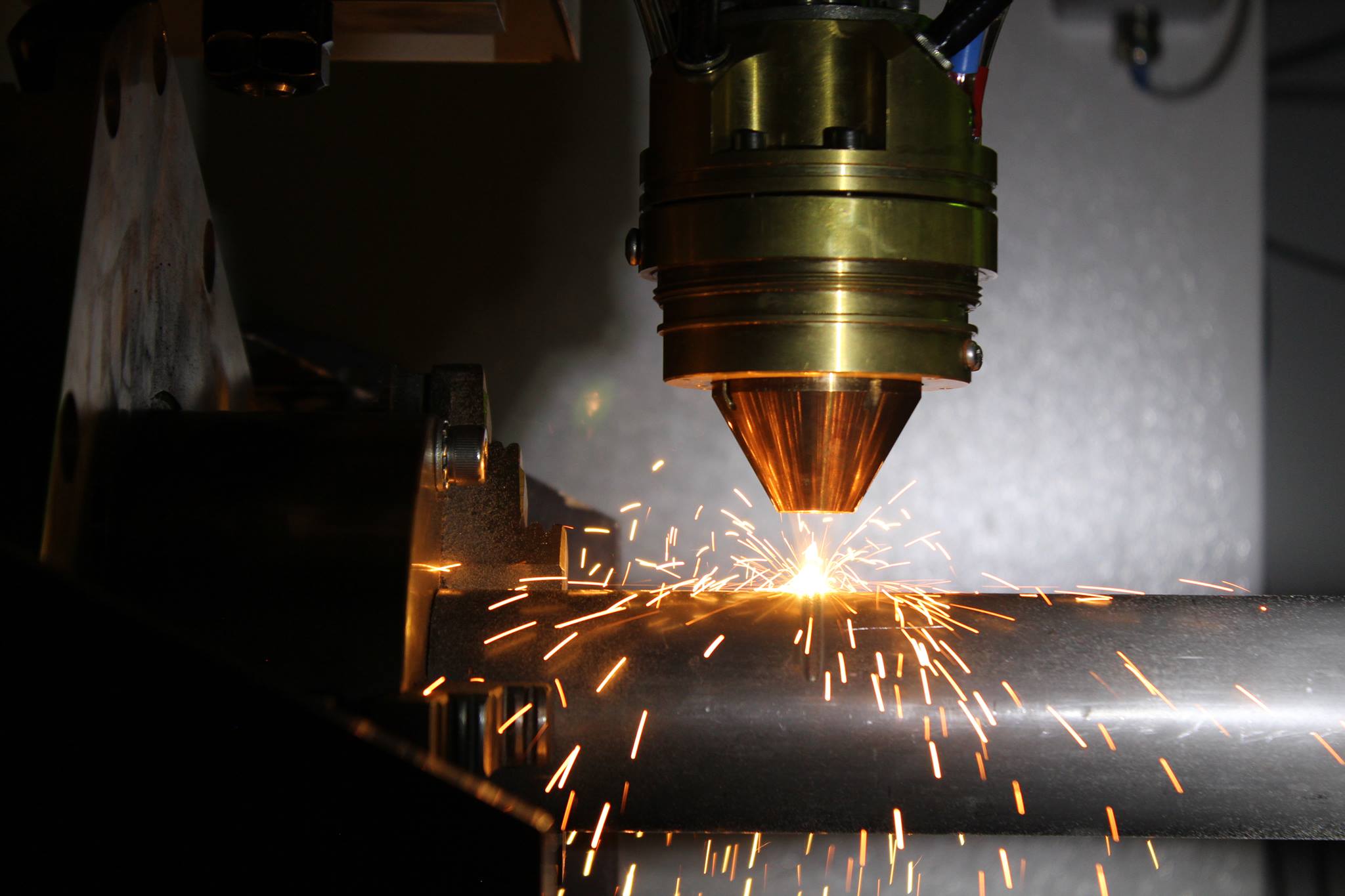
Raising Material Integrity Through High-Precision Processes
As industries demand more durable and lightweight components, the need for highly controlled deposition and structural accuracy becomes unavoidable. One technology supporting this shift is directed energy deposition, valued for producing high-density metal parts while maintaining strict integrity requirements. This method enables manufacturers to repair critical components, produce near-net-shape structures, and manage heat input with exceptional control. When executed under rigorous inspection and certification workflows, it becomes an essential part of next-generation manufacturing compliance.
In parallel, new material frameworks driven by advancements in Metallic tech are strengthening how engineered components are designed, tested, and validated. These innovations support extreme-performance alloys, improved microstructural control, and advanced digital simulation, ensuring that every produced part speaks to the evolving standards of reliability and repeatability.
Digital Fabrication Tools Built for Industrial Precision
One major advantage in modern production environments is the integration of digital fabrication systems that enable rapid prototyping, accelerated design cycles, and on-demand component creation. Tools such as a printing metal 3d printer allow engineers to validate concepts quickly without compromising structural strength or metallurgical quality. When supported by industrial material controls and standardized calibration protocols, these systems contribute significantly to improved production readiness.
Alongside prototyping, certain applications require solutions designed for part restoration, surface strengthening, or geometry reconstruction. In these cases, workflows based on DED manufacturing offer increased efficiency and reduced operational costs. They also minimize material waste and add measurable value to low-volume and high-precision applications, especially when organizations implement robust traceability systems to ensure every part meets its intended performance criteria.
Consistency Through Next-Generation Production Workflows
Quality is not an isolated activity; it is a continuous cycle of validation, feedback, and refinement. As more manufacturers adopt hybrid processes, advanced monitoring practices become central to maintaining safe, repeatable, and compliant production. An example is the integration of DED additive manufacturing, which supports advanced surface engineering, controlled metallurgical transitions, and highly targeted material placement. When aligned with industry standards, this approach helps companies maintain long-term durability and performance across critical parts.
Equally important is the framework of collaboration between engineering teams, research partners, and industrial clients. Strong communication, transparent inspection records, and systematic process development form the backbone of reliable manufacturing operations. Manufacturers who prioritize this approach consistently outperform competitors in both production agility and component quality.
Commitment to Excellence in Manufacturing Standards
The future of manufacturing will rely heavily on organizations that uphold strict standards while continuing to innovate. This includes:
Material validation at every production stage
Documented process controls
Real-time monitoring and non-destructive evaluation
Repeatability testing and long-term lifecycle analysis
Integration of digital production workflows
Sustainable material usage and waste reduction
These elements ensure manufacturers deliver components that meet the growing expectations of modern engineering—from lighter aerospace structures to next-generation propulsion components to advanced energy systems.
Conclusion
High-performance manufacturing is not defined by speed alone; it is defined by precision, consistency, and long-term reliability. Companies embracing advanced technologies, rigorous quality frameworks, and cutting-edge production methods are establishing a foundation for the future of industrial fabrication. By maintaining strict manufacturing standards while continuously refining technical capabilities, leaders in the field ensure that the next generation of engineered components meets the demands of a rapidly advancing world.
Comments
Saif Rehman is a digital strategist and the driving force behind Tower 25, a leading PPC agency in Los Angeles.