As We Speak: How to Make Your Point And Have It Stick
Transcript
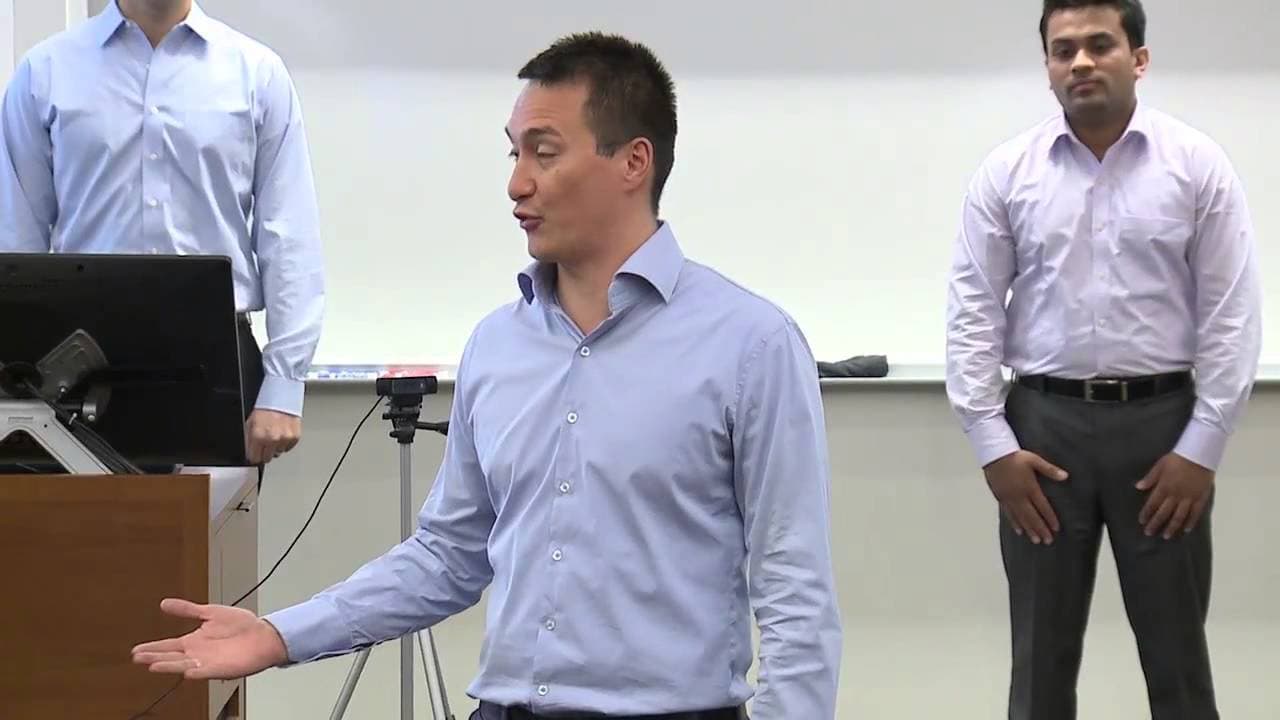
[MUSIC] >> Seven, that's the number. Seven seconds, that's how long it takes for your audience to decide, whether they're gonna pay attention. Now that I hopefully have your attention, we're gonna talk about the book as we speak. Our presentation today will follow the classic narrative structure. It'll have a beginning, a middle and an end. To begi... Read More
Install to Summarize YouTube Videos and Get Transcripts
Explore YouTube Video Summarizer or Get YouTube Transcript Extractor
Summary
This video discusses the importance of effective communication and provides tips on how to improve content, delivery, and state. It emphasizes the need to focus on preparing relevant and impactful content, utilizing storytelling and active plain language techniques. It also highlights the significance of delivery, including vocal variety, posture, movement, and facial expressions. Furthermore, it suggests controlling one's body, focusing on positive thoughts, and questioning and changing limiting beliefs to maintain a confident state while presenting.
Questions & Answers
Q: How can we master the content for high performance communication?
To master content, one should focus on three aspects: preparation, architecture, and technique. For preparation, consider what you want the audience to do (the outcome), why they should care (relevance), and what the main message is (the point). The architecture of a presentation should have a strong beginning to engage the audience and leave a lasting impact, as well as a powerful ending that evokes the necessary emotions for action. Finally, technique plays a significant role, particularly through storytelling, utilizing metaphors to create visual images, and employing active plain language instead of complex jargon. These techniques ensure that the content is engaging and memorable for the audience.
Q: What are the key elements of delivery that contribute to effective communication?
Delivery is an art of expression that involves using three instruments: voice, posture and movement, and face and eyes. The voice has the power to reveal unspoken emotions, and it can be crafted by focusing on breath and vocal variety. Tempo, silence, volume, and using simple words can enhance vocal delivery. When it comes to posture and movement, it is essential to be congruent with the message being delivered and avoid fear-based movements such as fig-leaf poses or appearing disinterested. Instead, adopt a heroic neutral position and lean forward as if presenting a gift to the audience. The face and eyes also play a crucial role in delivering a colorful message, as they are the most important things a presenter wears. Maintaining a smile, making eye contact, and avoiding excessive scanning help engage the audience effectively.
Q: How can one control their state and why is it important in communication?
State refers to the condition one is in when starting a presentation. There are three aspects of state that need to be controlled: body, mind's eye, and beliefs. Body movement, breathing, and facial expressions significantly contribute to state. Developing a habit of analyzing the desired emotional state before a presentation and associating specific actions with it, such as taking a deep breath and straightening the shoulders, helps jump-start the body into presentation mode. The mind's eye refers to what one is thinking about during a presentation. By being aware that the mind tends to wander towards negative thoughts, it is crucial to ask different, positive questions instead of getting caught in self-doubt. Lastly, beliefs act as lenses through which presenters perceive the world. Challenging and replacing limiting beliefs with positive ones can greatly impact confidence and success in presentations.
Q: How can the "three triangles" help ensure successful presentations?
The "three triangles" framework consists of content, delivery, and state. By focusing on these three elements, one can improve their overall communication effectiveness. Under content, preparation, architecture, and technique are highlighted to ensure that the message is relevant, engaging, and impactful. Delivery involves utilizing voice, posture and movement, and face and eyes to effectively express the message. State refers to the presenter's body, mind's eye, and beliefs, all of which should be managed to maintain a confident and positive state. By consciously addressing and improving these aspects, presenters can deliver successful presentations that engage and resonate with their audiences.
Q: Which triangle from the "three triangles" framework do people find most challenging to perfect?
The triangle that individuals might find most difficult to perfect may vary depending on personal preferences and strengths/weaknesses. Some may struggle more with content preparation, ensuring relevance and engaging messages. Others may find it challenging to master delivery techniques, such as controlling voice, posture, and facial expressions. Additionally, some presenters may face difficulties in managing their state, including body language, focusing on positive thoughts, and challenging and changing limiting beliefs. Identifying one's individual areas of improvement and practicing consciously in those areas can help overcome the challenges associated with different triangles of the framework.
Takeaways
In summary, achieving high-performance communication requires a focus on three key aspects: content, delivery, and state. Content preparation should emphasize relevance and engagement, utilizing techniques like storytelling and active plain language. Delivery involves utilizing voice, posture and movement, and face and eyes effectively to express the message. State management, including controlling body language, focusing on positive thoughts, and developing empowering beliefs, is crucial for success. By mastering these three triangles, presenters can create successful and engaging presentations that leave a lasting impact on their audience.
Read in Other Languages (beta)
Share This Summary 📚
Summarize YouTube Videos and Get Video Transcripts with 1-Click
Try YouTube Summary with ChatGPT & Claude or YouTube Transcript Generator
Explore More Summaries from Stanford Graduate School of Business 📚


Summarize YouTube Videos and Get Video Transcripts with 1-Click
Try YouTube Summary with ChatGPT & Claude or YouTube Transcript Generator