How to Manage a Multigenerational Workforce Effectively
TL;DR
Managing a multigenerational workforce requires understanding the unique needs and strengths of different age groups. Baby Boomers value hard work and loyalty, while Gen Z is tech-savvy but faces challenges like anxiety from social media. Effective leaders must facilitate communication across generations to harness institutional knowledge and drive innovation.
Transcript
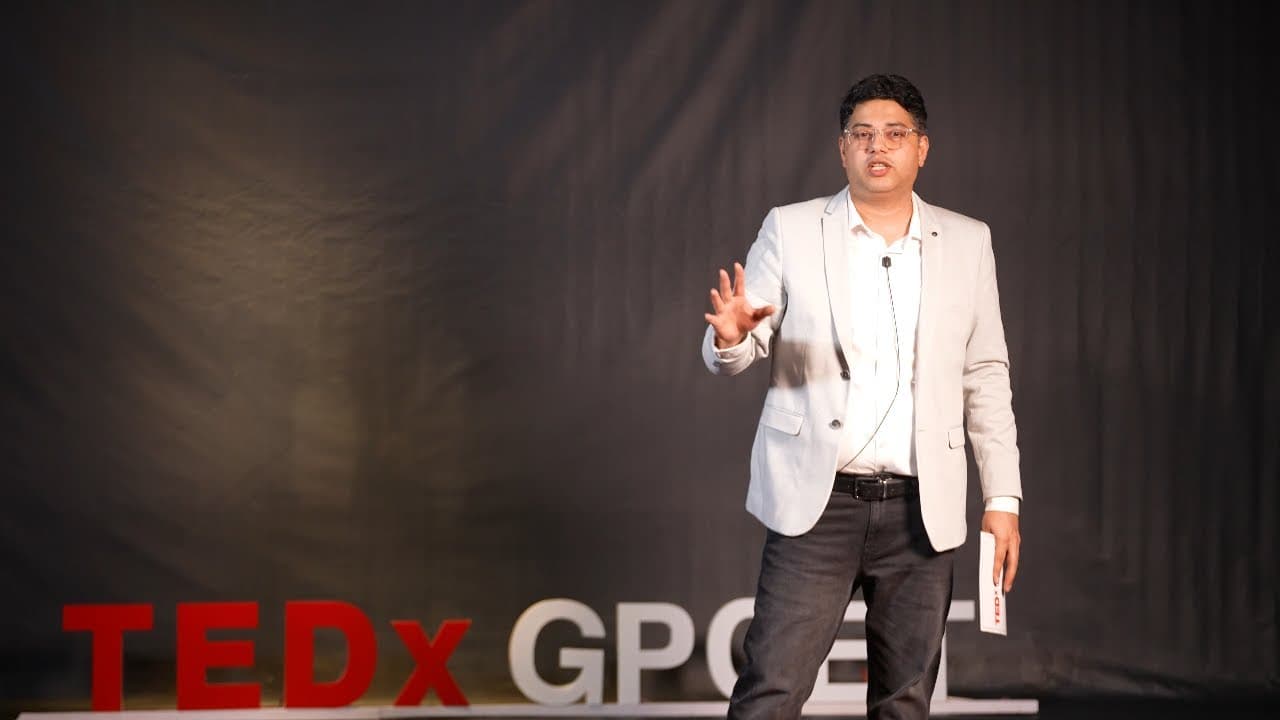
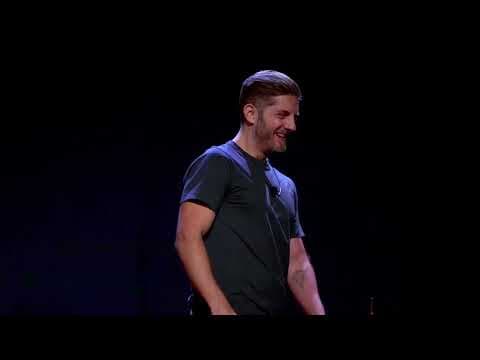
thank you very much guys give me a shout if you can hear me yeah perfect and I can see a perfectly dark room so I'm going to assume all of you are with me from the start uh very good evening everyone uh my name is Vijay Ganesh I have 15 years of experience in HR uh I've worked with multiple startups scaling them from 0 to one have had magnificent J... Read More
Key Insights
- Recruitment is crucial for building organizational culture by hiring the right people.
- A multigenerational workforce includes Baby Boomers, Gen X, Millennials, and Gen Z.
- Baby Boomers value hard work, loyalty, and longevity, offering institutional knowledge.
- Gen Z is tech-savvy but faces anxiety and depression from social media pressures.
- Effective communication is key to bridging generational gaps in the workplace.
- Leaders must see employees as individuals and facilitate intergenerational communication.
- Gen Z's impatience stems from growing up with instant gratification through technology.
- Continuous learning and self-awareness are essential for long-term career success.
Install to Summarize YouTube Videos and Get Transcripts
Explore YouTube Video Summarizer or Get YouTube Transcript Extractor
Questions & Answers
Q: How to bridge the gap between Baby Boomers and Gen Z in the workplace?
Bridging the gap between Baby Boomers and Gen Z requires understanding their unique values and communication preferences. Baby Boomers value hard work and loyalty, offering institutional knowledge, while Gen Z is tech-savvy but faces social media-induced anxiety. Effective communication, facilitated by leaders, can help integrate these generations, leveraging their strengths for organizational success.
Q: What challenges does Gen Z face in the workforce?
Gen Z faces challenges such as anxiety and depression, partly due to the pressures of social media. Growing up with technology, they experience instant gratification, leading to impatience and high aspirations. These challenges require guidance and support from leaders to help Gen Z navigate their careers while maintaining realistic expectations and continuous learning.
Q: Why is recruitment important for organizational culture?
Recruitment is vital for shaping organizational culture as it involves selecting individuals who align with the company's values and goals. Hiring the right people fosters a cohesive work environment, enabling the development of a strong culture that supports collaboration and innovation. Effective recruitment ensures that diverse generational perspectives are integrated into the organization.
Q: How does technology influence Gen Z's work behavior?
Technology significantly influences Gen Z's work behavior, as they are the first generation to grow up with smartphones and digital communication. This tech-savviness allows them to adapt quickly to digital tools, but also contributes to impatience and high expectations for rapid success. Understanding technology's impact on Gen Z can help organizations tailor strategies to engage and retain this workforce.
Q: What role do leaders play in a multigenerational workforce?
Leaders play a crucial role in facilitating communication and understanding across generations in the workplace. They must recognize the unique strengths and preferences of each generation, fostering an environment where diverse perspectives are valued. By promoting continuous learning and collaboration, leaders can harness the collective potential of a multigenerational workforce to drive organizational success.
Q: Why is continuous learning important for career success?
Continuous learning is essential for career success as it enables individuals to adapt to changing industry trends and technologies. It fosters personal and professional growth, helping employees develop new skills and improve existing ones. This commitment to learning is crucial for long-term success, as demonstrated by successful entrepreneurs who have invested time and effort in skill development.
Q: How can organizations leverage the strengths of different generations?
Organizations can leverage the strengths of different generations by creating an inclusive environment that values diverse perspectives. By understanding the unique skills and preferences of each generation, such as Baby Boomers' experience and Gen Z's tech-savviness, organizations can foster collaboration and innovation. Effective communication and leadership are key to integrating these strengths for organizational success.
Q: What are the key values of Baby Boomers in the workplace?
Baby Boomers in the workplace value hard work, loyalty, and longevity. They bring extensive experience and institutional knowledge, having often dedicated many years to a single organization. These values contribute to a strong work ethic and a commitment to organizational goals, making Baby Boomers valuable assets in a multigenerational workforce.
Summary & Key Takeaways
-
Recruitment plays a pivotal role in shaping an organization's culture, especially in a multigenerational workforce. Baby Boomers bring institutional knowledge, valuing hard work and loyalty, while Gen Z offers tech-savviness but struggles with social media-induced anxiety. Bridging these generational gaps requires effective communication and leadership that values individual differences.
-
Leaders must facilitate communication across generations, recognizing that each group has unique preferences and strengths. Baby Boomers prefer face-to-face interactions, while Gen Z is comfortable with digital communication. By understanding these differences, organizations can harness the collective strengths of all generations to drive innovation and success.
-
Gen Z's impatience is influenced by the instant gratification culture of technology, leading to high aspirations like becoming a CEO quickly. Leaders should encourage this ambition while guiding realistic expectations. Continuous learning and self-awareness are crucial for achieving long-term success, as demonstrated by successful entrepreneurs who have invested time and effort in developing their skills.
Read in Other Languages (beta)
Share This Summary 📚
Summarize YouTube Videos and Get Video Transcripts with 1-Click
Try YouTube Summary with ChatGPT & Claude or YouTube Transcript Generator
Explore More Summaries from TEDx Talks 📚

Summarize YouTube Videos and Get Video Transcripts with 1-Click
Try YouTube Summary with ChatGPT & Claude or YouTube Transcript Generator