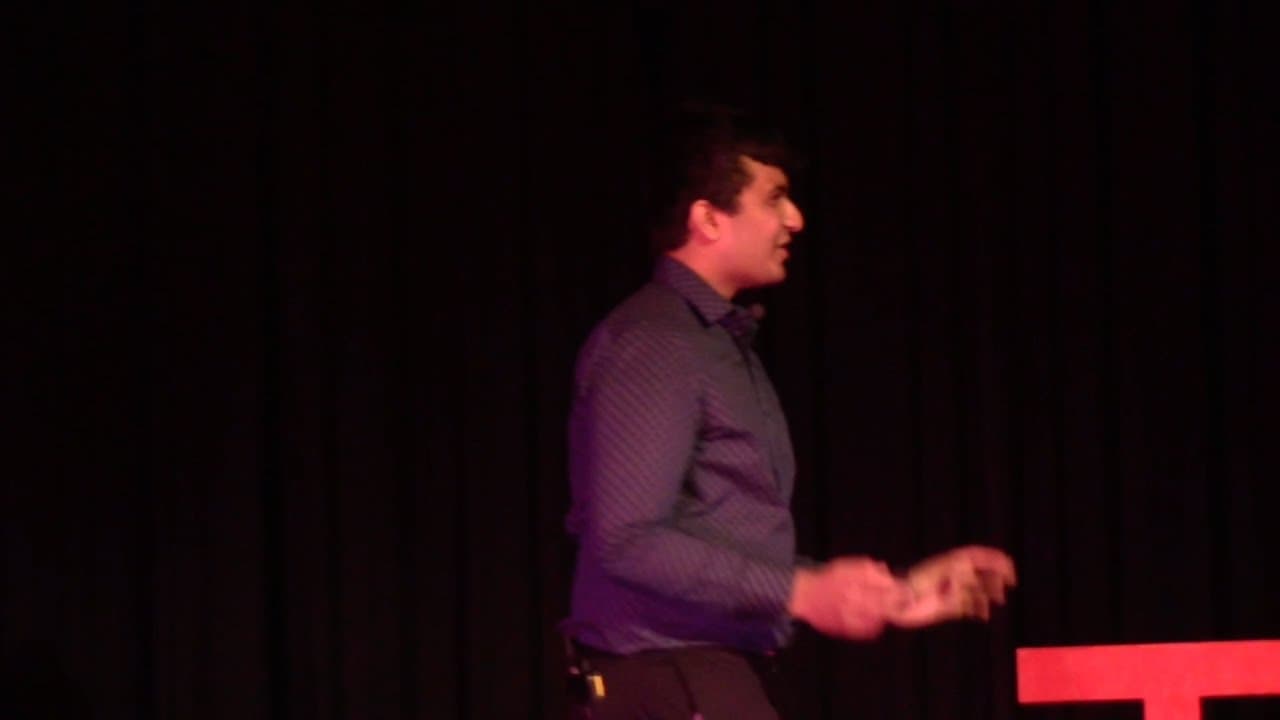
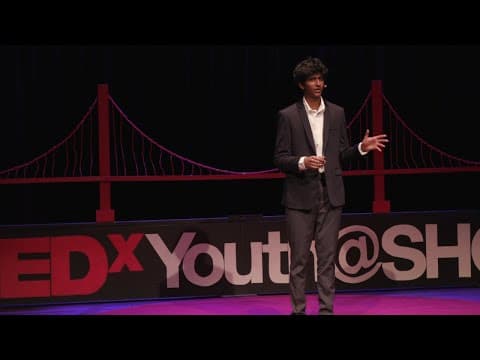
Vilifying Ideological Opponents | Joti Gokaraju | TEDxYouth@WalterMurrayCollegiate
TL;DR
Cancel culture has gone too far, replacing accountability with retribution and demonization, leading to the rise of hate speech and violence.
Transcript
thank you when I wanted to be a speaker at this event I knew I had to talk about Council culture partially it was because I think it's dangerous and ruining our society but if I'm being really honest it was because a lot of my friends like to say a lot of really crazy things and I need to take this time to prove to you that you shouldn't cancel the... Read More
Key Insights
- 😨 Cancel culture has created a climate of fear, even in local events, indicating the pervasive influence it has in society.
- ❓ The concept of accountability has shifted towards punishment and vilification, rather than fostering reconciliation and growth.
- 🥺 Cancel culture often targets ordinary civilians, using aggressive tactics reserved for extreme cases, leading to severe consequences like job loss.
- 🫥 The desire to fight for justice often drives cancel culture participants, but the confusion between genuine cases and minor actions blurs the line.
- 🥺 Cancel culture fosters an environment of demonization, where individuals are labeled solely based on their opinions, leading to cyberbullying and personal attacks.
- 👊 The case of Kevin Hart exemplifies how cancel culture can go too far, resulting in excessive and relentless attacks against individuals.
- ❓ Progress in society is hindered by cancel culture as it discourages genuine reflection and apology, instead fostering a sense of victimhood.
Install to Summarize YouTube Videos and Get Transcripts
Explore YouTube Video Summarizer or Get YouTube Transcript Extractor
Questions & Answers
Q: What is the difference between accountability and cancelation?
Accountability involves holding someone responsible, asking for an apology, and promoting reconciliation. Cancelation, on the other hand, focuses on punishment, vilification, and often leads to severe consequences like job loss or social isolation.
Q: Why do people participate in cancel culture?
Many people engage in cancel culture with the intention to fight against racism and discrimination. However, the confusion between genuine cases of injustice and poorly timed jokes leads to a blanket approach, treating everything the same and resorting to illiberal means.
Q: How does cancel culture contribute to hate speech and violence?
Cancel culture fuels a sense of victimhood and isolation, driving individuals to entrench themselves in their own positions rather than promoting progress through accountability. This leads to real physical violence and the rise of hate speech and discrimination globally.
Q: What can individuals do to address this issue?
Firstly, individuals should avoid buying into mob mentality and take the time to do their own research before participating in cancel culture. Secondly, promoting kindness, empathy, and rejecting hate can help combat the negative effects of cancel culture.
Summary & Key Takeaways
-
Cancel culture has permeated society, causing fear and concern even in local events like a TEDx talk.
-
Accountability should involve reconciliation and forgiveness, but cancel culture has shifted towards punishment and vilification.
-
Cancel culture has become vengeful and fueled by a desire to fight injustice, but it often targets ordinary civilians rather than extreme cases.
Read in Other Languages (beta)
Share This Summary 📚
Summarize YouTube Videos and Get Video Transcripts with 1-Click
Try YouTube Summary with ChatGPT & Claude or YouTube Transcript Generator
Explore More Summaries from TEDx Talks 📚

Summarize YouTube Videos and Get Video Transcripts with 1-Click
Try YouTube Summary with ChatGPT & Claude or YouTube Transcript Generator