How to Use Creative Writing for Personal Transformation
TL;DR
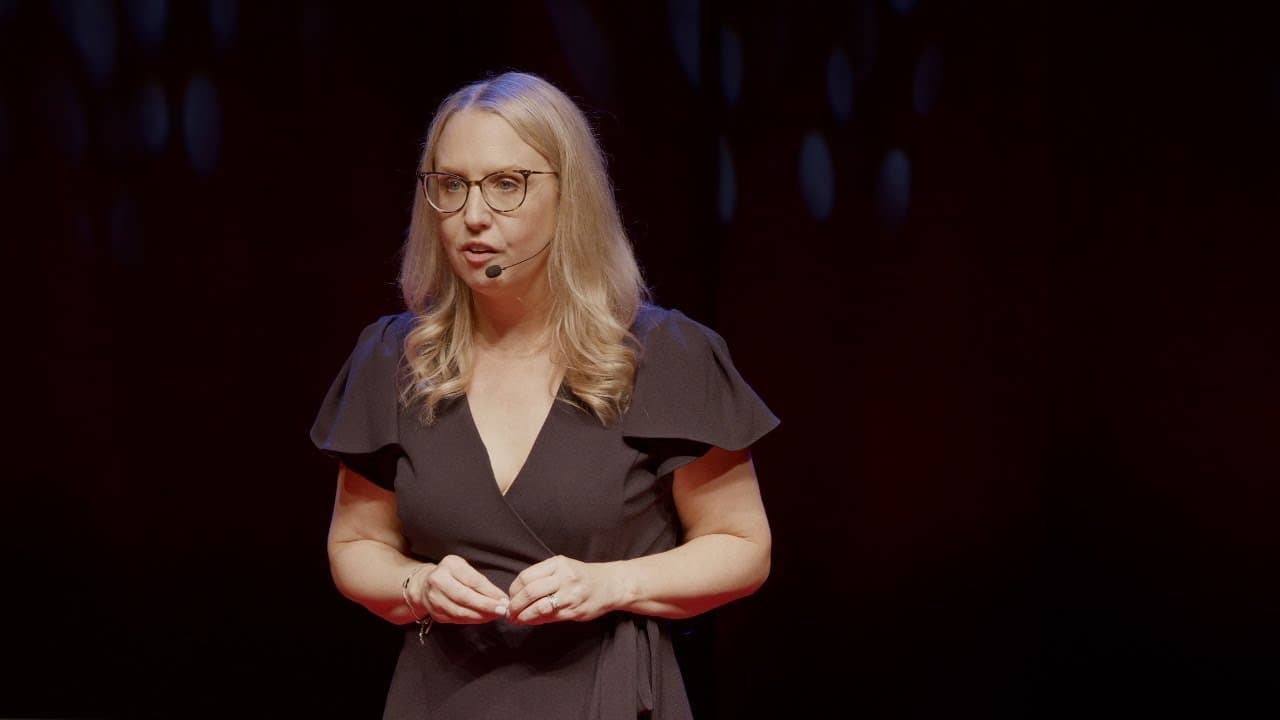
Creative writing is a powerful tool for personal transformation and healing. By writing down thoughts and emotions, individuals can process and manage their feelings, reducing stress and anxiety. Writing can be both a refuge and a means of escape, allowing people to express themselves, confront fears, and connect with others.
Transcript
what are you most ashamed of take a minute think about the source of your greatest shame and then write it down dig deep spare no detail and then be ready to read it aloud to the room now if you're thinking what on Earth have I gotten myself into and how do I get out of here then you understand how I felt in my first creative writing Workshop right... Read More
Key Insights
- Creative writing is a tool for personal transformation and healing.
- Writing allows individuals to process thoughts and emotions, reducing stress.
- Writing can be both a refuge and a means of escape from reality.
- Expressing oneself through writing can confront fears and reduce anxiety.
- Writing doesn't need to be about pain to be therapeutic.
- Naming thoughts and emotions through writing weakens their power.
- Creative writing fosters community and connection among individuals.
- Young voices, especially from marginalized groups, need to be heard through writing.
Install to Summarize YouTube Videos and Get Transcripts
Explore YouTube Video Summarizer or Get YouTube Transcript Extractor
Questions & Answers
Q: How does creative writing help in personal transformation?
Creative writing aids personal transformation by allowing individuals to process their thoughts and emotions. By writing down their feelings, people can reduce stress and anxiety, confront fears, and gain a deeper understanding of themselves. This process can lead to healing and personal growth, making writing a powerful tool for transformation.
Q: Why is writing considered a therapeutic tool?
Writing is considered therapeutic because it provides a means to express and process emotions, thoughts, and experiences. By putting feelings into words, individuals can gain clarity, reduce stress, and manage anxiety. This process helps in unburdening the mind, leading to emotional relief and personal healing.
Q: What is the role of community in creative writing?
Community plays a crucial role in creative writing by fostering a supportive environment where individuals can share their stories and ideas. This sense of community encourages openness, vulnerability, and connection among writers, helping them feel understood and less isolated. It also provides a platform for diverse voices to be heard and appreciated.
Q: How can writing be both an escape and a form of expression?
Writing serves as an escape by allowing individuals to create alternate realities and explore imaginative worlds. At the same time, it is a form of expression, enabling people to articulate their thoughts, emotions, and experiences. This duality makes writing a versatile tool for both escapism and self-reflection.
Q: What is the significance of naming thoughts and emotions in writing?
Naming thoughts and emotions in writing is significant because it diminishes their power, making them more manageable. By labeling feelings, individuals can gain control over their emotional responses, reducing stress and anxiety. This practice, known as affect labeling, helps in emotional regulation and promotes mental well-being.
Q: Why is it important for young and marginalized voices to be heard in writing?
It is important for young and marginalized voices to be heard in writing because it empowers them to share their unique perspectives and stories. This visibility fosters understanding, challenges stereotypes, and promotes social change. Writing provides a platform for these voices to express themselves, be recognized, and influence the broader narrative.
Q: How can writing joyful stories be healing?
Writing joyful stories can be healing by providing a sense of relief and making heavy emotions feel lighter. Joyful narratives offer an escape from reality, allowing individuals to focus on positive experiences and emotions. This shift in perspective can enhance mood, reduce stress, and contribute to overall well-being.
Q: What is the impact of writing on emotional regulation?
Writing impacts emotional regulation by providing a structured way to articulate and process emotions. This practice helps individuals understand and manage their feelings, reducing the intensity of negative emotions. By verbalizing experiences, writing facilitates emotional clarity and resilience, leading to improved coping mechanisms and mental health.
Summary & Key Takeaways
-
Creative writing serves as a transformative practice that helps individuals process and manage their emotions. By putting thoughts and feelings into words, people can reduce stress and anxiety, making writing a therapeutic tool. It provides a space for self-expression without the need for the content to be painful or serious.
-
Writing has the power to connect individuals and foster a sense of community. It allows people to share their stories, confront fears, and express their true selves. This practice is particularly valuable for young voices, especially those from marginalized communities, as it empowers them to be heard and understood.
-
The act of writing, whether for oneself or others, carries enormous power. It can bring about personal transformation, offer solace, and even inspire change in the world. Writing joyful and imaginative stories can also be healing, making the heavy stuff feel lighter and providing a sense of relief.
Read in Other Languages (beta)
Share This Summary 📚
Summarize YouTube Videos and Get Video Transcripts with 1-Click
Try YouTube Summary with ChatGPT & Claude or YouTube Transcript Generator
Explore More Summaries from TEDx Talks 📚





Summarize YouTube Videos and Get Video Transcripts with 1-Click
Try YouTube Summary with ChatGPT & Claude or YouTube Transcript Generator