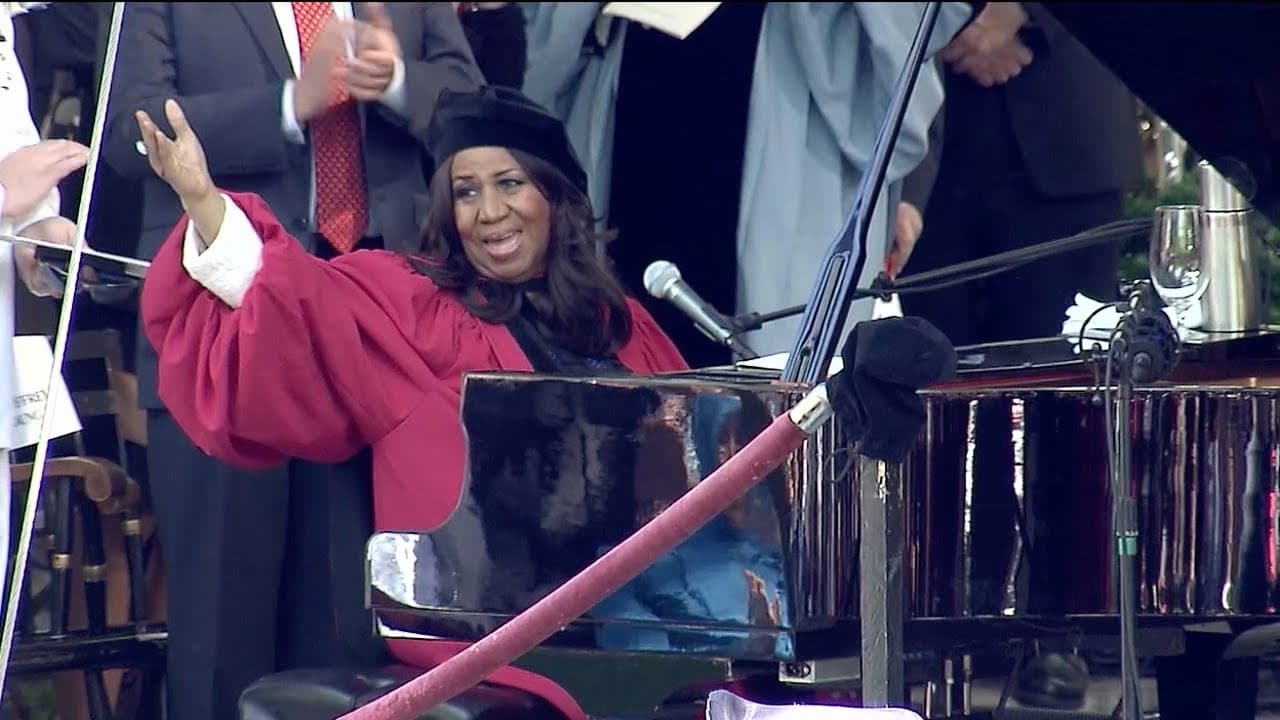
Aretha Franklin sings National Anthem at Harvard Commencement 2014
TL;DR
Summary of the US national anthem, "The Star-Spangled Banner," highlighting its symbolism and historical significance.
Transcript
O say can you see, by the dawn’s early light, What so proudly we hail’d at the twilight’s last gleaming, Whose broad stripes and bright stars through the perilous fight O’er the ramparts we watch’d were so gallantly streaming? And the rocket’s red glare, the bombs bursting in air, Gave proof through the night that our flag was still there, O say do... Read More
Key Insights
- 🇺🇸 "The Star-Spangled Banner" was adopted as the national anthem of the United States in 1931.
- 🇦🇸 The anthem's lyrics were inspired by the sight of the American flag still flying over Fort McHenry despite the British bombardment during the War of 1812.
- 😘 The anthem is sung at various national events, including sports games and official ceremonies.
- 🇬🇧 The song's melody is derived from a popular British drinking song, "To Anacreon in Heaven."
- ❓ Its lyrics represent the ideals of patriotism, unity, and resilience.
- 😘 The anthem has faced criticism regarding its complexity and difficulty to sing, leading to debates over potential alternative national anthems.
- 🫡 "The Star-Spangled Banner" is often performed with great reverence and respect, as it holds a sacred role in American culture.
Install to Summarize YouTube Videos and Get Transcripts
Explore YouTube Video Summarizer or Get YouTube Transcript Extractor
Questions & Answers
Q: Who wrote "The Star-Spangled Banner" and when?
"The Star-Spangled Banner" was written by Francis Scott Key in 1814 during the War of 1812 when he witnessed the bombing of Fort McHenry in Baltimore.
Q: What does the phrase "O say can you see" refer to?
The phrase "O say can you see" in the anthem's opening line refers to Key's observation of the American flag still waving proudly over Fort McHenry after a night of intense bombing.
Q: What is the historical significance of the anthem?
"The Star-Spangled Banner" holds historical significance as it represents the resilience and determination of American troops during the War of 1812, highlighting their sacrifice to protect their country.
Q: Why does the anthem mention "the land of the free and the home of the brave"?
The anthem mentions "the land of the free and the home of the brave" to emphasize the values of freedom and courage that are integral to the United States.
Summary
This video discusses the meaning of the lyrics in the American national anthem, "The Star-Spangled Banner", and their significance. It explores the historical context and symbolism behind the words and examines the anthem's enduring relevance.
Questions & Answers
Q: What is the historical significance of the "dawn's early light" mentioned in the anthem?
The phrase "dawn's early light" refers to the morning of September 14, 1814, during the War of 1812. It signifies the resilience of the American flag, which continued to fly despite the British bombardment of Fort McHenry. The lyrics capture the sense of hope and triumph in the face of adversity.
Q: What do the "broad stripes and bright stars" represent?
The "broad stripes and bright stars" symbolize the American flag itself. The stripes signify the original thirteen colonies that fought for independence, while the stars represent the states that have joined the Union since then. This imagery emphasizes the unity and growth of the nation.
Q: What is the meaning behind the phrase "through the perilous fight"?
"Through the perilous fight" refers to the intense battle and struggle that the American soldiers endured during the War of 1812. It is a tribute to their bravery and determination in protecting their homeland against the British forces. The phrase serves as a reminder of the sacrifices made by those who fought for their country.
Q: How does the anthem showcase the resilience of the American spirit?
The anthem showcases the resilience of the American spirit through its depiction of the flag still waving despite the chaos of war. It highlights the enduring spirit of the nation and its people, who have faced numerous challenges throughout history but have always persevered. The anthem serves as a symbol of hope and unity in times of adversity.
Q: What is the significance of the "rocket's red glare" and "bombs bursting in air"?
The lines "rocket's red glare" and "bombs bursting in air" describe the intense artillery fire during the Battle of Fort McHenry. These vivid images symbolize the violence and destruction of war, yet also showcase the resilience of the American flag and the nation it represents. The lyrics remind us of the sacrifices and struggles endured in the pursuit of freedom.
Q: Does the anthem reflect the enduring nature of the American flag?
Yes, the anthem reflects the enduring nature of the American flag. The line "O say does that star-spangled banner yet wave" poses a question about the flag's continuity, to which the answer is an emphatic "yes". It represents the enduring symbol of freedom and democracy and continues to inspire Americans to this day.
Q: What does the anthem mean when it refers to the "land of the free" and the "home of the brave"?
The phrase "land of the free" refers to America as a nation that offers liberty and freedom to its citizens. It represents the ideals of democracy and individual rights. The mention of the "home of the brave" pays tribute to the courage and valor of those who have served and protected the nation. It acknowledges the sacrifices made by the military and serves as a reminder of the bravery of American citizens.
Q: How has the anthem become a symbol of national identity?
The anthem has become a symbol of national identity due to its historical significance and widespread adoption. It represents the values and principles upon which the United States was founded, and has been embraced as a unifying song that instills a sense of pride and patriotism in Americans. The anthem is performed at significant national events and serves as a reminder of the nation's shared history and collective aspirations.
Q: How has the anthem evolved over time?
The anthem has evolved over time through various interpretations and performances. Different versions and musical arrangements have emerged, allowing for personal and cultural expressions of patriotism. Additionally, the anthem has sparked debates and discussions about the inclusivity and meaning of its lyrics in relation to contemporary social issues. This ongoing evolution reflects the dynamic nature of American society and its unwavering commitment to freedom and progress.
Q: What is the lasting impact of the anthem's lyrics?
The lyrics of the anthem have a lasting impact by serving as a reminder of America's history, values, and aspirations. They evoke a sense of unity and national pride, while also reflecting the struggles and sacrifices made for freedom. The anthem's enduring relevance lies in its ability to connect Americans, regardless of their backgrounds, and inspire them to strive for a brighter future.
Takeaways
The lyrics of "The Star-Spangled Banner" hold deep historical significance and serve as a powerful symbol of America's resilience, unity, and commitment to freedom. They represent the country's triumphs and struggles, and continue to resonate with people as a reminder of their shared heritage and collective aspirations. The anthem's ability to evoke patriotism and inspire a sense of national pride is testament to its enduring relevance in American society.
Summary & Key Takeaways
-
"The Star-Spangled Banner" is the national anthem of the United States, written by Francis Scott Key during the War of 1812.
-
It describes the resilience of American troops amidst the bombing of Fort McHenry in Baltimore, Maryland.
-
The anthem symbolizes American pride, unity, and freedom, reminding citizens of the sacrifices made for their nation.
Read in Other Languages (beta)
Share This Summary 📚
Summarize YouTube Videos and Get Video Transcripts with 1-Click
Try YouTube Summary with ChatGPT & Claude or YouTube Transcript Generator
Explore More Summaries from Harvard University 📚



Summarize YouTube Videos and Get Video Transcripts with 1-Click
Try YouTube Summary with ChatGPT & Claude or YouTube Transcript Generator