How Tech Shifts Impact Startup Culture
TL;DR
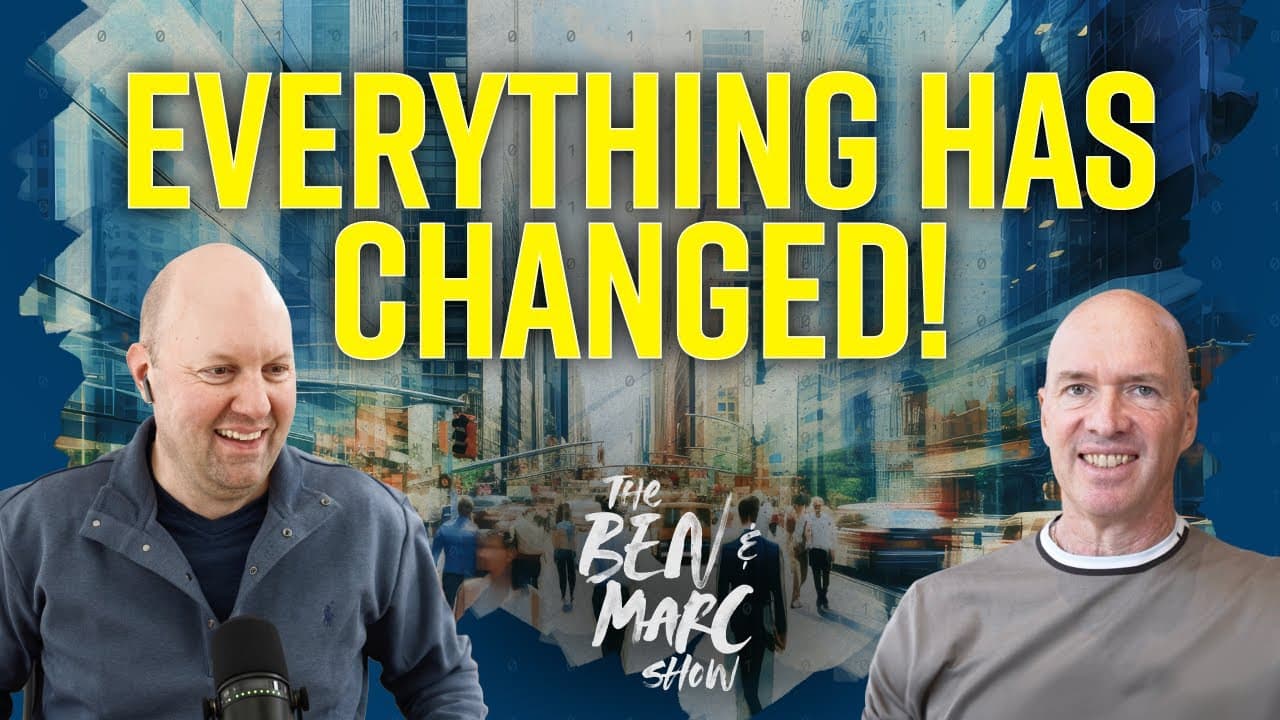
The post-COVID world has dramatically shifted how startups operate, primarily due to technological disruptions and changes in work culture. Key changes include the acceleration of video conferencing, a decline in trust in institutions, and the rise of remote work. These factors have reshaped startup dynamics, requiring new strategies for maintaining company culture and adapting to evolving employee expectations.
Transcript
if I'm an HR person and I want to really assert control over a company it's like look I've got the law on my side I've got your career in my hands and I can nuke you on social and moral grounds whenever I want like that's an incredibly powerful set of capabilities in these larger institutions is is are those apparatuses now so powerful that they ac... Read More
Key Insights
- Operation Warp Speed significantly altered vaccine development by guaranteeing government purchase, thus incentivizing rapid innovation.
- Video conferencing technology, despite existing for decades, only gained widespread adoption post-COVID, revolutionizing remote work and communication.
- COVID-19 led to a massive erosion of trust in institutions, affecting societal and economic dynamics, and increasing demand for new, trustworthy institutions.
- Remote work has challenged traditional company culture, necessitating new strategies to maintain employee engagement and cohesion.
- The shift to remote work and hybrid models has left commercial real estate in city centers underutilized, posing challenges for urban economies.
- Retail and restaurant sectors face existential threats from crime and changing consumer behaviors, exacerbated by post-COVID economic shifts.
- There is a growing disconnect between reported economic health and public perception, partly due to inflation and its uneven effects across demographics.
- The role of HR has expanded in many companies to include enforcing social and political norms, raising questions about its influence over company culture.
Install to Summarize YouTube Videos and Get Transcripts
Explore YouTube Video Summarizer or Get YouTube Transcript Extractor
Questions & Answers
Q: How has remote work affected startup culture?
Remote work has fundamentally altered startup culture by reducing in-person interactions, which traditionally fostered collaboration and innovation. Startups now face the challenge of maintaining engagement and cohesion among remote teams. Effective strategies include regular virtual check-ins, fostering open communication, and organizing periodic in-person gatherings to reinforce company culture and build team camaraderie.
Q: What was the biggest technological disruption post-COVID?
The most significant technological disruption post-COVID was the widespread adoption of video conferencing. Although the technology existed for decades, it only became mainstream during the pandemic, transforming how businesses operate and communicate. This shift has enabled remote work, reduced the necessity for physical office spaces, and accelerated digital transformation across industries.
Q: Why has trust in institutions declined since COVID?
Trust in institutions has declined due to perceived mishandling of the pandemic by authorities, inconsistent messaging, and the politicization of public health measures. The erosion of trust is evident across political and social spectrums, leading to skepticism about institutional credibility. This decline has created an opportunity for new entities to establish themselves as reliable alternatives.
Q: How can startups maintain culture in a hybrid work environment?
Startups can maintain culture in a hybrid work environment by clearly defining their cultural goals and implementing strategies that promote engagement and cohesion. This includes facilitating regular communication, organizing team-building activities, recognizing employee contributions, and ensuring that company values and objectives are consistently communicated and reinforced across all channels.
Q: What impact has remote work had on urban commercial real estate?
Remote work has led to a significant reduction in demand for office space in urban centers, resulting in underutilized commercial real estate. This shift has economic implications for cities reliant on a bustling daytime population. The decline in office occupancy affects local businesses, such as restaurants and retail stores, which depend on foot traffic from office workers.
Q: How has the rise of video conferencing impacted businesses?
The rise of video conferencing has enabled businesses to operate more flexibly, reducing the need for physical office spaces and allowing for remote work arrangements. This shift has led to cost savings on real estate and commuting, increased accessibility to global talent, and necessitated new approaches to team collaboration and communication to maintain productivity and engagement.
Q: What challenges do retail and restaurant sectors face post-COVID?
Post-COVID, retail and restaurant sectors face challenges due to shifting consumer behaviors, increased crime rates, and economic pressures. The rise of online shopping and food delivery services has reduced foot traffic in physical stores, while crime and regulatory changes have made operating costs higher. These sectors must innovate to adapt to the new economic landscape and consumer expectations.
Q: What role does HR play in modern company culture?
HR plays a crucial role in modern company culture by ensuring compliance with labor laws, supporting management quality assurance, and often enforcing social and political norms within the organization. HR's influence extends to shaping company values, managing employee relations, and driving initiatives that align with broader societal and organizational goals, impacting overall company culture.
Summary & Key Takeaways
-
Post-COVID, startups face a transformed landscape with video conferencing and remote work becoming the norm. This shift has necessitated new strategies to maintain company culture and employee engagement in a hybrid work environment. Trust in institutions has declined, driving demand for new, reliable entities.
-
Technological disruptions, such as accelerated vaccine development and the rise of video conferencing, have reshaped startup operations. The erosion of trust in traditional institutions has opened opportunities for startups to build new, trusted frameworks.
-
Urban centers are grappling with underutilized commercial spaces due to remote work, while retail and restaurant sectors face challenges from crime and shifting consumer behaviors. These changes demand innovative solutions for startups to thrive in the new economic reality.
Read in Other Languages (beta)
Share This Summary 📚
Summarize YouTube Videos and Get Video Transcripts with 1-Click
Try YouTube Summary with ChatGPT & Claude or YouTube Transcript Generator
Explore More Summaries from The Ben & Marc Show 📚





Summarize YouTube Videos and Get Video Transcripts with 1-Click
Try YouTube Summary with ChatGPT & Claude or YouTube Transcript Generator