Reprogram your mind with exec coaching
TL;DR
Coaching and therapy can unlock potential by addressing past trauma.
Transcript
Read and summarize the transcript of this video on Glasp Reader (beta).
Key Insights
- Many startup founders have difficult childhoods, often involving trauma, which can uniquely prepare them for the challenges of startup life.
- Trauma can be both a driver of entrepreneurial success and a hindrance if not addressed through self-awareness and professional help.
- Cameron Yarbrough has helped many, including Garry, by using his own experiences with trauma to guide others through their challenges.
- Deep work, including therapy, meditation, and coaching, is vital for personal growth and can lead to better decision-making and leadership.
- Organizations reflect the mental health of their leaders; improving one's mental health can positively impact the entire organization.
- Radical candor, a leadership style that combines empathy and accountability, can lead to improved organizational culture and performance.
- COVID-19 has highlighted the importance of transparency and empathy in leadership, as trust is crucial during crises.
- Group coaching and therapy provide unique insights and support, enhancing personal development and leadership skills.
Install to Summarize YouTube Videos and Get Transcripts
Explore YouTube Video Summarizer or Get YouTube Transcript Extractor
Questions & Answers
Q: How can trauma affect a founder's journey?
Trauma can serve as both a catalyst and an obstacle for founders. While it may drive them to seek control and success, unresolved trauma can hinder decision-making and leadership. Addressing these issues through coaching and therapy can help founders harness their experiences productively.
Q: What role does deep work play in personal development?
Deep work, which includes therapy, meditation, and coaching, is crucial for personal growth. It helps individuals understand their behaviors, improve decision-making, and develop better interpersonal skills. This self-awareness is essential for effective leadership and can positively impact an organization.
Q: Why is transparency important in leadership during a crisis?
Transparency builds trust within a team, especially during crises like COVID-19. When leaders are open about challenges and decisions, it fosters a culture of honesty and integrity. This trust is vital for maintaining team morale and ensuring everyone is aligned with the organization's goals.
Q: How does radical candor contribute to effective leadership?
Radical candor, a leadership style that combines empathy with accountability, encourages open communication and constructive feedback. It helps leaders challenge directly while caring deeply, fostering a positive organizational culture and improving team dynamics and performance.
Q: What are the benefits of group coaching?
Group coaching offers unique insights by providing a supportive environment where individuals can share experiences and learn from each other. It enhances personal development and leadership skills by allowing participants to gain diverse perspectives and practice interpersonal communication in a structured setting.
Q: How can coaching and therapy impact an organization?
Coaching and therapy can significantly impact an organization by improving the mental health and self-awareness of its leaders. This personal growth radiates throughout the organization, enhancing team dynamics, decision-making, and overall performance. A mentally healthy leader can create a more positive and productive work environment.
Q: What is the 'horse and rider' allegory in the context of personal development?
The 'horse and rider' allegory illustrates the relationship between the conscious and subconscious mind. Deep work helps the 'rider' (conscious mind) better understand and steer the 'horse' (subconscious mind), leading to more effective decision-making and personal growth. This understanding is crucial for overcoming automatic responses and achieving desired outcomes.
Q: Why is it important for leaders to work on their mental health?
Leaders' mental health directly affects their decision-making and the organization's culture. By working on their mental health, leaders can become more self-aware, empathetic, and effective. This personal growth not only benefits the leader but also positively influences the entire organization, leading to improved team dynamics and business outcomes.
Summary
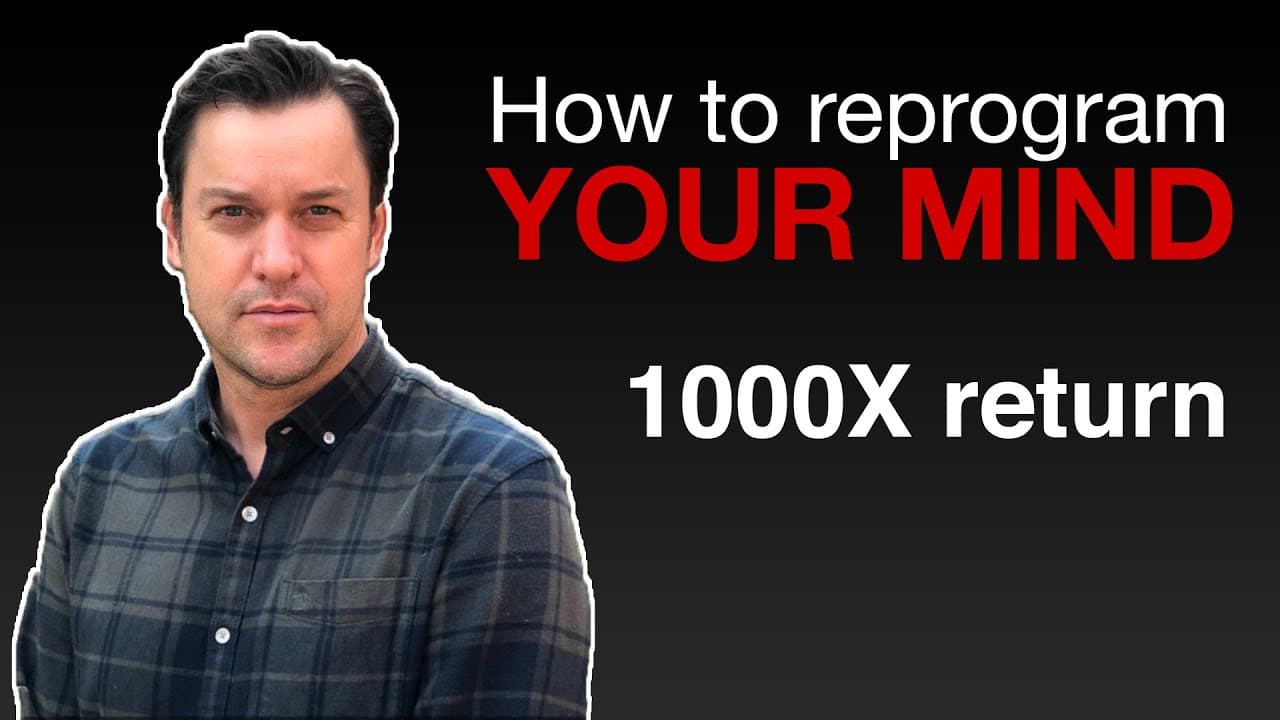
In this video, Garry Tan sits down with Cameron Yarbrough, his former executive coach and founder of Torch.io. They discuss the impact of trauma on startup founders, the importance of self-work and coaching, and the challenges faced by leaders during the COVID-19 pandemic.
Questions & Answers
Q: Can you program your own mind?
Yes, it is possible to program your own mind through self-work, therapy, coaching, and mindfulness practices. By understanding and addressing your past traumas and behaviors, you can make meaningful changes to improve your life and relationships.
Q: How does trauma impact startup founders?
Many startup founders come from tumultuous family environments and have experienced trauma in their pasts. This can create a unique drive and motivation to succeed in the startup world. Trauma can also lead to repetition compulsion, where individuals unconsciously seek out intense and severe environments, like startups, as a way to recreate and heal their past experiences.
Q: How can trauma be both a hindrance and an opportunity for founders?
Trauma can overwhelm founders who have not dealt with difficult experiences before, leading to instant failure. However, trauma can also provide the strength and resilience necessary for success. Founders from traumatic backgrounds are uniquely positioned to excel in the startup environment, as it allows them to both repeat and heal their pasts.
Q: How can therapy and coaching help founders understand and address their past traumas?
Therapy and coaching provide a safe space for founders to explore their past traumas and how they impact their mindset and behaviors. By gaining insight into their family dynamics and unconscious patterns, founders can work towards healing and creating healthier relationships.
Q: How can self-work and coaching benefit founders at a young age?
Startups can be a proxy environment for founders to recreate and heal their past traumas. By engaging in self-work, therapy, and coaching at a young age, founders can skip the mistakes and challenges they would have otherwise faced later in their careers. They can cultivate healthier behaviors and bring their full potential to fruition.
Q: When did Cameron start his own deep work?
Cameron began his deep work journey after a difficult relationship with his co-founder in a previous startup. The conflict and aggression he experienced stemmed from his unprocessed anger and trauma. After selling the company, he invested in therapy, meditation, and deep workshops to dive into his psychology and make lasting changes.
Q: How did Cameron's deep work impact his leadership and personal life?
Cameron's deep work allowed him to become a better leader and co-founder by understanding and addressing his family origin dynamics. It helped him become more aware of his reactions to conflict and make better decisions. Ultimately, it enabled him to be a more present father and the person he aspired to be.
Q: How does self-work help founders make better decisions and overcome automatic responses?
Self-work involves understanding one's own automatic responses and triggers. By being aware of these patterns, founders can catch themselves in the moment and consciously choose different paths. Coaching and therapy provide the support and guidance needed to unpack and change deep-seated behaviors.
Q: How does neurobiology impact behavior change?
The saying "neurons that fire together wire together" explains the difficulty of changing behaviors. It requires physically rewiring the brain's neural connections, which is challenging because the brain dedicates bandwidth to old behaviors. Changing behaviors involves practicing new patterns and breaking the automatic responses, which can be physically demanding but ultimately rewarding.
Q: How does coaching complement self-work and therapy?
Coaching provides a trusted and empathic relationship for founders to explore and navigate their challenges. Coaches offer different perspectives and ask thought-provoking questions, allowing founders to discover insights and make informed decisions. While friends and colleagues are supportive, having a coach who specializes in psychology and leadership can provide unique guidance and support.
Q: How can empathy, transparency, and gratitude help leaders during challenging times like COVID-19?
Leaders should focus on galvanizing their teams, investing in mental health, improving communication, and being transparent. Building trust through empathy is crucial, as it prevents teams from losing faith in leadership. Expressing gratitude can also strengthen team bonds and create a positive and resilient work culture.
Q: What are the benefits of group coaching and T-group sessions?
Group coaching and T-group sessions offer a structured environment for leaders to discuss and work through their leadership challenges. It provides an opportunity for deep and meaningful conversations with peers, allowing for shared experiences and insights. Group work complements individual coaching and therapy by providing a different dynamic and perspective.
Takeaways
Engaging in self-work, therapy, coaching, and mindfulness practices can help founders address their past traumas, understand their automatic responses, and make meaningful changes in their lives and relationships. Trauma can both hinder and provide strength to founders, and the startup environment can act as a proxy for healing past experiences. Building trust, empathy, and transparency as a leader during challenging times like COVID-19 is crucial. Group coaching and T-group sessions offer a powerful opportunity for leaders to address their leadership challenges in a structured and supportive environment.
Summary & Key Takeaways
-
The conversation with Cameron Yarbrough highlights how trauma in childhood can set the stage for entrepreneurial success, but also poses challenges that need addressing. Coaching, therapy, and meditation are key to overcoming these challenges.
-
Cameron's experiences with trauma have informed his coaching approach, helping founders like Garry Tan navigate personal and professional hurdles. Deep work is emphasized as a transformative process for better leadership.
-
In the context of COVID-19, the discussion underscores the need for empathetic and transparent leadership. Group coaching and radical candor are presented as effective tools for personal and organizational growth.
Read in Other Languages (beta)
Share This Summary 📚
Summarize YouTube Videos and Get Video Transcripts with 1-Click
Try YouTube Summary with ChatGPT & Claude or YouTube Transcript Generator
Explore More Summaries from Garry Tan 📚





Summarize YouTube Videos and Get Video Transcripts with 1-Click
Try YouTube Summary with ChatGPT & Claude or YouTube Transcript Generator