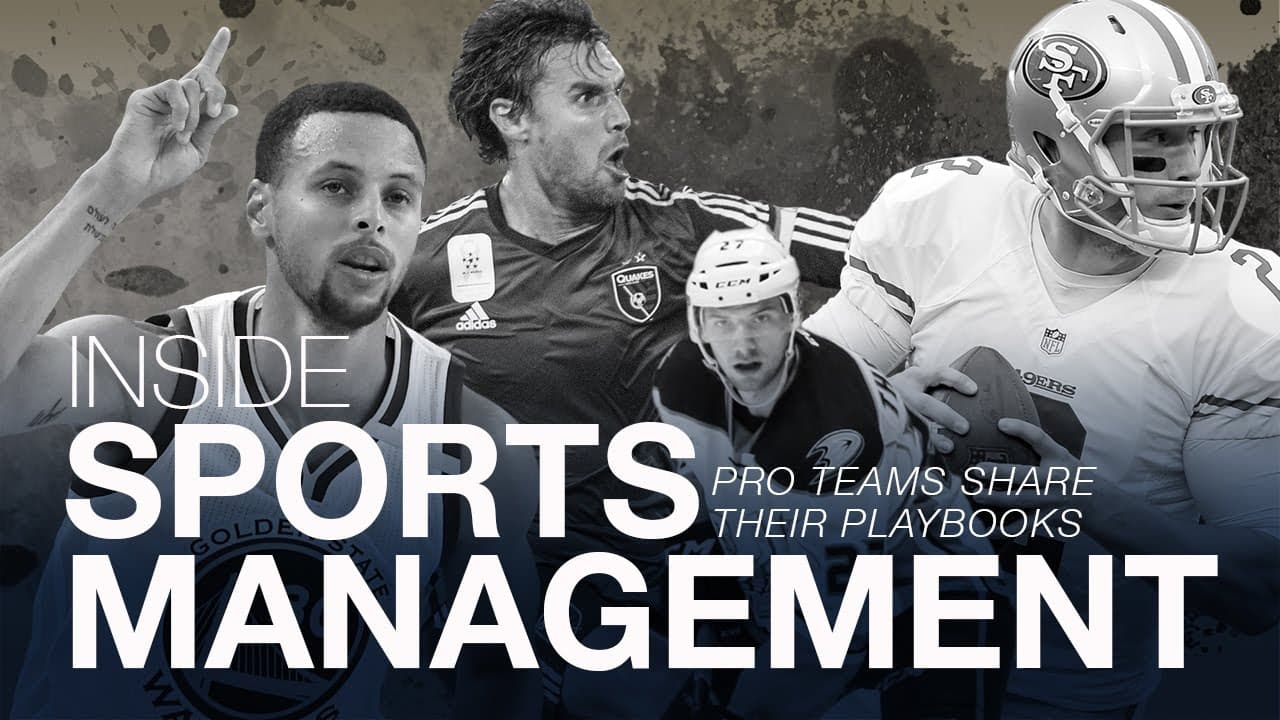
Inside Sports Management
TL;DR
Sports team owners face significant challenges, including making tough decisions and managing public criticism. Pursuing passion and resilience are key, as they lead initiatives like building new stadiums and transforming fan experiences to stay relevant in an evolving industry. Leadership requires balancing involvement in all business areas while fostering a strong team culture for long-term success.
Transcript
[MUSIC] I always planned to do this. This was like my life goal. [MUSIC] I played baseball, basketball, football. Hockey, soccer, everything. I literally, every morning I ate sports for breakfast. I wanted to be a professional athlete and then of course, I capped out at 5'9", 150 pounds and I realized that career was going to end pretty quick. Ther... Read More
Key Insights
- 🚙 Pursuing one's passion is crucial for success in any field, including sports.
- 😤 Team owners face challenges like criticism, tough decisions, and building stadiums, which require resilience and a positive mindset.
- 😤 Creating and maintaining a strong team culture is essential for achieving long-term success.
- 🤩 Balancing involvement in various aspects of the business is key for effective leadership.
- 🚙 Innovation and adaptability are crucial in the ever-changing sports industry.
- 👾 The in-stadium experience is transforming to keep pace with the on-demand, at-home experience.
- 🖐️ Data analytics play a vital role in decision-making and improving the fan experience.
Install to Summarize YouTube Videos and Get Transcripts
Explore YouTube Video Summarizer or Get YouTube Transcript Extractor
Questions & Answers
Q: What inspired the team owners to pursue a career in sports?
The team owners were driven by their love for sports and their experiences as fans. They saw the power of sports to bring people together and wanted to create memorable experiences for others.
Q: How do team owners handle criticism and tough decisions?
The team owners understand that criticism and tough decisions are part of their role. They strive to maintain confidence, motivate their team, and make decisions based on facts and analysis. They also emphasize the importance of staying focused on the big picture and not taking things personally.
Q: What challenges do team owners face in building stadiums and creating fan experiences?
Building stadiums can be a complex and time-consuming process, often involving community opposition and technical issues. Team owners strive to create fan experiences that compete with the comfort and convenience of watching from home, using technology and innovative strategies to enhance the in-stadium experience.
Q: How do team owners balance their involvement in various aspects of the business?
Team owners believe in being actively involved in all aspects of the business, from on-field performance to fan relations. They understand the importance of knowing the fan base, making data-driven decisions, and hiring the right people to execute their vision. They strive to create a strong culture where everyone feels valued and motivated.
Summary
In this video, various sports executives discuss their experiences and challenges in the sports industry. They talk about their passion for sports, the importance of building a strong team and culture, making tough decisions, and the constant need for growth and innovation. They also touch on the changing landscape of sports, the role of analytics, and the importance of connecting with fans. Overall, they emphasize the need for leadership, resilience, and a commitment to excellence in order to succeed in the highly competitive sports industry.
Questions & Answers
Q: What initially sparked the interest of one of the executives in the sports business?
One of the executives was initially inspired to pursue a career in sports business after watching the movie Jerry McGuire, which showcased the "other side" of the industry and the potential for success beyond playing sports.
Q: How did the executives' love for sports influence their career choices?
The executives' passion for sports played a significant role in shaping their career choices. They saw the power of sports in bringing people together and wanted to be a part of the excitement and fandom. For them, sports was not just a profession, but a way to create memorable experiences and make a positive impact on fans.
Q: How did a personal tragedy impact one of the executives' career trajectory?
One of the executives experienced a personal tragedy when a childhood friend was killed in a car accident. This event prompted a significant shift in his approach to his career and life in general. He realized the importance of pursuing his passions and making a difference, leading him to reevaluate his career path and focus on doing what he truly cared about.
Q: What does it mean to "fake showtime" in the sports industry?
"Faking showtime" refers to the idea of always putting on a confident and positive facade, even in challenging or uncertain situations. Showing any signs of weakness or doubt can negatively impact team morale and the overall perception of leadership. It involves projecting confidence and inspiring others to believe in themselves and their ability to overcome obstacles.
Q: How did one of the executives maintain confidence and motivation in the face of challenges while building a stadium?
Building a stadium in California presented numerous challenges and hurdles that could have potentially derailed the project. However, the executive believed in the ultimate success of the endeavor and understood the importance of maintaining unwavering confidence and passion. By exuding confidence and instilling it in others, they were able to overcome obstacles and keep the team motivated throughout the process.
Q: How did the executive handle criticism and negative feedback?
The executive acknowledged that criticism and negative feedback are inevitable in the sports industry. They emphasized the need to develop a thick skin and not take things personally. Reacting negatively or retaliating only leads to ineffectiveness. Instead, they focused on making decisions quickly and staying focused on the ultimate goal of success. The executive believed that failure is a part of the journey and understanding the feeling of failure is crucial for future growth and improvement.
Q: What role does leadership play in making tough decisions?
Leadership involves making tough decisions that the public may not understand or agree with. The executives explained that as leaders, they have access to all the facts and information that the public does not. They must carefully analyze and reanalyze the situation, utilizing their expertise and understanding of the industry to make informed choices. Leadership is about managing the expectations of stakeholders and guiding the organization towards success, even when faced with criticism or doubt.
Q: How did the executive deal with being booed after making a controversial trade?
The executive shared an experience where he was booed by fans after making a trade that many did not understand or agree with. However, he acknowledged that being booed was not uncommon in the sports industry and viewed it as an opportunity for growth. He explained that failure and criticism are essential in developing resilience and learning from mistakes. The executive also highlighted the importance of clear communication and explaining decisions to gain the trust and support of fans and stakeholders.
Q: What is the Silicon Valley approach to sports business?
The executives discussed the Silicon Valley approach to sports business, which involves a focus on entrepreneurship, innovation, and analytics. They emphasized the importance of leveraging data-driven decision-making and applying business principles to the sports industry. This approach allows for creating more efficient and successful sports organizations, ultimately leading to a better fan experience and sustained growth.
Q: How do the executives balance the business aspects of sports with the passion and love for the game?
The executives recognize that while sports is a business, it is also deeply rooted in passion and fandom. They strive to create an environment where both aspects can thrive. They understand the importance of knowing and connecting with the fans, as well as creating memorable experiences. They believe in building a culture that reflects their love for the game and instilling values such as integrity and teamwork in every aspect of the organization.
Q: How do the executives prioritize and balance different stakeholders' expectations and interests?
The executives understand that different stakeholders have varying priorities and interests in the sports industry. They strive to find a balance and ensure that all stakeholders' needs are considered. They take time to understand each stakeholder's perspective and engage in open and transparent communication. By listening, analyzing, and making informed decisions, they work towards creating an environment that benefits all parties involved.
Takeaways
The sports industry is highly competitive and constantly evolving. It requires strong leadership, resilience, and a commitment to excellence. Building a strong team and culture is crucial for success. It is important to make tough decisions and effectively communicate them to gain trust and support. Analytics and data-driven decision-making are becoming increasingly important. The fan experience and engagement are key considerations for any sports organization. The sports industry is a business, but it is also rooted in passion and love for the game. Balancing the different needs and expectations of stakeholders is necessary for success. Ultimately, the goal is to create sustainable success and continuously strive for improvement.
Summary & Key Takeaways
-
The content features interviews with various sports team owners who share their experiences and insights.
-
It emphasizes the importance of pursuing one's passion and finding the right path in life.
-
The content explores the challenges faced by team owners, including making tough decisions, dealing with criticism, and the need for constant innovation and improvement.
Read in Other Languages (beta)
Share This Summary 📚
Summarize YouTube Videos and Get Video Transcripts with 1-Click
Try YouTube Summary with ChatGPT & Claude or YouTube Transcript Generator
Explore More Summaries from Stanford Graduate School of Business 📚




Summarize YouTube Videos and Get Video Transcripts with 1-Click
Try YouTube Summary with ChatGPT & Claude or YouTube Transcript Generator