The sneakiest tricksters of the animal kingdom - Eldridge Adams
TL;DR
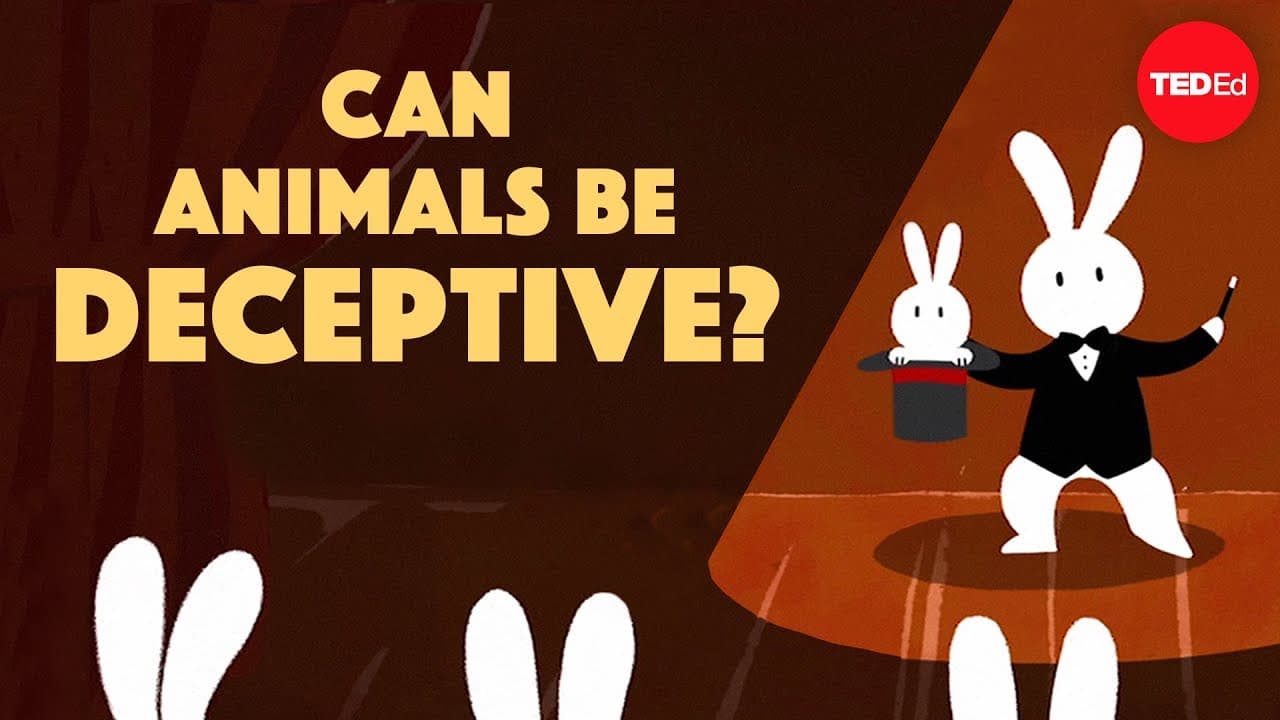
Animals in nature, such as fireflies, geckos, orchids, and birds, engage in deceptive behaviors to mislead predators, prey, and rivals.
Transcript
A male firefly glows above a field on a summer’s night, emitting a series of enticing flashes. He hopes a nearby female will respond with her own lightshow and mate with him. Sadly for this male, it won’t turn out quite the way he plans. A female from a different species mimics his pulsing patterns: by tricking the male with her promise of partn... Read More
Key Insights
- 📞 Animal deception is characterized by misleading the receiver, benefiting the deceiver, and not being accidental.
- 💁 Camouflage and mimicry are common forms of animal deception for protection and attracting mates.
- ✋ Some animals adjust their behaviors based on the reactions of others, showing a higher level of deception understanding.
- ❓ Deceptive behaviors can also be used against members of the same species for competition.
- ❓ Determining intent in animal deception is challenging, but observing behavior and outcomes can provide insights into their manipulation abilities.
- 🎚️ Animals demonstrate a surprising level of complexity in their deceptive behaviors.
- 🛟 Deceptive behaviors can serve purposes such as survival, reproduction, and obtaining resources.
Install to Summarize YouTube Videos and Get Transcripts
Explore YouTube Video Summarizer or Get YouTube Transcript Extractor
Questions & Answers
Q: What are some examples of animal deception in nature?
Animal deception can be seen in camouflage, where animals like leaf-tailed geckos and octopuses blend into their surroundings. Mimicry is another example, with harmless scarlet kingsnakes resembling venomous eastern coral snakes for protection. Even plants, like orchids, use mimicry to attract male wasps for pollination.
Q: How do animals adjust their behavior to deceive others?
Animals like octopuses and dwarf chameleons change their colors to match their surroundings, depending on the perceived threat. The fork-tailed drongo bird sounds false alarms to make other species flee, allowing it to steal their food. Mantis shrimp engage in bluffing behaviors, threatening intruders with its large limbs despite being vulnerable.
Q: Do animals deceive members of their own species?
While there are fewer cases, animals also use deception against their own species. For example, the mantis shrimp bluffs against rivals by threatening them even in its softened vulnerable state, strategically choosing smaller rivals to bluff against.
Q: Can we determine if animals deceive with intent?
While we can't understand animals' internal thoughts, by observing their behavior and the outcomes, we can determine that animals manipulate predators, prey, and rivals through deception. The complexity of their deceptive behaviors suggests a level of intentionality.
Summary & Key Takeaways
-
Animals in nature use deception for various purposes, such as protection, attracting mates, and obtaining food.
-
Examples of animal deception include camouflage, mimicry, and using false alarms to steal prey.
-
Some animals adjust their behavior based on the reactions of other animals, demonstrating a complex understanding of deception.
Read in Other Languages (beta)
Share This Summary 📚
Summarize YouTube Videos and Get Video Transcripts with 1-Click
Try YouTube Summary with ChatGPT & Claude or YouTube Transcript Generator
Explore More Summaries from TED-Ed 📚



Summarize YouTube Videos and Get Video Transcripts with 1-Click
Try YouTube Summary with ChatGPT & Claude or YouTube Transcript Generator