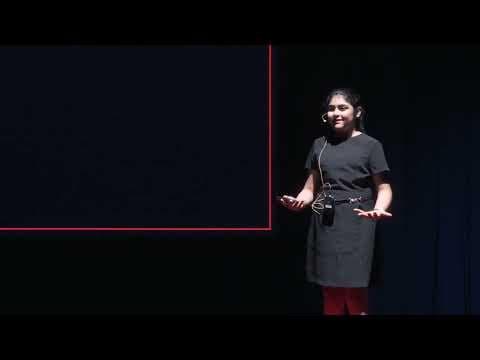
Put Your Mask on First | Kisha McCray | TEDxHoodCollege

TL;DR
Keisha McRae shares her journey of recognizing burnout and the importance of self-care, urging others to prioritize their well-being.
Transcript
please welcome to the tedx Hood College stage Keisha McRae what if I told you that after 15 years of being in the Human Services field I finally took a vacation without checking my work email if I show of hands who's been there before you know the email that you sent after you take PTO or vacation and you say I'm off for four days but I'll be avail... Read More
Key Insights
- 🤘 Burnout is a serious issue that affects many individuals, and it is crucial to recognize the signs and take action to prevent it.
- 😨 Self-care is not a luxury but a necessity for overall well-being and effectiveness in various aspects of life.
- 🤨 The barriers to practicing self-care can be overcome by raising awareness, addressing guilt, and finding the time and support needed.
- 😨 Scheduling self-care time and sharing goals with others can help in creating a routine and staying on track.
- 😨 It is important to be kind to oneself and not be too hard when struggling to meet self-care goals, as progress takes time and effort.
- 😨 By prioritizing self-care, individuals can improve their own health, relationships, and overall quality of life.
- 🙂 Recognizing the role models and influences from one's upbringing can shed light on patterns and behaviors that may hinder self-care practices.
Install to Summarize YouTube Videos and Get Transcripts
Explore YouTube Video Summarizer or Get YouTube Transcript Extractor
Questions & Answers
Q: What is the difference between stress and burnout?
Stress is temporary and can be resolved with some time off, while burnout is a state of disengagement and numbness. Burnout refers to a stage where an individual is unable to handle or solve issues effectively, which requires professional intervention.
Q: What are some common barriers to practicing self-care?
Some common barriers include lack of awareness about the need for self-care, feeling guilty about taking time for oneself, and not having enough time due to work and personal commitments.
Q: How can individuals assess their current self-care practices?
Individuals can assess their self-care practices by reflecting on what they currently do for themselves, such as hobbies, exercise, or relaxation techniques. It is important to determine what activities bring joy and relaxation and incorporate more of those into one's routine.
Q: How can one stay accountable for practicing self-care?
Sharing self-care goals with a trusted friend, partner, or family member can help in staying accountable. They can remind and encourage individuals to prioritize self-care, even when they may struggle to do so themselves.
Summary
In this TEDx talk, Keisha McRae discusses her personal journey towards recognizing the importance of self-care and overcoming burnout. She shares stories from her own life, including a moment when she prioritized work over her family during a vacation. Recognizing the need for self-care, she started journaling and creating a plan for herself. She also began modeling self-care practices to her team at work and having intentional conversations about self-care during one-on-one meetings. McRae emphasizes the importance of assessing current self-care practices, identifying barriers, and scheduling dedicated time for self-care. She also encourages the audience to share their self-care journey with others and not be too hard on themselves when they don't meet their goals.
Questions & Answers
Q: What was the wake-up call that made Keisha McRae realize she needed to prioritize self-care?
The wake-up call for Keisha McRae was when she received a work call during a family road trip and immediately jumped into solving work issues instead of focusing on spending quality time with her family. This incident made her feel like a failure and made her recognize the stage of burnout she was approaching. Her husband had actually told her to leave her work cell phone at home, but she had packed it just in case. This incident made her realize the need for self-care and starting her journey towards prioritizing it.
Q: How does Keisha McRae define burnout and how is it different from stress?
Keisha McRae explains that stress and burnout are different. Stress can be resolved by taking a few days off and then getting back to work, but burnout is a stage where one starts disengaging, feeling numb, and being unable to provide assistance or solve problems. Burnout is a more severe condition that requires intentional self-care practices to overcome.
Q: What are some common barriers to self-care?
Keisha McRae identifies multiple barriers to self-care. One barrier is a lack of awareness. Many individuals may not even realize that they need self-care or don't fully understand the importance of it. Other barriers include lack of time, guilt, and societal expectations. Some people may feel guilty for taking time for themselves or believe that self-care is selfish. These barriers can prevent people from engaging in self-care practices.
Q: How did Keisha McRae's upbringing and family dynamics influence her understanding of self-care?
Keisha McRae reflects on her family's experiences and how they shaped her understanding of self-care. She mentions that her grandmother worked hard to take care of her five children, while her mother emphasized self-sufficiency and not relying on others. However, self-care was not a topic that was openly discussed or modeled in her family. McRae recognized that she had modeled their behavior of putting others first and not prioritizing her own self-care. This realization prompted her to change her approach and start prioritizing herself.
Q: How did Keisha McRae start her self-care journey?
Keisha McRae began her self-care journey by getting a journal and writing down all the things she wanted to accomplish and the things she wanted to do. She acknowledges that she needed a plan and started with the basics. This involved taking breaks during the workday, ensuring she had lunch breaks, and getting enough sleep. By conquering these smaller things, she gained confidence and then moved on to more significant self-care practices.
Q: How did Keisha McRae model self-care practices to her team at work?
Keisha McRae shared her self-care practices with her team at work to model the importance of prioritizing self-care. She had one-on-one meetings with her team members and asked them about their self-care strategies. By being intentional and creating a safe space for self-care conversations, she aimed to empower her team members to prioritize their own well-being. As a leader, she also emphasized the importance of self-care and supported her team members' self-care journeys.
Q: What are the steps Keisha McRae recommends for starting a self-care journey?
Keisha McRae suggests several steps for starting a self-care journey. The first step is to assess current self-care practices, reflecting on what one is currently doing for themselves. The second step is to envision where one wants to be in terms of self-care. This involves identifying self-care practices that are appealing and meaningful to the individual. The third step is to identify barriers that may be hindering self-care. This requires doing a soul search to understand what is stopping one from engaging in self-care. The fourth step is to schedule dedicated time for self-care, being intentional about making it a priority. The fifth step is to share one's self-care journey with others, building a support system. And finally, the last step is not to be too hard on oneself when failing to meet self-care goals, but rather to recommit and try again.
Q: How does Keisha McRae suggest finding accountability for self-care?
Keisha McRae believes that finding accountability for self-care is essential. She suggests seeking someone who will call you out when you prioritize work over yourself or neglect your self-care. It could be a friend, family member, or even a coworker who understands the importance of self-care. This person will remind you of your commitments to yourself and keep you accountable for your self-care practices.
Q: What is the significance of the "mask on moment" mentioned by Keisha McRae?
The "mask on moment" is a concept introduced by Keisha McRae to her team at work. It is a moment during one-on-one meetings where she asks her team members to rate their well-being on a scale from zero to five. This question allows her to gauge their current state and offer support if needed. It also creates an opportunity for her team members to share their self-care strategies and receive validation for engaging in self-care. The "mask on moment" is meant to foster open conversations about well-being and self-care in the workplace.
Q: Why does Keisha McRae encourage not being too hard on oneself when failing to meet self-care goals?
Keisha McRae understands that self-care is a journey with its ups and downs. She advises not being too hard on oneself when unable to meet self-care goals. Instead, she encourages individuals to recommit and try again. Self-care is a constant practice that requires patience and self-compassion. By not being too hard on oneself, individuals can maintain a positive mindset and continue striving for self-care.
Takeaways
Keisha McRae's talk highlights the importance of recognizing the need for self-care and prioritizing it in our lives. She emphasizes that burnout is a serious condition that can lead to disengagement and numbness. To start the self-care journey, she recommends assessing current self-care practices, identifying barriers, and scheduling dedicated time for self-care. Sharing one's self-care journey with others and finding accountability are also crucial. Finally, McRae encourages individuals not to be too hard on themselves when they fail to meet self-care goals, but rather to recommit and continue the journey towards prioritizing themselves.
Summary & Key Takeaways
-
Keisha McRae shares her personal experience of nearly reaching burnout after years of neglecting self-care.
-
She emphasizes the need for individuals to prioritize themselves and engage in self-care practices.
-
McRae highlights the importance of being aware of barriers and scheduling self-care time, while also seeking support from others.
Read in Other Languages (beta)
Share This Summary 📚
Summarize YouTube Videos and Get Video Transcripts with 1-Click
Try YouTube Summary with ChatGPT & Claude or YouTube Transcript Generator
Explore More Summaries from TEDx Talks 📚





Summarize YouTube Videos and Get Video Transcripts with 1-Click
Try YouTube Summary with ChatGPT & Claude or YouTube Transcript Generator