Why Do Companies Make Repairs Difficult for Consumers?
TL;DR
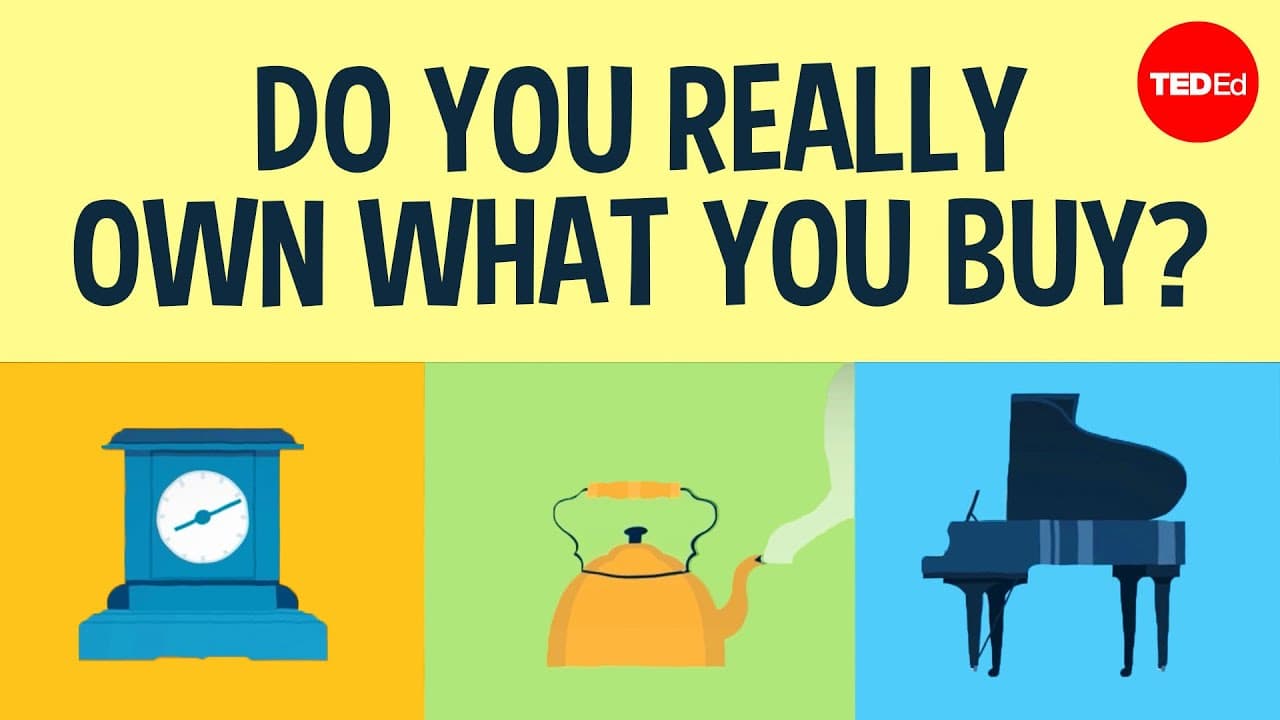
Companies often restrict consumer repair options through practices like parts pairing and limited access to repair information, leading to increased e-waste and frustration. These strategies are criticized as a form of planned obsolescence, although companies argue they are protecting against liability and cybersecurity risks. Advocacy for repair rights is growing, with legal challenges and community movements promoting a culture of repair.
Transcript
For centuries, to build any device, artisans had to painstakingly cut every screw, bolt, or nut by hand. But all this changed in the 1790s, when British metalworker Henry Maudslay developed this highly precise lathe. Suddenly, these previously handmade components could be reproduced mechanically, and at scale. This may seem like a simple innovation... Read More
Key Insights
- 🥳 The development of interchangeable parts revolutionized manufacturing and made repairs easier, significantly impacting consumer culture.
- 💍 Modern companies often engage in practices that complicate repairs, contributing to the increasing levels of e-waste and environmental damage.
- 🥳 Parts pairing and restrictive policies prevent consumers from easily replacing or repairing essential components in devices, leading to frustration and obsolescence.
- 🫸 Advocacy for repair rights is expanding across various regions, pushing back against manufacturers' control and promoting sustainable practices.
- ☕ Community-driven initiatives, like repair cafes, are crucial in reviving repair culture and empowering individuals with the knowledge to fix their items.
- 🛄 Companies justify their restrictive practices with concerns about liability and cybersecurity, despite skepticism from regulatory bodies about the validity of these claims.
- 🗯️ As consumers become more aware of their rights, legal changes may reshape how companies operate in terms of product design and consumer access to repairs.
Install to Summarize YouTube Videos and Get Transcripts
Explore YouTube Video Summarizer or Get YouTube Transcript Extractor
Questions & Answers
Q: What was the significance of Henry Maudslay's lathe?
Henry Maudslay's invention of a highly precise lathe in the 1790s allowed for the mass production of standardized parts. This innovation transformed how components like screws and bolts were manufactured, leading to mechanical reproduction at scale and initiating a shift towards mass production during the Industrial Revolution.
Q: How do companies limit consumer repair options?
Companies implement various strategies to limit consumer repair options. These include physically securing parts with adhesives rather than screws, restricting access to repair manuals and product information, and employing parts pairing, which prevents proper functionality when non-original components are used.
Q: What impact does limiting repair options have on e-waste?
Limiting repair options contributes significantly to the increase in e-waste, with 62 million tons discarded in 2022 alone. Consumers are often forced to replace malfunctioning products instead of repairing them, resulting in not only environmental concerns but also the loss of valuable resources contained within electronic devices.
Q: How are consumers responding to companies' repair limitations?
Consumers are increasingly pushing back against restrictive repair practices. States like Colorado and Oregon have enacted laws banning practices like parts pairing, while community movements such as repair cafes emphasize the importance of repair knowledge and promote sustainable practices through shared resources and collective efforts.
Q: What are the main arguments companies use to defend their repair limitations?
Companies argue that restricting access to repair options is necessary for cybersecurity and liability reasons. They claim that allowing third-party repairs could lead to dangerous malfunctions and that they could be held responsible for any issues arising from unapproved repairs, especially in critical sectors like healthcare.
Q: What role do repair cafes play in addressing repair challenges?
Repair cafes serve as community hubs where individuals can learn and share repair skills, offering an alternative to the disposability of items. By fostering a culture of repair, these cafes encourage sustainable practices and empower people to take control of fixing their belongings instead of discarding them.
Q: How does planned obsolescence factor into these corporate practices?
Critics argue that many of these corporate tactics resemble planned obsolescence, where products are designed intentionally to fail or limit functionality after replacements, thereby driving continuous consumer demand and increasing profits at the expense of sustainability and consumer choice.
Q: What future developments can we expect in the right-to-repair movement?
The right-to-repair movement is gaining momentum, with ongoing legal battles against restrictive practices and public demand for transparency. As awareness grows, we can anticipate more legislation supporting consumer repair rights and possibly shifts in corporate strategies toward more sustainable practices in manufacturing and product design.
Summary & Key Takeaways
-
The introduction of Henry Maudslay's precise lathe in the 1790s revolutionized the production of interchangeable parts, laying the foundations for mass production during the Industrial Revolution.
-
Today, many companies limit consumer repair options through practices like parts pairing and restricted access to repair information, leading to higher e-waste levels.
-
Advocacy for repair rights is growing, with legal challenges against restrictive practices and movements like repair cafes promoting do-it-yourself fixes and sustainability.
Read in Other Languages (beta)
Share This Summary 📚
Summarize YouTube Videos and Get Video Transcripts with 1-Click
Try YouTube Summary with ChatGPT & Claude or YouTube Transcript Generator
Explore More Summaries from TED-Ed 📚



Summarize YouTube Videos and Get Video Transcripts with 1-Click
Try YouTube Summary with ChatGPT & Claude or YouTube Transcript Generator