How Is AI Transforming Labor Markets and Business Operations?
TL;DR
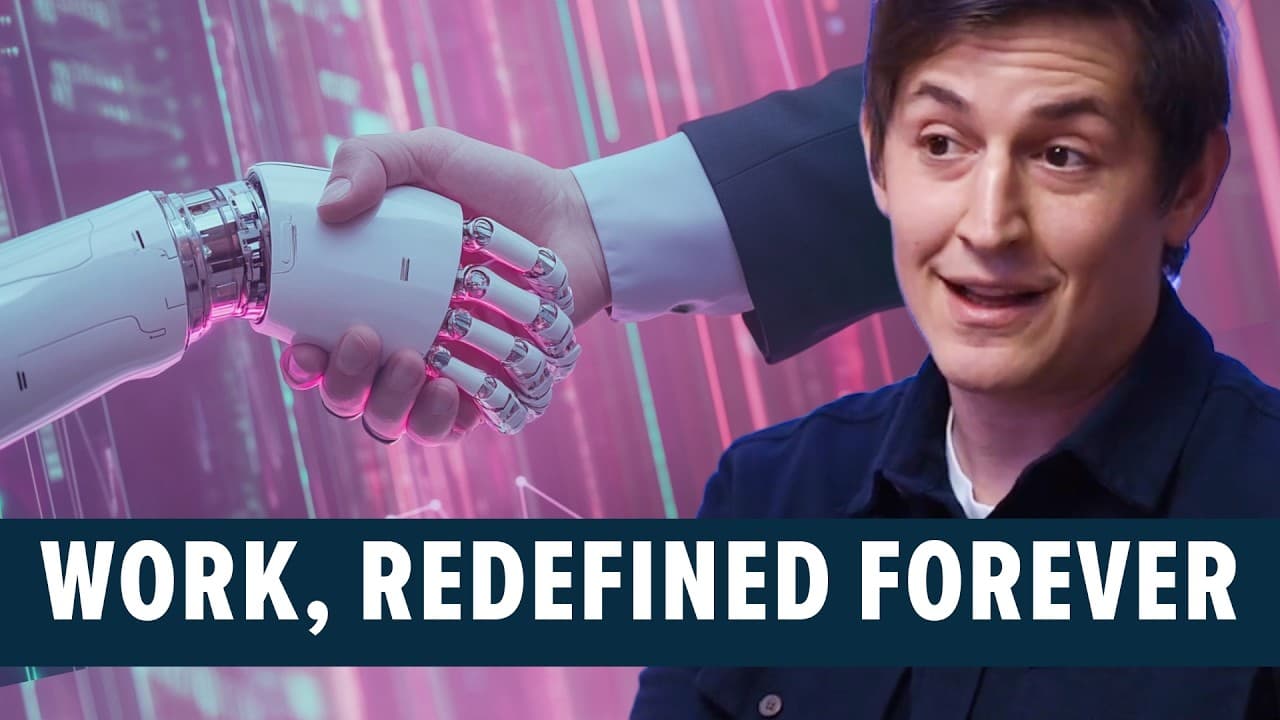
AI is reshaping labor markets by automating tasks previously performed by humans, potentially doubling or even tenfold increasing productivity. This shift not only challenges existing job structures but also compels companies to rethink their pricing models, prioritizing payments based on output rather than basic software licensing fees. As new roles emerge, the focus will shift towards relationship management and specialized skills amid the evolving landscape.
Transcript
now you have software agents that are effectively doing what for 65 years have been human work you know is that going to increase software Revenue 2x it could potentially increase it 10x it's not even on the same kind of playing field so all the data is here in the cloud all the compute is in the cloud and now you just kind of mix them together man... Read More
Key Insights
- 😶🌫️ The transition from traditional software to cloud-based solutions has drastically changed business efficiency and labor markets.
- 🎭 AI agents are becoming capable of tasks previously performed by humans, creating both opportunities for increased productivity and concerns about job displacement.
- 🤱 Companies are reevaluating their pricing structures, exploring models that charge for outputs rather than just license fees.
- 👶 New job roles are emerging alongside AI advancements, focusing more on relationship management and specialized skills rather than routine tasks.
- 🥶 Older industries, particularly in financial services and compliance, remain vulnerable to disruption through AI-driven software solutions that can optimize and automate processes.
- 🪡 The interplay between human skills and AI capabilities will redefine job roles, emphasizing the need for emotional intelligence and creativity.
- 😡 Startups entering markets with aged incumbents have the chance to innovate by leveraging new AI technologies to meet unmet labor or operational needs.
Install to Summarize YouTube Videos and Get Transcripts
Explore YouTube Video Summarizer or Get YouTube Transcript Extractor
Questions & Answers
Q: How has the evolution of software impacted labor markets?
Over the decades, software has evolved from simple database management to complex, cloud-based systems that not only store data but also process it. This evolution has significantly impacted labor markets by automating tasks that were traditionally performed by humans, thereby increasing efficiency. As AI technology advances, software agents are now taking over roles historically reserved for human workers, affecting job availability and transforming labor dynamics.
Q: What are some key concerns regarding the rise of AI in software?
The primary concern is job displacement, as AI agents are capable of performing functions that previously required human labor. Additionally, as companies adopt AI solutions to cut costs, there may be a significant reduction in workforce requirements, leading to job losses. The potential for AI to significantly alter pricing structures and revenue models poses a challenge for traditional software companies as they navigate this new landscape.
Q: How does the AI revolution affect the pricing structure of software companies?
Companies are moving towards a model where they can charge based on the output of AI-driven work rather than by traditional metrics like user licenses or seats. As AI automates specific tasks, software companies can provide greater value at lower costs, prompting a reevaluation of pricing strategies. Companies that adapt to this shift can capitalize on new markets while potentially sacrificing traditional revenue streams.
Q: Can AI enhance existing workforce capabilities?
Yes, AI can serve as a productivity enhancer, allowing human workers to focus on higher-level tasks. Tools that augment human capabilities—like co-pilot AIs—can help employees perform at an elevated level and handle more complex problems, which may lead to a redefinition of job roles rather than outright elimination. This symbiosis can ideally result in a more skilled workforce capable of engaging more effectively in their fields.
Q: What unique opportunities exist within the financial services software market?
The financial services sector, characterized by outdated systems, presents a unique opportunity for AI-driven solutions that can automate and optimize various functions like transaction monitoring and compliance. Entrepreneurs who understand the inefficiencies within these legacy systems can create innovative tools that not only enhance productivity but also reshape how financial services operate, providing substantial market potential.
Q: Why is it crucial for software companies to understand their incumbents?
Understanding incumbents is critical because it helps new companies identify potential threats and market opportunities. Existing players often have established customer bases and systems of record, making it challenging for new entrants to disrupt deeply ingrained practices. Recognizing how incumbents plan to adapt to AI and respond to evolving pricing models can inform strategies for market entry and growth for startups.
Q: What role does human connection play in an AI-driven work environment?
While AI can automate tasks and increase efficiency, the human element remains crucial for certain interactions, such as relationship building. As routine tasks become automated, the value of interpersonal skills and emotional intelligence becomes more pronounced. Workers may need to adapt by developing skills that leverage human creativity and connection to maintain relevance in the workplace.
Q: How can businesses prepare for the AI-driven future?
To prepare for an AI-driven future, businesses should invest in understanding AI technology and its potential applications within their industries. Upskilling employees to work alongside AI, reevaluating pricing models, and embracing new business strategies will be essential. Moreover, fostering a culture that values innovation and adaptability will be key to thriving in an evolving economic landscape.
Summary & Key Takeaways
-
The evolution of software from basic data management to cloud computing has transformed how businesses operate, with significant implications for labor and efficiency.
-
The rise of AI agents is challenging traditional labor roles, enabling software to perform tasks that were previously reliant on human workers, thus creating potential for vast productivity increases.
-
This technological shift presents both opportunities for cost savings and threats to existing job structures, necessitating a reevaluation of pricing models and business strategies.
Read in Other Languages (beta)
Share This Summary 📚
Summarize YouTube Videos and Get Video Transcripts with 1-Click
Try YouTube Summary with ChatGPT & Claude or YouTube Transcript Generator
Explore More Summaries from a16z 📚





Summarize YouTube Videos and Get Video Transcripts with 1-Click
Try YouTube Summary with ChatGPT & Claude or YouTube Transcript Generator