What Can We Learn from FDR and Modern Politics?
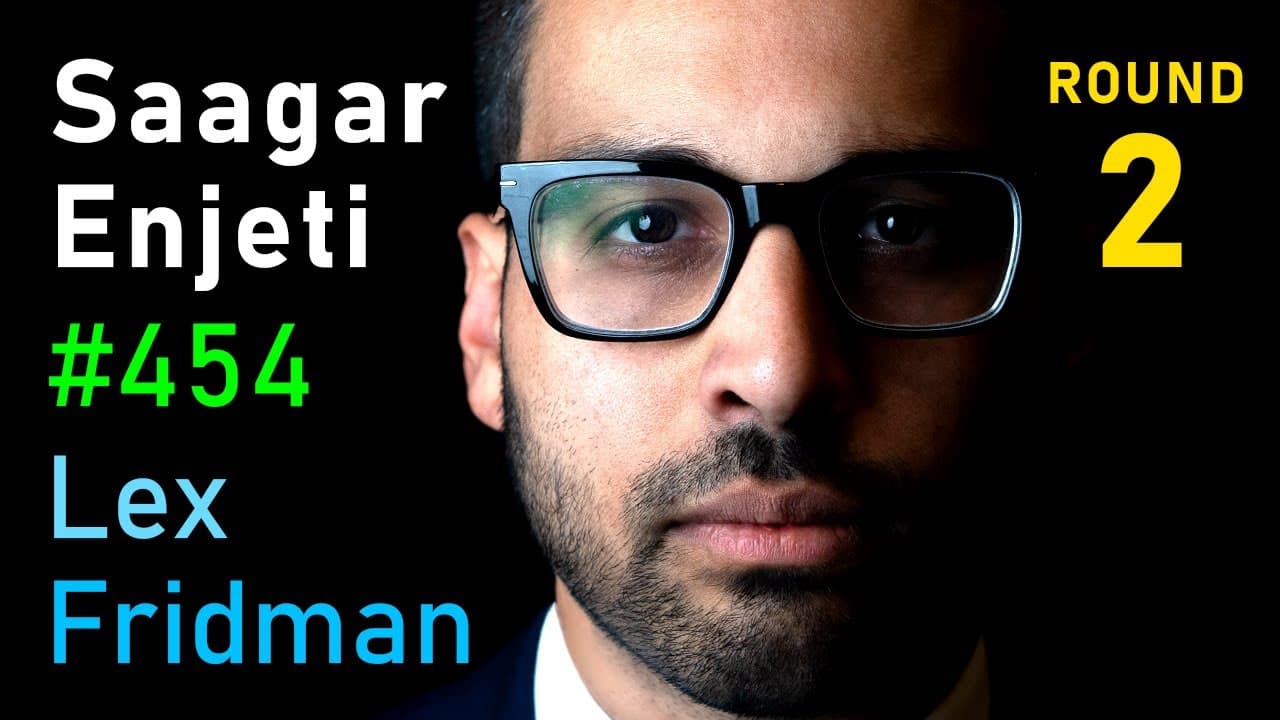
TL;DR
FDR's dynamic leadership reshaped American politics, demonstrating the importance of engagement and bold legislation during crises. As political landscapes evolve, understanding the impact of figures like Trump and Biden is essential, highlighting the tensions between identity politics and traditional values within both parties.
Transcript
- So people need to go back and read the history of the first 100 days under FDR, the sheer amount of legislation that went through, his ability to bring Congress to heel and the Senate. He gets all this stuff through. But as you and I know, legislation takes a long time to put into place, right? We've had people starving on the streets all through... Read More
Key Insights
- 📁 FDR's leadership style, characterized by direct engagement and legislative innovation, contrasted sharply with Hoover's perceived inaction, shaping public trust and expectations for government intervention.
- 🥺 The evolution of leftist politics has led to a tension-filled environment where identity politics and cultural elitism challenge traditional Democratic ideologies.
- 🥳 The cyclical nature of public opinion demonstrates a historical pattern where electoral shifts often occur in response to dissatisfaction with the ruling party, emphasizing the importance of voter sentiments.
- 😷 Recognizing the changing landscape of media and its effect on public perception is crucial in affirming the role of journalists to ask pertinent questions that reflect the current climate.
- ✊ Political figures like Trump represent a break from established norms, creating both opportunities for new paradigms and challenges in understanding the balance of power.
- 🏈 The future of American politics suggests potential shifts toward candidates who resonate beyond establishment politics, rewarding those willing to take risks on unpopular topics.
- 🫒 The relationship between national crises and political change illustrates how societies can be compelled to rethink governance structures and the candidates they support based on actual lived experiences.
Install to Summarize YouTube Videos and Get Transcripts
Explore YouTube Video Summarizer or Get YouTube Transcript Extractor
Questions & Answers
Q: How did FDR’s approach differ from Hoover's during the Great Depression?
FDR's approach involved extensive legislation and direct communication with the public through fireside chats, showcasing active leadership compared to Hoover's perceived inaction. This difference in response helped shape public perceptions and paved the way for the New Deal, which aimed to provide relief and recovery for those suffering during the crisis.
Q: What fundamental change did the Great Awokening embody in leftist politics?
The Great Awokening represented a significant shift towards race-based discussions in politics, impacting the Democratic Party's strategies and policies. It catalyzed more pronounced identity politics and influenced voter attitudes, ultimately creating a divide between traditional and progressive factions within the party.
Q: How has the perception of Trump as a political figure evolved?
Trump’s perception has evolved from being viewed as an outsider challenging the status quo to a polarizing figure whose actions are scrutinized. His presidency has been characterized by a fired-up base, but those who opposed him frequently focused on his personality traits rather than policy viability.
Q: Can you explain the term “thermostatic public opinion”?
Thermostatic public opinion refers to the cyclical nature of voter sentiment where public opinion shifts towards the opposite ideological direction in response to the political party in power. When a party is in control, this often results in backlash and a push towards the opposing party during subsequent elections, evident in the shifts seen from Bush to Obama and then to Trump.
Q: What role does the media play in shaping public perception?
Media plays a crucial role by framing narratives and influencing how political issues are presented to the public. The primary concern lies in the fact that people's desire for comfort can lead to acceptance of incomplete or biased portrayals of reality, impacting their understanding and trust in politicians and institutions.
Q: How does the historical context of presidential elections inform current political dynamics?
Historical contexts, like the patterns set during critical times such as the Great Depression or the civil rights movement, help to understand present political dynamics. Patterns of voter behavior and ideological shifts echo past events, influencing how current candidates resonate with or challenge public sentiment.
Q: What insights can be drawn from the political landscape post-election 2020?
Post-election insights indicate a strong reaction against perceived injustice and unfairness in election processes, with voters increasingly polarized. The continued challenges faced by the Democratic Party underscore a need for its candidates to negotiate voter expectations and align with broader national sentiments.
Q: In what ways do you believe the Republican Party could evolve in the future?
The Republican Party may evolve by either reinforcing Trump's populism and redefining its approach to cultural issues or pivoting towards moderate candidates emphasizing traditional conservative values. This evolution will heavily depend on whether current societal and economic pressures align more with grassroots sentiments or elite narratives.
Summary & Key Takeaways
-
The discussion emphasizes the impact of historical figures like FDR, JFK, and the shift toward cultural elitism in recent elections affecting voter sentiments and party dynamics.
-
The conversation highlights the complexities of the current political landscape, particularly surrounding figures like Trump and Biden, emphasizing themes of identity, populism, and the changing nature of voter bases.
-
The role of journalism and media is examined, especially in how it shapes public perception, accountability, and the necessity for comprehensive discussions in a political context.
Read in Other Languages (beta)
Share This Summary 📚
Summarize YouTube Videos and Get Video Transcripts with 1-Click
Try YouTube Summary with ChatGPT & Claude or YouTube Transcript Generator
Explore More Summaries from Lex Fridman 📚
Summarize YouTube Videos and Get Video Transcripts with 1-Click
Try YouTube Summary with ChatGPT & Claude or YouTube Transcript Generator