Think Fast, Talk Smart: Communication Techniques
TL;DR
To communicate effectively in spontaneous situations, manage your anxiety by greeting it and reframing the situation as an opportunity. Focus on listening actively to the audience and use structured responses, like the problem-solution-benefit or what-so-what-now-what frameworks, to articulate your thoughts clearly and engage your listeners.
Transcript
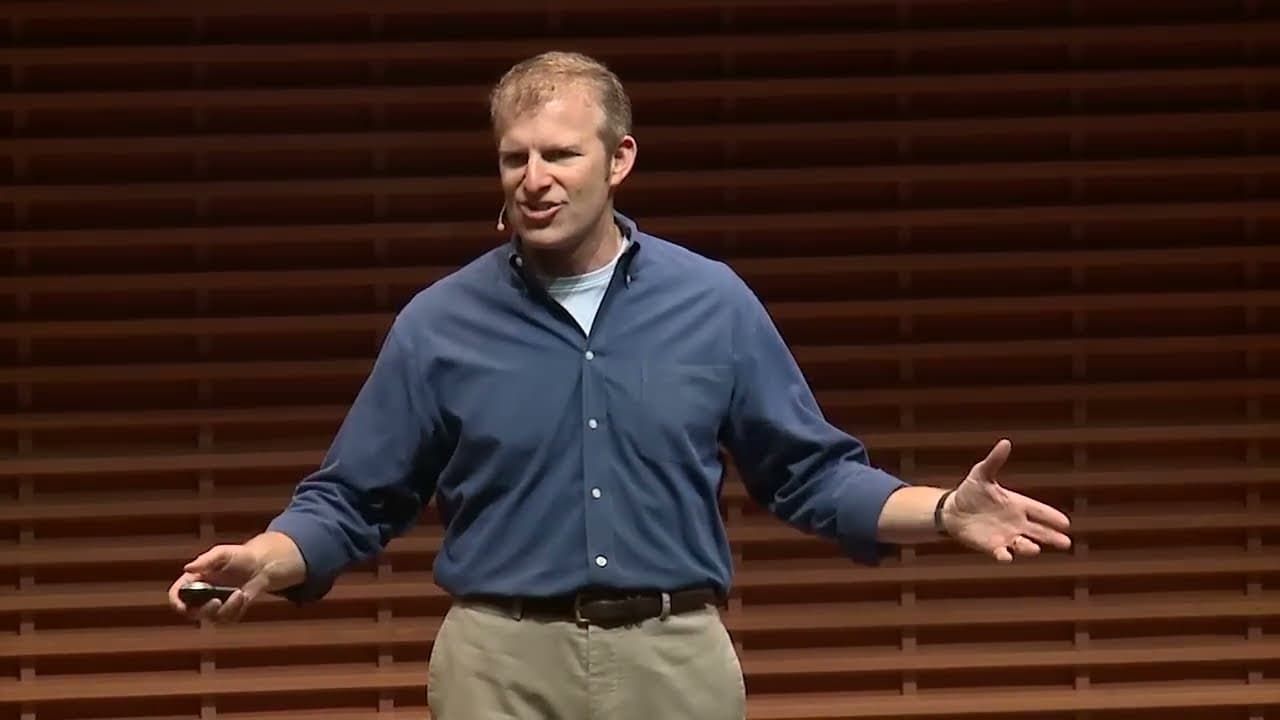
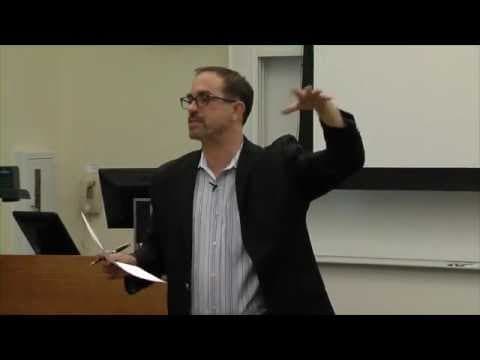
[MUSIC] Welcome. I'm very excited today to talk about effective speaking in spontaneous situations. I thank you all for joining us, even though the title of my talk is grammatically incorrect. I thought that might scare a few of you away. But I learned teaching here at the business school, catching people's attention is hard. So, something as simpl... Read More
Key Insights
- 🎤 Effective speaking in spontaneous situations is the focus of the workshop. The speaker uses an attention-grabbing title to draw people in. [MUSIC]
- 🎛️ The speaker emphasizes the importance of participation and interactive activities to become effective communicators.
- 🔢 Participants are asked to count the number of fs in a sentence, but many miss the two-letter word ending in f. This demonstrates that even smart people can miss important details when not paying attention.
- 😮 Most people feel nervous when speaking in public, and they can learn to manage their anxiety by acknowledging and greeting it. Anxiety can actually be helpful in giving energy and focus, but it needs to be managed.
- 💬 Speaking in spontaneous situations is more prevalent than planned speaking, and it requires little things like reframing and conversational language to be effective.
- 🎭 Responding to cold calls is a top concern for business school students. This workshop was created to help students become more successful in spontaneous speaking situations.
- 👥 Spontaneous speaking includes giving introductions, providing feedback, giving surprise toasts, and participating in Q&A sessions. These situations require thinking on your feet and speaking in the moment.
- 💪 The four steps to becoming an effective communicator are getting out of your own way, reframing the situation as an opportunity, listening, and using a structured approach to respond effectively.
Install to Summarize YouTube Videos and Get Transcripts
Explore YouTube Video Summarizer or Get YouTube Transcript Extractor
Questions & Answers
Q: How can managing anxiety help improve speaking skills in spontaneous situations?
Managing anxiety is crucial because it helps speakers feel more comfortable and confident, allowing them to focus on their message and effectively engage with the audience. By greeting anxiety, reframing the situation, and practicing techniques to stay present and relaxed, speakers can eliminate distractions and deliver their message more effectively.
Q: How can using structure in spontaneous speaking situations be helpful?
Structure provides a framework for speakers to organize their thoughts and deliver a clear and coherent message. It helps both the speaker and the audience understand the main points and arguments being made. By using structures like problem-solution-benefit or what-so what-now what, speakers can communicate their ideas in a more organized and persuasive manner.
Q: What are the risks and rewards of using humor in speaking?
Humor can be a powerful tool to connect with an audience and make a presentation more engaging and memorable. However, humor is subjective, and what may be funny to one person may not be to another. It's important to test jokes and ensure that they are appropriate and align with the audience's expectations and cultural background. If used effectively, humor can create a stronger connection with the audience and make the speaker more relatable.
Q: How can journalists ask spontaneous questions effectively in interviews?
Journalists can ask spontaneous questions by using the power of "why" to dig deeper and get more detailed responses. Asking people for advice or guidance can also elicit more authentic and insightful answers. It's important for journalists to be respectful and fair in their questioning, while also remaining true to their role as information gatherers and truth-seekers.
Summary
This video discusses effective speaking in spontaneous situations and provides techniques for managing anxiety, reframing the situation as an opportunity, slowing down and listening, and using storytelling structures like problem-solution-benefit and what-so what-now what. These techniques are based on academic research and can help improve communication skills in spontaneous speaking situations.
Questions & Answers
Q: Why did the speaker use a grammatically incorrect title for the talk?
The speaker used a grammatically incorrect title to catch people's attention and draw them to the workshop. It was a simple tactic to engage the audience.
Q: What did the sentence activity with counting "f's" represent?
The sentence activity with counting "f's" represented the importance of paying attention to details and how we can often miss things even when we think we are being thorough. It served as an analogy for the little things that can make a big difference in effective communication.
Q: What is the difference between planned and spontaneous speaking?
Planned speaking refers to speeches or presentations that are prepared in advance and often include slides or formal structures. Spontaneous speaking, on the other hand, refers to situations where you are asked to speak off the cuff and in the moment, such as giving introductions, providing feedback, or participating in Q&A sessions.
Q: How did the speaker create the workshop on responding to cold calls?
The workshop on responding to cold calls was created in response to a survey taken among students at the business school. The top request from students was to improve their ability to respond to cold calls, where they are asked to speak in the moment and often feel panicked or silent. The workshop was then developed to help students become more successful in these situations.
Q: What are some common spontaneous speaking situations?
Common spontaneous speaking situations include giving introductions, providing feedback, surprise toasts, and participating in Q&A sessions. These are instances where you are asked to speak spontaneously and without prior planning or preparation.
Q: How can anxiety be managed when speaking in public?
Anxiety can be managed by acknowledging and greeting your anxiety when you begin to feel the symptoms. This helps prevent the anxiety from spiraling out of control. You can also reframe the situation as a conversation rather than a performance, which can help make you feel more comfortable. Lastly, bringing yourself into the present moment through techniques like deep breathing, counting, or saying tongue twisters can help reduce anxiety or nervousness.
Q: How does using questions and conversational language make you more effective in spontaneous speaking?
Using questions in your speech or presentation engages the audience and makes them feel involved in the conversation. It also helps create a conversational atmosphere. Similarly, using conversational language instead of distant or formal language helps establish a connection with the audience and makes you more relatable. Both techniques can make you more effective and comfortable in spontaneous speaking situations.
Q: How does being present-oriented contribute to managing anxiety?
Being present-oriented helps reduce anxiety because it takes your focus away from future consequences or worries. When you are fully present in the moment, you are less concerned about the outcome and more focused on the task at hand. Techniques like counting, listening to music, or saying tongue twisters can help bring you into the present moment and reduce anxiety.
Q: What is the significance of the "shout the wrong name" game?
The "shout the wrong name" game helps train your brain to get out of its own way by preventing stockpiling or trying to get the correct answer. It teaches you to be in the present moment and not worry about being right or wrong. It is a fun activity that helps you become more comfortable with spontaneity and improvisation.
Q: How does reframing the situation as an opportunity instead of a challenge or threat affect your communication?
Reframing the situation as an opportunity changes your mindset and helps you approach the situation with a positive and open mindset. It helps you see the potential benefits and possibilities in the situation rather than being defensive or resistant. This can make you more comfortable and effective in spontaneous speaking situations.
Q: How does listening contribute to effective spontaneous speaking?
Listening is crucial in spontaneous speaking because it helps you understand the demands of the situation and what the other person is asking or needs. By truly listening, you can respond in a targeted and appropriate way. It also shows respect and attention to the other person, which can improve the overall communication experience. Slowing down and listening allows you to fully engage with the conversation and understand what is being asked of you.
Takeaways
Effective speaking in spontaneous situations requires managing anxiety, reframing the situation as an opportunity, listening actively, and using storytelling structures like problem-solution-benefit or what-so what-now what. These techniques can improve communication skills and help you feel more comfortable and confident when speaking in public or in spontaneous situations. Remember to get out of your own way, see opportunities rather than challenges, listen attentively, and structure your responses to effectively convey your message.
Summary & Key Takeaways
-
The speaker discusses the importance of effective speaking in spontaneous situations and how to improve skills in these situations.
-
He shares a fun activity where participants have to point at objects and call them by the wrong name to demonstrate the need to get out of our own way.
-
The speaker emphasizes reframing the situation as an opportunity rather than a challenge and the importance of listening and using structure in communication.
-
He provides two useful structures: problem-solution-benefit and what-so what-now what.
-
The speaker encourages practicing these skills to become more confident and compelling speakers.
Read in Other Languages (beta)
Share This Summary 📚
Summarize YouTube Videos and Get Video Transcripts with 1-Click
Try YouTube Summary with ChatGPT & Claude or YouTube Transcript Generator
Explore More Summaries from Stanford Graduate School of Business 📚


Summarize YouTube Videos and Get Video Transcripts with 1-Click
Try YouTube Summary with ChatGPT & Claude or YouTube Transcript Generator