What Exactly is the Present?
TL;DR
Engineers at the 1939 world's fair discovered that humans are not very good at discerning whether audio and video are in sync, and our brain automatically aligns the two senses up to a certain point.
Transcript
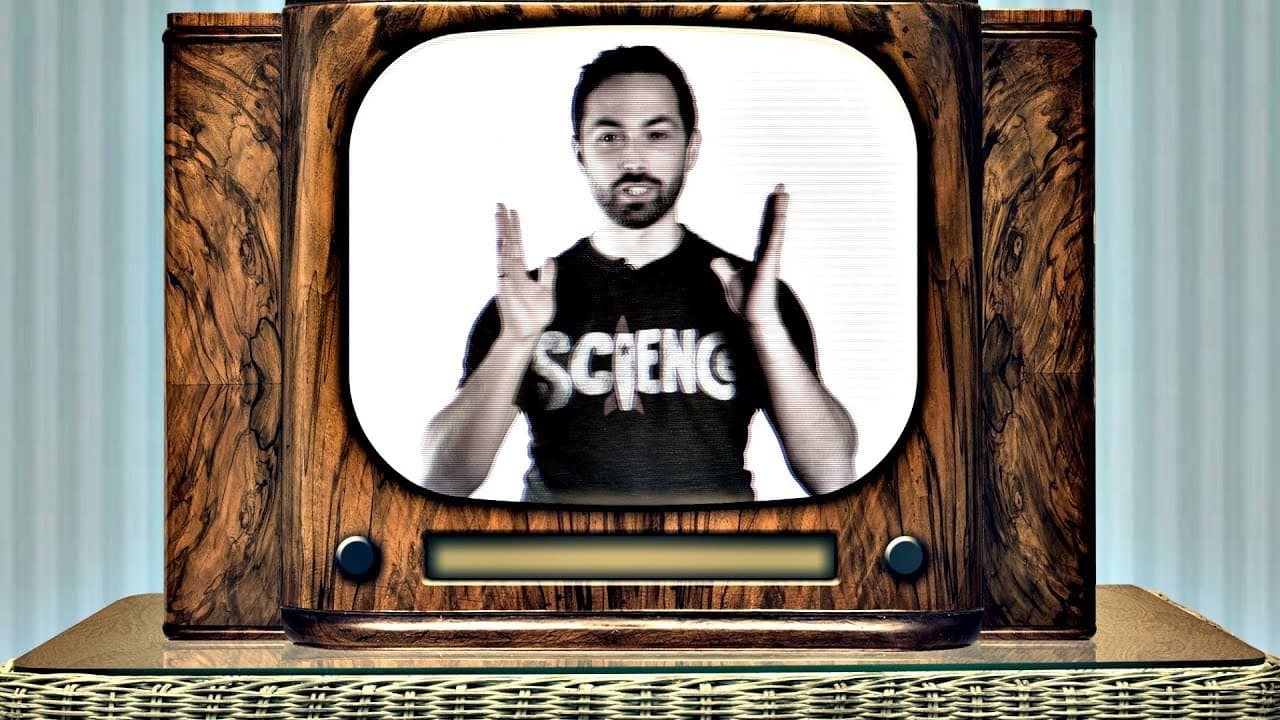
At the 1939 world's fair in New York, the exciting new tech was the live television broadcast. Roosevelt became the first president to address the nation live on TV But for years leading up to this event, engineers have been working on one particular technical problem: How to ensure the audio and video remain perfectly synced during the live broadc... Read More
Key Insights
- 🧚 Engineers at the 1939 world's fair discovered that humans have limited perception when it comes to audio-video sync.
- 😥 Our brain automatically aligns sound with sight, up to a certain point, to create a coherent experience.
- 🥺 Broadcast guidelines favor audio lagging behind video due to our brain's ability to perceive audio leading as unnatural.
- 🥺 Experiments have shown that introducing delays between actions and visual feedback can lead to perceptual illusions.
Install to Summarize YouTube Videos and Get Transcripts
Explore YouTube Video Summarizer or Get YouTube Transcript Extractor
Questions & Answers
Q: How did engineers ensure audio and video sync during live television broadcasts?
Engineers didn't actually achieve perfect audio-video sync. They discovered that humans have limited perceptual abilities regarding sync, and slight delays are often unnoticed by viewers.
Q: Why is audio lag more tolerable than audio leading video?
Audio lag is more tolerable because our brain integrates the sight and sound, aligning the sound with the visual cues that preceded it. Leading audio would be unnatural and unexpected.
Q: Can audio-video sync be exploited to create perceptual illusions?
Yes, experiments have shown that introducing delays between actions and visual feedback can lead participants to perceive the events as occurring simultaneously or even with the feedback preceding the action.
Q: How does our brain align sound and sight up to a certain point?
Our brain processes information in short intervals and reorganizes it to make sense. As long as the delay between audio and visual feedback is within a certain threshold, our brain synchronizes the two senses.
Summary & Key Takeaways
-
Engineers discovered that humans have a limited ability to perceive audio-video sync, with a tolerance for audio lag of up to 125 milliseconds and an ability to notice audio leading video by more than 45 milliseconds.
-
Our brain integrates the information from our eyes and ears, automatically aligning sound with sight, up to a certain delay. Beyond that point, the sync becomes noticeable.
-
Broadcast guidelines for acceptable audio-video mismatches are skewed in favor of audio lagging behind video due to our brain's ability to align the two senses.
Read in Other Languages (beta)
Share This Summary 📚
Summarize YouTube Videos and Get Video Transcripts with 1-Click
Try YouTube Summary with ChatGPT & Claude or YouTube Transcript Generator
Explore More Summaries from Veritasium 📚





Summarize YouTube Videos and Get Video Transcripts with 1-Click
Try YouTube Summary with ChatGPT & Claude or YouTube Transcript Generator