What does the pandemic have to do with inflation?
Transcript
Read and summarize the transcript of this video on Glasp Reader (beta).
Install to Summarize YouTube Videos and Get Transcripts
Explore YouTube Video Summarizer or Get YouTube Transcript Extractor
Summary
The video discusses the reasons behind rising inflation and the impact it has on the economy. It explains how supply and demand play a crucial role in determining prices and provides examples such as the increase in beef prices due to COVID-related supply chain issues. The video also mentions the rise in oil prices and the effect it has on overall supply and inflation. The Federal Reserve's approach to combatting inflation, such as raising interest rates, is also highlighted.
Questions & Answers
Q: Why has the price of bananas, milk, and eggs increased?
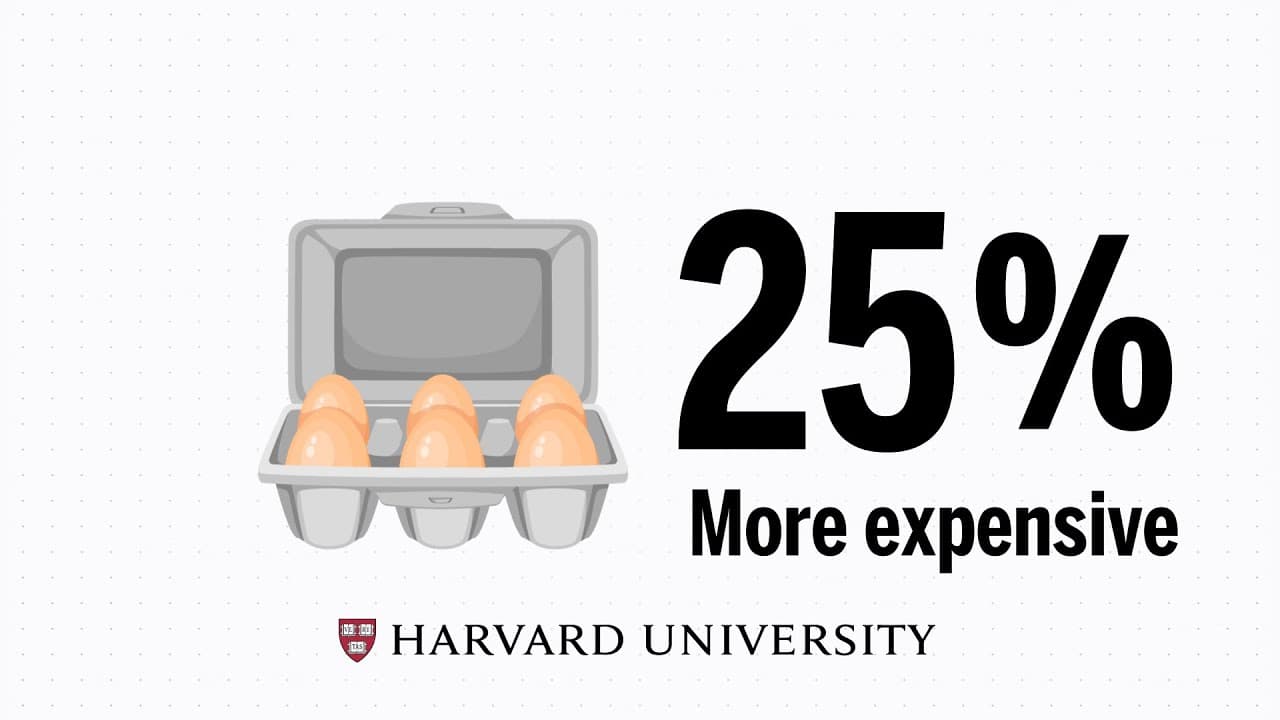
The price increase in bananas, milk, and eggs can be attributed to rising inflation. Inflation is the result of a balance between supply and demand. As the demand for these products rises, and supply faces limitations due to factors like transportation costs, labor shortage, and supply chain bottlenecks, the prices naturally go up.
Q: How did COVID impact meat production and beef prices?
COVID had a significant impact on meat production, leading to a reduction in beef supply and subsequently driving up beef prices. Farmers had to scale back their operations due to COVID-related challenges. The pandemic caused logistical problems, supply chain bottlenecks, and labor shortages, making it harder to produce beef. These supply-side issues, combined with increased demand, have resulted in an 18% increase in the price of a pound of steak.
Q: What is causing the limited supply of goods and services?
Limited supply of goods and services is primarily a result of supply chain disruptions, logistical challenges, and labor shortages. COVID has affected various industries, leading to reduced production capacities. Transportation costs have also increased, making it difficult to distribute goods effectively. These factors, coupled with high demand, contribute to the limited supply and ultimately drive prices up.
Q: How has the rise in oil prices affected overall supply and inflation?
The rise in oil prices has further decreased overall supply and fueled inflation. As the price of oil increases, it affects the production costs of various goods and services, such as transportation and manufacturing. Higher oil prices directly impact the supply chain and raise the prices of commodities. This decrease in supply, combined with increased demand, creates a reinforcing effect that contributes to inflationary pressures.
Q: What is the role of the Federal Reserve in combating inflation?
The Federal Reserve has a critical role in combating inflation by using its main tool, which is adjusting interest rates. When inflation is high, the Federal Reserve may choose to raise interest rates. Higher interest rates reduce demand in the economy as borrowing becomes more expensive. By reducing demand, the economy can be brought back into balance, helping to mitigate inflationary pressures and stabilize prices.
Q: How do higher interest rates reduce demand?
Higher interest rates reduce demand by making borrowing more expensive for businesses and individuals. When interest rates rise, it becomes costlier to take on loans or credit. This, in turn, discourages borrowing for investment or consumption purposes. Reduced borrowing and spending ultimately lead to decreased demand in the economy, helping to address inflationary pressures and prevent excessive price increases.
Q: What other measures can the Federal Reserve take to combat inflation?
Apart from raising interest rates, the Federal Reserve has other options to combat inflation. It can use monetary policy tools such as adjusting reserve requirements or conducting open market operations. By increasing reserve requirements, the Federal Reserve limits the amount of money banks can lend, which reduces the overall money supply and helps curb inflation. Open market operations involve buying government bonds, which decreases the money supply and has a similar effect on inflation.
Q: Can inflation have any positive effects on the economy?
Moderate inflation can have some positive effects on the economy. It encourages spending and investment as consumers and businesses anticipate rising prices. Inflation can also help reduce the real burden of debt, making it easier for borrowers to repay loans. Furthermore, some level of inflation can offer flexibility to adjust relative prices, making it easier to allocate resources efficiently. However, high or hyperinflation can be detrimental, leading to instability, loss of purchasing power, and eroding confidence in the economy.
Q: What are the potential drawbacks of raising interest rates to combat inflation?
One potential drawback of raising interest rates to combat inflation is the negative impact on borrowing costs for businesses and consumers. Higher interest rates can discourage investment, leading to reduced economic growth. Additionally, increased borrowing costs can limit consumer spending, affecting industries reliant on consumer demand. Raising interest rates can also lead to a stronger domestic currency, which may harm export competitiveness. Therefore, the timing and magnitude of interest rate adjustments need to be carefully considered to minimize adverse effects.
Q: How long does it usually take for interest rate adjustments to have an impact on inflation?
The exact timing and impact of interest rate adjustments on inflation can vary and depend on a range of factors. Interest rate changes typically take time to influence various sectors of the economy. It may take several months or even longer for the effects to materialize fully. The transmission mechanism involves changes in borrowing costs, spending patterns, and investment decisions, which can take time to permeate through the economy. Therefore, policymakers need to carefully evaluate the dynamics and consider the lagged effects when implementing interest rate adjustments.
Takeaways
Inflation is driven by the balance between supply and demand. Factors such as supply chain disruptions, logistical challenges, and labor shortages limit the supply of goods and services, contributing to rising prices. The rise in oil prices further decreases supply and fuels inflationary pressures. The Federal Reserve combats inflation by using tools like raising interest rates to reduce demand and bring the economy back into balance. While moderate inflation can have positive effects, excessive inflation can be detrimental to the economy.
Read in Other Languages (beta)
Share This Summary 📚
Summarize YouTube Videos and Get Video Transcripts with 1-Click
Try YouTube Summary with ChatGPT & Claude or YouTube Transcript Generator
Explore More Summaries from Harvard University 📚






Summarize YouTube Videos and Get Video Transcripts with 1-Click
Try YouTube Summary with ChatGPT & Claude or YouTube Transcript Generator