Celeste Headlee: 10 ways to have a better conversation | TED
TL;DR
In a highly polarized society, it is crucial to relearn the art of conversation by being present, asking open-ended questions, and truly listening.
Transcript
All right, I want to see a show of hands: how many of you have unfriended someone on Facebook because they said something offensive about politics or religion, childcare, food? (Laughter) And how many of you know at least one person that you avoid because you just don't want to talk to them? (Laughter) You know, it used to be that in order to have ... Read More
Key Insights
- 🤝 The world is becoming increasingly polarized and divided, with people less likely to compromise or listen to each other.
- 📱 Technology, particularly smartphones, has contributed to a decline in face-to-face conversations and interpersonal communication skills.
- 💬 Conversation requires a balance between talking and listening, but many people have lost the skill of active listening.
- 🎙️ A key to having better conversations is to be present and fully engaged, rather than multitasking or half-heartedly participating.
- 🗣️ Don't pontificate or assume that you have all the answers; approach conversations with an open mind and a willingness to learn from others.
- ❓ Use open-ended questions to encourage deeper reflection and more interesting responses from the person you're speaking with.
- 💭 Stay focused on the conversation and avoid getting distracted by unrelated thoughts or experiences. Listening attentively is crucial.
- 🤐 Be brief and give others the chance to share their stories and insights. Show genuine interest in others and be prepared to be amazed by what you learn.
Install to Summarize YouTube Videos and Get Transcripts
Explore YouTube Video Summarizer or Get YouTube Transcript Extractor
Questions & Answers
Q: How can technology contribute to the decline of meaningful conversations?
Technology, such as smartphones, has become a major distraction and impediment to having meaningful conversations. With constant access to social media and messaging apps, people are more likely to text or scroll through their phones instead of engaging in face-to-face conversations. This degrades the quality of interactions and prevents individuals from truly listening to others.
Q: Why is it important to avoid pontification in conversations?
Pontification refers to making statements without allowing others to respond or challenge one's opinions. This hinders the flow of conversation and prevents any meaningful exchange of ideas. By avoiding pontification, individuals can create space for dialogue and understanding, allowing for different perspectives to be explored and potentially leading to personal growth and learning.
Q: What role do open-ended questions play in effective conversations?
Open-ended questions encourage individuals to provide more detailed and thoughtful responses. By starting questions with "who, what, when, where, why, or how," it allows for a broader exploration of a topic, leading to deeper conversations. This technique also shows genuine interest in the other person's experiences and feelings, fostering a sense of connection and understanding.
Q: How does being present contribute to effective conversations?
Being present means fully engaging in the conversation without distractions or preoccupations. It requires actively listening to the other person and showing genuine interest in what they are saying. By being present, individuals can establish a connection and create a safe space for open and honest dialogue. This promotes effective communication and the building of strong relationships.
Summary
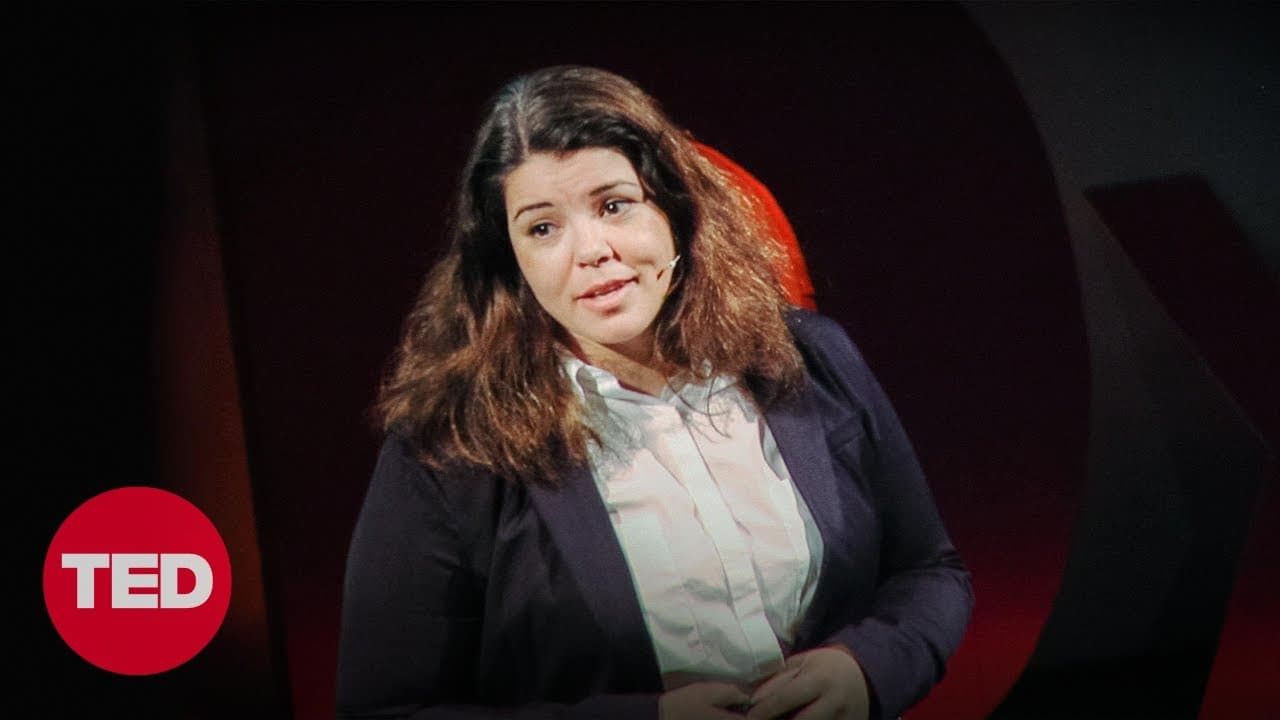
In her TED Talk, radio host Celeste Headlee discusses the importance of having meaningful conversations in a world that increasingly lacks dialogue and listening. She provides 10 basic rules to improve conversations: be present, don't pontificate, assume there's something to learn, use open-ended questions, go with the flow, admit when you don't know something, avoid equating experiences, don't repeat yourself, stay focused on the main points, and most importantly, listen. Headlee emphasizes the significance of listening and being genuinely interested in others, as it can lead to more engaging and fulfilling conversations.
Questions & Answers
Q: How does Headlee describe the current state of conversations?
Headlee states that conversations in today's world have the potential to devolve into arguments, and people often avoid engaging with those whose opinions they disagree with. She highlights the increasing polarization and division in society, where people are less likely to compromise and make decisions based on pre-existing beliefs.
Q: According to Pew Research, what did a study on American adults reveal?
The study found that American adults are currently more polarized and divided than ever before in history. It reveals a lack of willingness to compromise and a tendency to base important decisions, such as choosing friends or life partners, on existing beliefs. This demonstrates a clear lack of listening to one another.
Q: How does Headlee link the imbalance in conversation to technology?
Headlee attributes part of the conversation imbalance to the use of technology, particularly smartphones. She mentions that American teenagers, for example, send a significant number of texts each day and rely more on texting than face-to-face conversations. This reliance on screens and lack of interpersonal communication hinders the development of conversational skills.
Q: What is mentioned to reinforce the significance of conversational competence?
The Atlantic article by high school teacher Paul Barnwell is referenced to shed light on the importance of teaching conversational skills. Barnwell emphasizes that although young people engage with ideas and each other through screens, they rarely have the opportunity to refine their interpersonal communication skills. Conversational competence is referred to as a vital 21st-century skill.
Q: What kind of people does Headlee mention that she talks to?
Headlee mentions that she talks to a wide range of people, including those she likes, those she dislikes, and even those she deeply disagrees with on a personal level. She exemplifies having great conversations with people from diverse backgrounds and viewpoints.
Q: Why does Headlee encourage listeners to forget certain pieces of advice about conversation skills?
Headlee suggests forgetting advice such as looking the person in the eye, nodding, smiling, or summarizing what one hears. She dismisses these suggestions as unnecessary if one is genuinely paying attention and engaged in the conversation.
Q: What does Headlee propose as an alternative to the recommended conversation skills?
Instead of the typical advice, Headlee shares the skills she uses as a professional interviewer, which aid in being a better conversationalist. These skills involve learning how to interview people effectively, have engaging conversations without wasting time or getting bored, and avoid offending others.
Q: How does Headlee describe the kind of conversations we've all had?
Headlee describes great conversations as those in which participants feel engaged, inspired, or deeply understood. She believes that most interactions have the potential to be like these conversations.
Q: How many basic rules does Headlee offer to improve conversations?
Headlee presents 10 basic rules as guidelines to enhance conversations, but she emphasizes that mastering even one of them can significantly improve one's conversational skills.
Q: What is the most important rule for better conversations, according to Headlee?
The most important rule for better conversations, according to Headlee, is to actively listen. She highlights the importance of genuine listening, quoting Buddha who said, "If your mouth is open, you're not learning." Stephen Covey's statement about listening, and Calvin Coolidge's observation about listening and job security also support the idea that listening is crucial.
Takeaways
In her TED Talk, Celeste Headlee emphasizes the need for meaningful conversations in a world marked by division and lack of listening. She provides 10 basic rules, including being present, asking open-ended questions, and, most importantly, actively listening. Headlee encourages individuals to approach conversations with a willingness to learn and be surprised by others' perspectives. By following these guidelines, people can have more fulfilling and engaging conversations, fostering understanding and connection.
Summary & Key Takeaways
-
Society is more divided than ever before, with conversations turning into arguments due to political and social issues.
-
Technology and constant distractions have led to a lack of true listening and meaningful conversations.
-
Ten rules for effective conversation include being present, avoiding pontification, using open-ended questions, going with the flow, and being brief.
Read in Other Languages (beta)
Share This Summary 📚
Summarize YouTube Videos and Get Video Transcripts with 1-Click
Try YouTube Summary with ChatGPT & Claude or YouTube Transcript Generator
Explore More Summaries from TED 📚




Summarize YouTube Videos and Get Video Transcripts with 1-Click
Try YouTube Summary with ChatGPT & Claude or YouTube Transcript Generator