Bioinspired Robotics: Smarter, Softer, Safer
TL;DR
Soft robotics integrates principles from biology and artificial intelligence to create adaptable, safer robots that can perform tasks traditional robots cannot. These robots utilize soft materials to enhance their interaction with humans and natural environments, and they hold promise for applications in rehabilitation and manufacturing through cooperative design.
Transcript
if I asked you to close your eyes and think about a robot maybe you envision something like this maybe we want to think about robotics from a different perspective robotics as a field really started in industrial settings where very precise and fast motion was needed those same technologies are not really suitable for interacting with people when w... Read More
Key Insights
- 🤖 Soft robotics combines the fields of AI and biology to create safer, adaptable robots inspired by nature.
- 🤖 Soft robots are smaller, safer, and can perform tasks traditional robots cannot.
- 🙈 Understanding and replicating cooperation seen in swarms in nature is a key challenge in soft robotics.
- 💆 Soft robotics has the potential to revolutionize manufacturing by mass manufacturing simple components that can cooperate to create complex structures.
- 🍦 Soft robotics can enhance and augment the abilities of healthy individuals as well as assist those with physical disabilities.
- 😒 The use of soft materials in robotics allows for greater flexibility and force application, providing potential assistance in rehabilitation and injury recovery.
- 🍦 Core ideas in soft robotics include autonomy, sensing technologies, and the development of softer and smaller robots.
Install to Summarize YouTube Videos and Get Transcripts
Explore YouTube Video Summarizer or Get YouTube Transcript Extractor
Questions & Answers
Q: How does soft robotics differ from traditional robotics?
Soft robotics focuses on creating robots that are safer to interact with, adaptable to natural environments, and have compliance and flexibility similar to biological systems. Traditional robotics, on the other hand, is more suited for precise and fast motion in industrial settings.
Q: How does soft robotics draw inspiration from biology and nature?
Soft robotics looks at design principles in nature, biomechanics, materials, and algorithms used in biological systems. By implementing or interacting with these principles, soft robots can replicate and leverage the capabilities of natural organisms.
Q: What are some potential applications of soft robotics?
Soft robotics opens up possibilities for various applications. For example, the Robo beast project aims to create a colony of autonomous robots with each component reinvented for specific purposes. Other potential applications include swarm robotics for tasks like construction or monitoring environments like coral reefs.
Q: How can soft robotics benefit people with disabilities?
Soft robotics presents a new approach to designing wearable robotic components using soft materials. These components can apply forces to assist individuals with disabilities without the restrictions associated with rigid devices, improving their quality of life.
Summary
This video discusses the concept of robotics from a different perspective, focusing on the field of bio-robotics and its combination of body and brain. It explores the idea of leveraging design principles and algorithms found in nature to build robots that interact with and implement these principles. The goal is to create safer, more adaptable robots capable of performing tasks that traditional robots cannot. The video also highlights the potential of cooperative robotic systems and the use of soft materials in wearable robotics to assist individuals with disabilities. The overarching aim of robotics is to enable humans and robots to coexist and coordinate for mutual benefit.
Questions & Answers
Q: How did the field of robotics originate?
The field of robotics initially originated in industrial settings where precise and fast motion was required.
Q: Why are traditional robotics technologies not suitable for interacting with humans?
Traditional robotics technologies used in industrial settings are not suitable for interacting with humans due to their lack of safety and adaptability.
Q: What is bio-robotics?
Bio-robotics is a field that combines artificial intelligence and the concept of body-brain integration, drawing inspiration from biology to create robots that mimic natural phenomena.
Q: How can design principles from nature be applied to robotics?
Design principles from nature can be applied to robotics by either implementing these principles in robots or using them as a basis for interaction with robotic systems.
Q: What aspects of nature are examined in bio-robotics?
Bio-robotics examines various aspects of nature, including humans, biomechanics, materials, and algorithms, to gain a better understanding of how biological systems achieve intelligence and adaptability.
Q: What advantages do soft robots have over traditional robots?
Soft robots, due to their compliance, size, and ability to adapt to natural environments, are inherently safer to interact with and can perform tasks that are either difficult or impossible for traditional robots.
Q: Can you provide an example of a project that aims to create autonomous robotic systems?
The Robo Beast project is focused on creating a colony of autonomous robots where no off-the-shelf components are used, requiring the reinvention of every aspect of the robot.
Q: How does nature inspire cooperation in robotics?
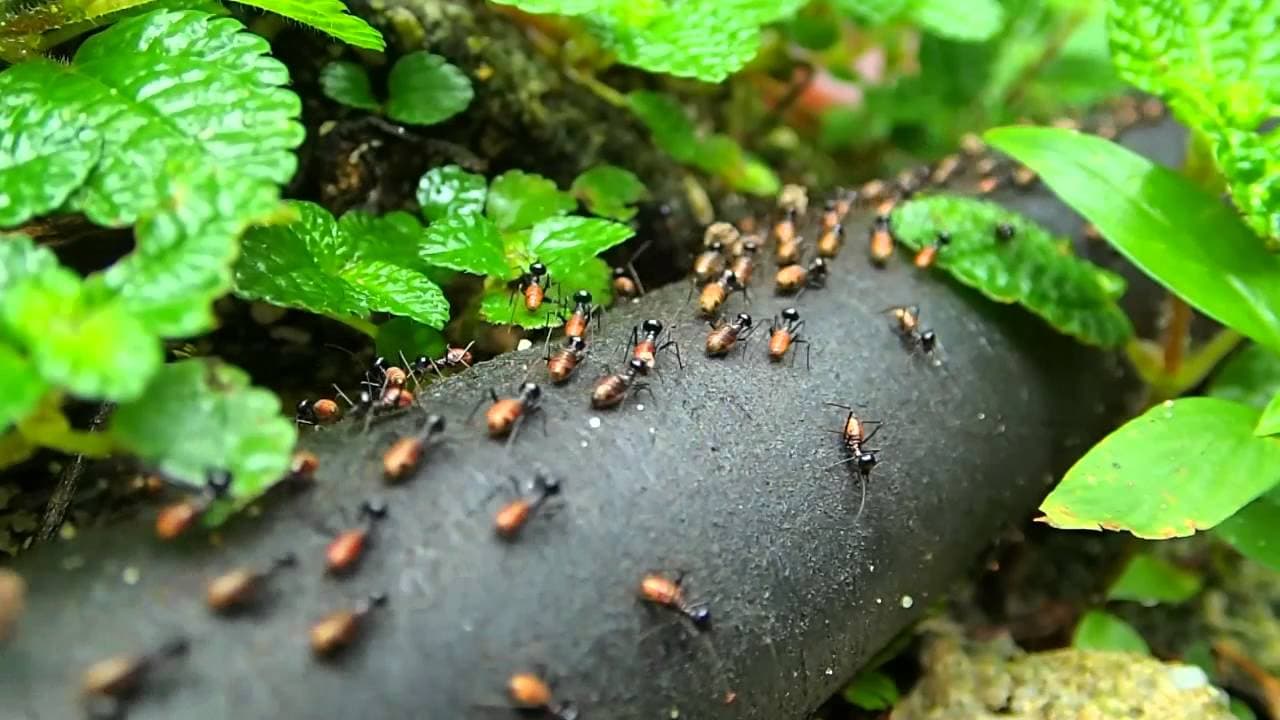
Many researchers in robotics are inspired by the ability of biological systems, such as swarms or ant colonies, to cooperate and achieve complex tasks. The goal is to create robotic systems capable of similar cooperative behavior.
Q: What is the significance of algorithmic understanding in decentralized robotic systems?
Algorithmic understanding is essential in decentralized robotic systems to ensure large-scale collectives can work together despite individual faults or low capabilities. This allows for scalability and adaptability in robotic systems.
Q: How does the concept of cooperative robots serving as manufacturing technology work?
Cooperative robots operating as manufacturing technology enable mass manufacturing of simple components that can then cooperate to create complex structures or tasks. This allows for efficient production with a high level of complexity.
Q: What is the ultimate goal of robotics research?
The ultimate goal of robotics research is to create a coexistence and coordination between humans and robots, where both parties can benefit from the collaboration. The aim is to blur the line between person and robot, creating profound impacts on people's lives in the future.
Takeaways
The field of bio-robotics offers a different perspective on robotics, combining the principles of AI and body-brain integration. By drawing inspiration from nature, robotics researchers are able to develop safer, adaptable robots that can perform tasks traditionally difficult for industrial robots. Cooperative robotic systems, inspired by natural phenomena, present opportunities for achieving complex tasks and monitoring various environments. Soft robotics, utilizing flexible materials, can revolutionize wearable robotics for individuals with disabilities. Overall, robotics research focuses on improving autonomy, sensing technologies, and the safety of robots, leading to a future where humans and robots interact in ways previously unimaginable.
Summary & Key Takeaways
-
Robotics originated in industrial settings but is now being reimagined for interactions with humans through the field of soft robotics.
-
Soft robotics draws inspiration from biology and nature, focusing on design principles, biomechanics, materials, and algorithms.
-
Soft robots are inherently safer to interact with, adaptable to natural environments, and can perform tasks difficult or impossible for traditional robots.
Read in Other Languages (beta)
Share This Summary 📚
Summarize YouTube Videos and Get Video Transcripts with 1-Click
Try YouTube Summary with ChatGPT & Claude or YouTube Transcript Generator
Explore More Summaries from Harvard University 📚





Summarize YouTube Videos and Get Video Transcripts with 1-Click
Try YouTube Summary with ChatGPT & Claude or YouTube Transcript Generator