What Are the Two Systems of Thinking in Our Brains?
TL;DR
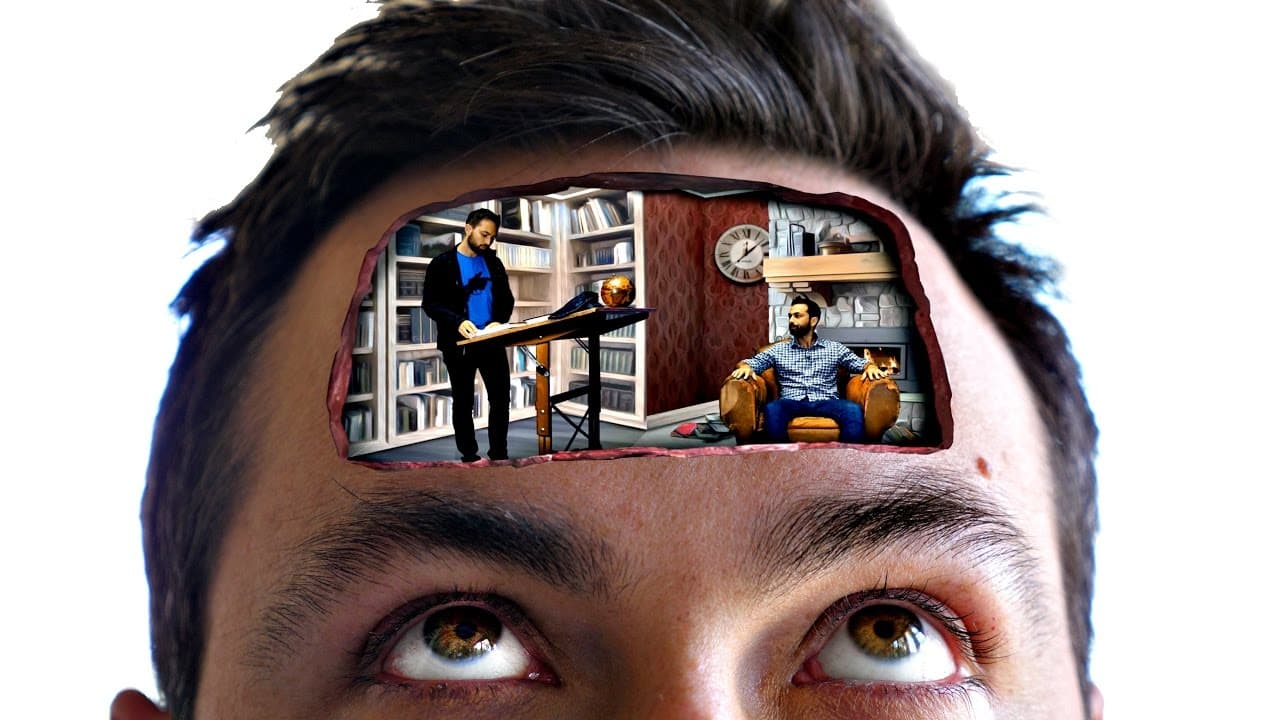
Our brains operate using two systems: System One, which is automatic and quick, often leading to errors, and System Two, which is conscious and effortful, capable of fixing those mistakes. Engaging System Two repeatedly is essential for learning and expertise, as it helps to build and automate knowledge despite the discomfort of thinking.
Transcript
For most of us, thinking is at least somewhat unpleasant. We try to avoid it, where possible. For example: I asked these guys how long does it take for the earth to go around the Sun. - What do you reckon, cuz? - Isn't it 24 hours ?
- Obviously a day, yes. Or take this problem which has been given to thousands of college students. You go into a toy... Read More
Key Insights
- 🤔 Many people avoid thinking because it is uncomfortable and requires effort, leading to mistakes and blind spots in our thinking.
- 🧠 Our brain operates with two systems: system one (automatic, quick, and unconscious) and system two (conscious and effortful).
- 🐢 System one is prone to errors and biases, while system two is slower but capable of catching and fixing mistakes.
- 💍 Learning and expertise require actively engaging system two and repeatedly practicing to automate knowledge.
- 💦 Pupillary response can indicate the effortful work of system two, with more difficult tasks causing pupil dilation.
- 😒 Advertising often uses confusion to engage system two and increase attention to the message.
- 💁 Education is shifting from lectures to interactive formats that engage system two and improve learning outcomes.
Install to Summarize YouTube Videos and Get Transcripts
Explore YouTube Video Summarizer or Get YouTube Transcript Extractor
Questions & Answers
Q: Why do many people avoid thinking?
Thinking can be uncomfortable and requires effort, leading people to avoid it. It is easier to rely on automatic, quick thinking (system one) even if it leads to mistakes.
Q: What are the differences between system one and system two?
System one is fast, unconscious, and automatic, while system two is slower, conscious, and effortful. System one processes information quickly and often leads to errors, while system two can catch and fix mistakes.
Q: How can we improve our thinking and problem-solving abilities?
By actively engaging system two and putting in deliberate and effortful practice, we can improve our thinking skills and avoid common errors. This involves questioning assumptions, checking our answers, and challenging automatic responses.
Q: Why do students often struggle with lectures?
Lectures can overwhelm system two's limited capacity for novel information. Instead, interactive formats that require active engagement, such as workshops and peer instruction, help students learn better by making system two work harder.
Summary & Key Takeaways
-
Many people avoid thinking because it is uncomfortable and requires effort, leading to mistakes and blind spots in our thinking.
-
Our brain has two systems: system one (automatic, quick, and unconscious) and system two (conscious and effortful).
-
System one is prone to errors, while system two is slower but can catch and fix mistakes.
-
Learning and expertise require engaging system two actively and repeatedly to build and automate knowledge.
Read in Other Languages (beta)
Share This Summary 📚
Summarize YouTube Videos and Get Video Transcripts with 1-Click
Try YouTube Summary with ChatGPT & Claude or YouTube Transcript Generator
Explore More Summaries from Veritasium 📚





Summarize YouTube Videos and Get Video Transcripts with 1-Click
Try YouTube Summary with ChatGPT & Claude or YouTube Transcript Generator