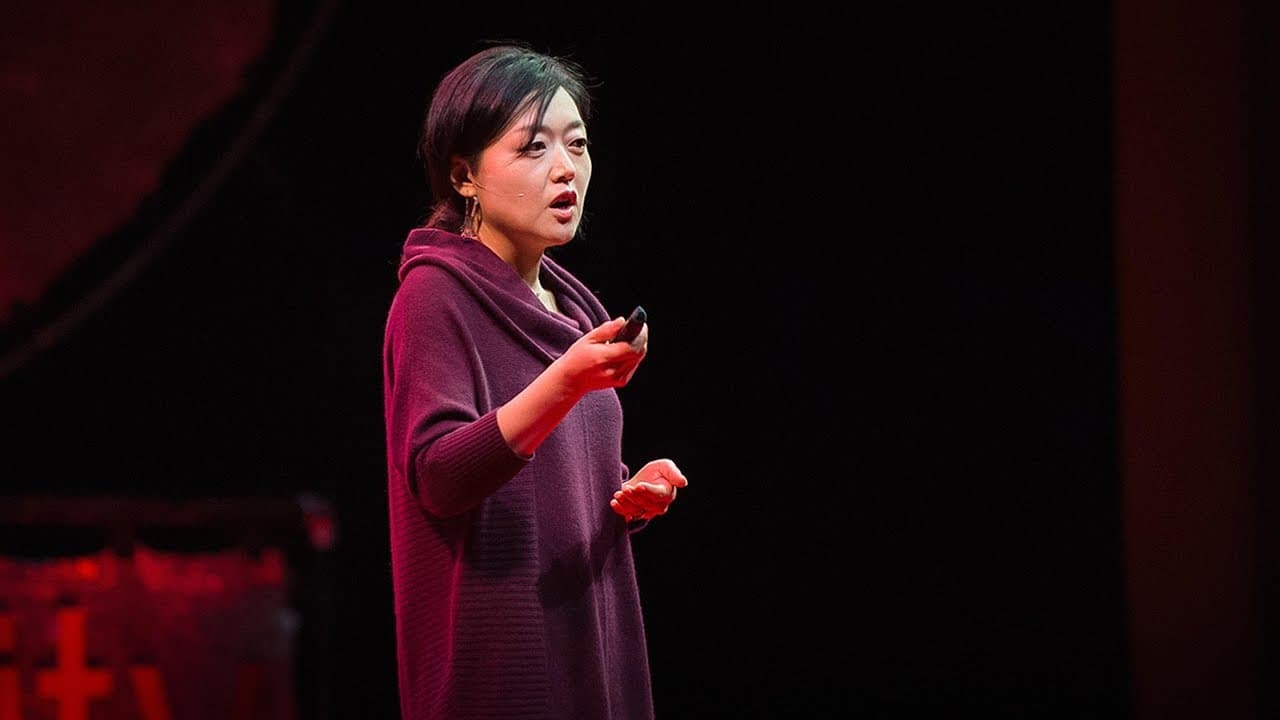
What I learned as a prisoner in North Korea | Euna Lee
TL;DR
Euna Lee's 140-day detention in North Korea taught her the importance of seeing humanity in those perceived as enemies. Through shared experiences and small acts of kindness from her captors, she realized that mutual understanding transcends political ideologies. This perspective challenges us to empathize with individuals, even amidst geopolitical tensions.
Transcript
Transcriber: Joseph Geni Reviewer: Camille Martínez I recently read about what the young generation of workers want in Harvard Business Review. One thing that stuck out to me was: don't just talk about impact, but make an impact. I'm a little bit older than you, maybe much older than you, but this is exactly the same goal that I had when I was in c... Read More
Key Insights
- 🌎 Young workers want to make an impact, not just talk about it. What they desire is not so different from what older generations strive for.
- 👥 The speaker, a documentary journalist, found herself in a dangerous situation while making a film about North Korean refugees. This shows the risks and sacrifices journalists may face to shed light on important issues.
- ⚠️ The speaker's experiences in North Korea challenge her preconceived notions of the country, highlighting the dangers of dehumanizing an entire population based on propaganda and stereotypes.
- 🤝 Kind gestures from her captors, like offering her a boiled egg, humanized them in the speaker's eyes and challenged her assumptions. It is a reminder that even in the midst of conflict, individuals can still show compassion and kindness.
- 💔 The speaker's experience with the North Korean guards made her question her own biases and forced her to see them as fellow human beings, rather than just enemies. It serves as a powerful lesson about empathy and finding common ground.
- 🤔 Stockholm Syndrome is mentioned as a way to explain the speaker's ability to see her captors as humans. While there was still a divide, they were able to connect on a personal level and see beyond their ideological differences.
- 🔒 The speaker's detention and interactions with the guards reveal the psychological toll and daily battles that she faced. It provides insight into the conditions and experiences of being held captive in North Korea.
- ✨ The speaker's final reflection on the blurred memory of her captors and the current tensions between North Korea and the US reminds us of the importance of seeing the humanity in others, even in the face of political conflict. It serves as a call to resist the tendency to revert to seeing others as enemies.
Install to Summarize YouTube Videos and Get Transcripts
Explore YouTube Video Summarizer or Get YouTube Transcript Extractor
Questions & Answers
Q: What was the reason that the speaker became a documentary journalist?
The speaker became a documentary journalist because she wanted to make an impact for those who live under injustice.
Q: What happened to the speaker on March 17, 2009?
On March 17, 2009, the speaker and her team were detained by North Korean soldiers while filming a documentary about North Korean refugees in China.
Q: How did the speaker feel towards North Korea before her detention?
The speaker grew up in South Korea and was taught propaganda about North Korea, leading her to dehumanize the people of North Korea and see them as enemies.
Q: How did the speaker's perception of the North Korean people change during her detention?
During her detention, the speaker had several encounters with North Korean guards who displayed kindness towards her, which made her realize that they were human beings just like her.
Q: How did the speaker's boss react when she shared her stories about her detention in North Korea?
The speaker's boss at Current TV asked if she had heard of Stockholm Syndrome, referring to the psychological phenomenon where hostages develop positive feelings towards their captors.
Q: How did the speaker see the North Korean guards as human beings?
Despite their ideological differences and being on opposite sides, the speaker and the North Korean guards were able to see each other as human beings when they talked about family, everyday life, and the future.
Q: How does the speaker remind herself to see the North Koreans as humans rather than enemies?
The speaker reminds herself of the humanity she witnessed in her captors' eyes and the kindness shown by the North Korean guards and officers she encountered during her detention.
Q: What does the speaker believe she and the North Koreans represented while in North Korea?
The speaker believes that she and the North Koreans represented the human race, rather than being ambassadors of their respective countries.
Summary
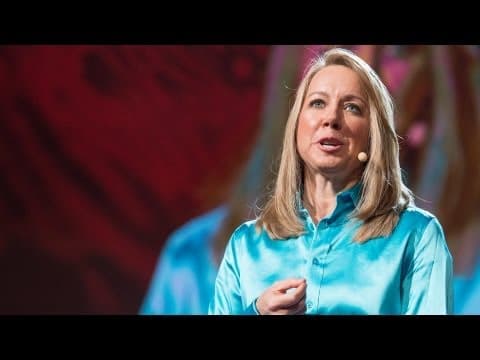
In this video, Euna Lee, a former prisoner in North Korea, shares her experience of being arrested and detained in the country while on a documentary assignment. She reflects on her preconceived notions about North Korea and the people she encountered during her captivity, emphasizing the importance of seeing the humanity in others, even in the face of adversity.
Questions & Answers
Q: What was the motivation behind Euna Lee's career as a documentary journalist?
Euna Lee became a documentary journalist because she wanted to make an impact and stand up for those who live in unjust conditions, particularly North Korean refugees in China.
Q: Can you describe the events that led to Euna Lee's imprisonment in North Korea?
Euna Lee and her team were filming a documentary about North Korean refugees when they were chased and apprehended by North Korean soldiers. Euna managed to reach Chinese soil but couldn't leave her colleague behind, ultimately leading to their capture.
Q: How did Euna Lee's perception of North Korea change during her detention?
Prior to her detention, Euna grew up in South Korea where she was exposed to propaganda that portrayed North Korea as the enemy. However, during her time in North Korea, she had unexpected encounters that humanized the guards and challenged her preconceived notions.
Q: What were some of the "odd experiences" Euna Lee had during her detention in North Korea?
While detained, Euna received acts of kindness from the guards, including one who offered her a boiled egg and another who brought her a coat to keep warm. These acts surprised her, as she had expected the worst from her captors.
Q: How did Euna Lee cope with the psychological challenges during her detention?
Euna was subjected to daily interrogations where she was forced to write a confession. The psychological battle was intense, but she found solace in finding common ground with the guards by discussing everyday life, family, and the future.
Q: What did Euna Lee discover about the guards during her detention?
Euna observed that the guards had their own interests and passions, just like anyone else. They discussed topics like English, singing, and TV shows. Euna realized that they were individuals with their own desires and dreams, which helped her see their humanity.
Q: How did Euna Lee's perception of North Koreans change after her detention?
Euna realized that her preconceived notions of North Koreans as enemies were flawed. By seeing the guards as individuals, she understood that their anger and hatred stemmed from growing up in a society that painted her as the enemy.
Q: How did Euna Lee's boss react when she shared her experiences with him?
Euna's boss at Current TV mentioned Stockholm Syndrome, a psychological response where hostages develop positive feelings toward their captors. While Euna acknowledged the fear and tension, she also saw the shared humanity she experienced with the guards outside of political discussions.
Q: What did Euna Lee learn from her encounter with Guard B before leaving North Korea?
Before Euna returned home, Guard B, who had shown her kindness and curiosity about life outside of North Korea, quietly wished her well and hoped for her speedy return to her family. This reaffirmed Euna's belief in seeing the humanity in others.
Q: How does Euna Lee reflect on her experience now that she is back home?
Euna acknowledges that as time passes, her memories of the people she encountered in North Korea have blurred. She faces the challenge of not falling back into seeing North Korea as an enemy, instead reminding herself of the humanity she witnessed firsthand.
Takeaways
Euna Lee's story reminds us of the importance of seeing the humanity in others, even in difficult circumstances. It challenges our preconceived notions and urges us to look beyond our differences to connect on a shared level. It shows that by finding common ground and understanding each other's perspectives, we can foster empathy and break down the barriers that divide us.
Summary & Key Takeaways
-
The speaker recalls her experience as a documentary journalist and her detention in North Korea for 140 days.
-
She reflects on her initial perception of North Koreans as enemies and how her interactions with them humanized them in her eyes.
-
The speaker emphasizes the importance of seeing humanity over hatred, even in the face of political tensions.
Read in Other Languages (beta)
Share This Summary 📚
Summarize YouTube Videos and Get Video Transcripts with 1-Click
Try YouTube Summary with ChatGPT & Claude or YouTube Transcript Generator
Explore More Summaries from TED 📚
Summarize YouTube Videos and Get Video Transcripts with 1-Click
Try YouTube Summary with ChatGPT & Claude or YouTube Transcript Generator