Molly Wright: How every child can thrive by five | TED
TL;DR
Adults can help children thrive by focusing on five key actions: connecting, talking, playing, providing a healthy home, and fostering community. These interactions, known as serve and return, are crucial for a child's brain development and mental health, as they create vital neural connections. Engaging with children early and often significantly influences their future, helping them build essential life skills.
Transcript
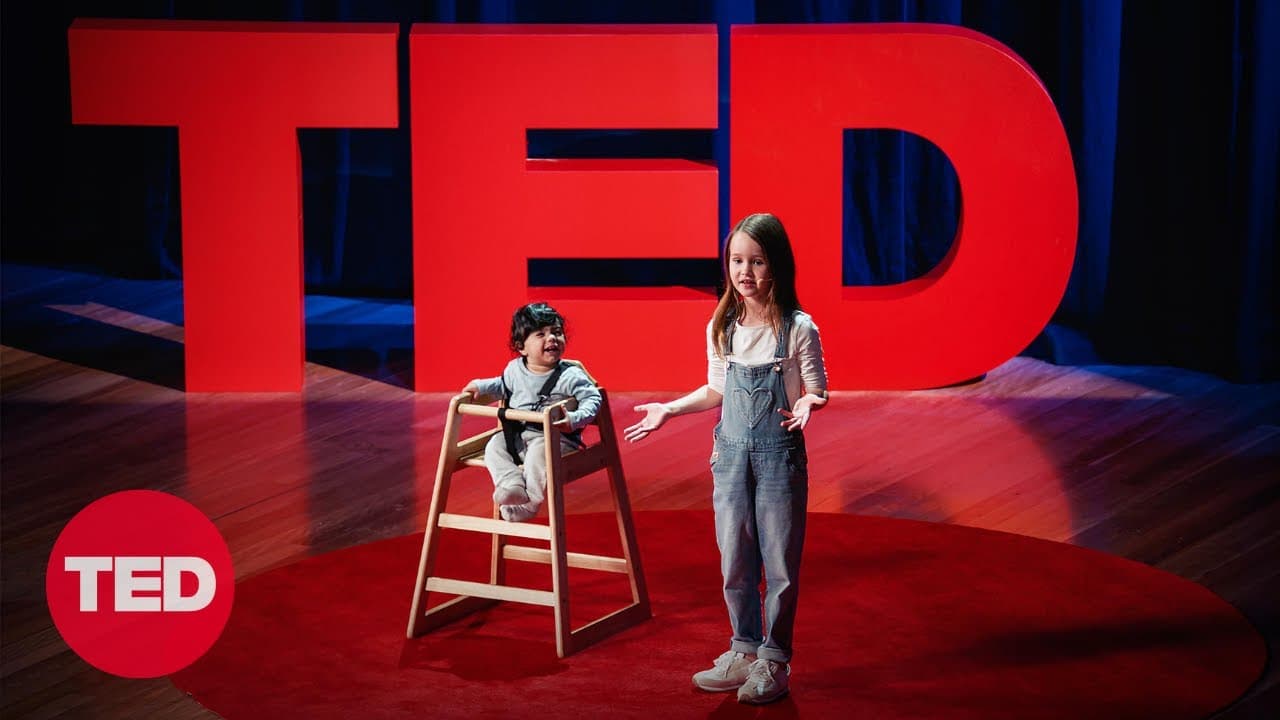
Transcriber: Ivana Korom Reviewer: [Baby cooing] What if I was to tell you that a game of peekaboo could change the world? Sounds impossible, right? Well, I’m here today to prove it’s not. Hi, I’m Molly and I’m seven. And this is my little friend, Ari. Say “Hi,” Ari. Hi. Oh, and this is my neighbor, Amarjot. He has to take Ari away now to get read... Read More
Key Insights
- 👧🏻 The first five years of a child's life are crucial for their health and development, especially their brains.
- 🧠 Our brains develop rapidly during our early years, creating up to one million neural connections every second.
- 💡 The top five things that contribute to healthy development are connecting, talking, playing, a healthy home, and community.
- 👥 Serve and return, or connecting, talking, and playing with children, is essential for their mental health, relationships, and acquisition of important life skills.
- 📱 Not receiving meaningful connections from adults, such as when they are engrossed in their devices, can cause confusion and stress for children.
- 💔 The absence of meaningful connections can make it difficult for a child to feel calm, safe, and trusting, which can have lifelong impacts.
- 🌟 Positive relationships with adults give children the confidence to explore, try new things, and be themselves.
- 🌍 If everyone everywhere prioritizes serve and return interactions from the very beginning, it can have a significant impact on children's futures and shape a better world.
Install to Summarize YouTube Videos and Get Transcripts
Explore YouTube Video Summarizer or Get YouTube Transcript Extractor
Questions & Answers
Q: How does a child's brain develop in the first five years?
In the first five years, a child's brain develops rapidly, creating up to one million neural connections every second. This period is crucial for brain development and sets the foundation for their future cognitive, emotional, and social abilities.
Q: What are the top five things that support healthy brain development in children?
The top five things that support healthy brain development in children are connecting with others, talking, playing, having a healthy home environment, and being part of a supportive community. These factors contribute to a child reaching their full potential and developing both physically and mentally.
Q: How does serve and return, or connect, talk, and play, influence a child's development?
Serve and return interactions, which involve connecting, talking, and playing with children, have a significant impact on their development. These interactions help build and strengthen relationships, improve mental health, and teach essential life skills such as making friends, taking tests, finding employment, and starting a family later in life.
Q: What happens when meaningful connections are lacking in a child's life?
When meaningful connections are lacking, children may experience confusion and stress. They may struggle to feel calm, safe, and trust others. Positive relationships with adults give children the confidence they need to explore, try new things, and enjoy their childhood, while the absence of these connections can have lifelong impacts.
Q: How can adults support a child's development in the first five years?
Adults can support a child's development by engaging in serve and return interactions, connecting, talking, and playing with them. These activities help build a strong foundation for future success and positively impact a child's cognitive, emotional, and social well-being.
Q: Why is the first five years of a child's life so important for their future development?
The first five years of a child's life are crucial because this is when their brain develops at its fastest rate, creating numerous neural connections. By providing meaningful interactions, adults can shape a child's future by fostering their cognitive abilities, emotional well-being, and social skills. These early years set the stage for a child's overall development and success in life.
Summary
In this video, Molly, a seven-year-old girl, explains how simple interactions and games during the first five years of a child's life can have a profound impact on their development. She mentions the importance of connecting, talking, playing, having a healthy home, and being part of a community. Molly emphasizes the concept of "serve and return," which involves adults connecting, talking, and playing with children. She highlights the benefits of games like peekaboo in building memory, trust, empathy, and vocabulary. Molly concludes by urging adults to prioritize meaningful connections with children, as it shapes their future.
Questions & Answers
Q: What is Molly's message in the video?
Molly's message is about the power of simple interactions and games in shaping a child's development during the first five years. She emphasizes the importance of connecting, talking, playing, and creating a healthy home and community for children.
Q: Why does Molly believe the first five years are crucial for a child's health and development?
Molly points out that scientific research has shown that the first five years of a child's life are crucial for their health and development, especially their brains. During this period, a child's brain develops rapidly, creating up to one million neural connections per second. This period sets the foundation for a child's future growth and potential.
Q: What are the top five things that contribute to a child's healthy development?
The top five things that contribute to a child's healthy development, according to Molly, are: connecting, talking, playing, having a healthy home environment, and being part of a supportive community. These factors help children reach their full potential and optimize brain development.
Q: What does Molly mean by "serve and return"?
Molly explains that "serve and return" is a term used by scientists to describe the concept of connecting, talking, and playing with children. It involves adults engaging in interactions with children, responding to their cues, and actively participating in activities that promote their development. "Serve and return" builds strong relationships, strengthens mental health, and teaches important life skills.
Q: How do copycat games, like the ones mentioned by Molly, contribute to a child's development?
Copycat games, as demonstrated by Amarjot and Ari, help build imagination and empathy in children. When children imitate the actions and behaviors of adults, they learn to understand and empathize with others. These games also encourage social interaction and facilitate the development of important skills such as communication and emotional intelligence.
Q: What role does play, such as peekaboo, have in a child's development?
According to Molly, play, including games like peekaboo, plays a vital role in a child's development. Peekaboo, for example, helps build memory and trust. It involves anticipation, surprise, and the ability to remember and predict. Through such games, children develop cognitive abilities, learn emotional regulation, and strengthen their bonds with others.
Q: How does the absence of meaningful connections affect a child's well-being?
Molly demonstrates that when the connection between a child and an adult is taken away, it can lead to confusion and stress for the child. She shows how Ari becomes upset and tries to regain his father's attention. Lack of meaningful connections can make it challenging for a child to feel calm, safe, and develop trust. It can have long-lasting impacts on a child's well-being and ability to form relationships in the future.
Q: What impact do positive relationships with adults have on children?
Positive relationships with adults, according to Molly, give children the confidence to try new things, explore, and be themselves. These relationships provide the support and encouragement children need to develop important life skills, make friends, overcome challenges, and navigate their journey into adulthood. Positive relationships with adults foster a sense of security and create a nurturing environment for children to thrive.
Q: What is Molly's call to action?
Molly's call to action is for adults to prioritize meaningful connections with children, especially during the first five years of their lives. She urges adults to engage in "serve and return" interactions by connecting, talking, and playing with children early and often. This, she believes, can make a significant difference in shaping a child's future and creating a positive impact on society as a whole.
Q: How does Molly conclude her talk?
Molly concludes her talk by highlighting the importance of simple games like peekaboo and how they can change the world when coupled with meaningful connections. She encourages everyone to realize the potential impact they can make by engaging in these interactions and creating a nurturing environment for children. She emphasizes that investing in the development of children is essential for shaping a better future.
Takeaways
The video emphasizes the significance of the first five years in a child's life and the impact that simple interactions can have on their development. It underscores the importance of connecting, talking, and playing with children to support their healthy brain development and overall well-being. The concept of "serve and return" promotes the understanding that investing in meaningful connections with children early and often can shape their future success and contribute to a more positive and compassionate society. The video urges adults to prioritize these interactions and highlights the lifelong benefits they can bring, from building relationships to acquiring essential life skills.
Summary & Key Takeaways
-
Molly, a seven-year-old, discusses the powerful influence that adults have on shaping children's lives through connection, talking, and playing.
-
Molly explains the crucial role of the first five years in a child's development and emphasizes the importance of building neural connections in those early years.
-
Molly highlights the significance of serve and return interactions, demonstrating how games like peekaboo can develop imagination, empathy, vocabulary, attention, memory, and trust.
Read in Other Languages (beta)
Share This Summary 📚
Summarize YouTube Videos and Get Video Transcripts with 1-Click
Try YouTube Summary with ChatGPT & Claude or YouTube Transcript Generator
Explore More Summaries from TED 📚






Summarize YouTube Videos and Get Video Transcripts with 1-Click
Try YouTube Summary with ChatGPT & Claude or YouTube Transcript Generator