Paul Buchheit - Startup Investor School Day 2
TL;DR
Successful startup investing relies on recognizing that art often trumps science. Key traits of promising founders include determination, communication skills, and the ability to seize overlooked opportunities, even those seen as risky or implausible. Learning from both successes and failures helps investors refine their strategies and enhance their decision-making.
Transcript
meeting founders and making decisions is way more of an art than a science and as Dalton says unfortunately in this game I think you have to lose some money before you can really become an expert as much as anyone is an expert at at at answering the questions you need to answer to make an investment the the next person who's about to come up has mo... Read More
Key Insights
- 🤔 Meeting founders and making investment decisions is more of an art than a science, and experience plays a crucial role in becoming an expert in the field.
- 🛰️ The live stream of the event was facing technical difficulties, but all slides and transcripts will be available on the website within 24 hours.
- 👥 Paul Buchheit, an experienced investor and the inventor of Gmail, is going to discuss the importance of investing in products that people genuinely like and are excited to share.
- 💡 The most successful investments often come from ideas that look bad initially and are overlooked by big companies, as they tend to be viewed as unimportant or unprofitable.
- 💡 Finding and investing in great founders is crucial, as they possess clear communication skills, determination, and the ability to attract top talent.
- ️ Moving fast is a key trait seen in successful founders, as it allows them to iterate and test their ideas more quickly than their competitors.
- 💰 Investing based on a good deal or impressive numbers alone can lead to poor outcomes, as having the right founder and idea are more important.
- 💼 Investing in diverse fields, such as bio and hard tech, can be fruitful if the founders demonstrate expertise, determination, and a clear plan for creating value.
- 📈 Don't be afraid to invest in ideas that seem implausible or ambitious, as long as the founders can clearly communicate their vision and plan.
- ✅ Use a checklist to evaluate founders, focusing on traits such as determination, clear communication, ability to accomplish a lot with limited resources, and the capacity to attract top talent.
Install to Summarize YouTube Videos and Get Transcripts
Explore YouTube Video Summarizer or Get YouTube Transcript Extractor
Questions & Answers
Q: How does the speaker define a great founder and what traits does he look for when investing?
The speaker defines a great founder as someone who possesses clear and concise communication skills, moves fast, accomplishes a lot with a little, has an implausibly ambitious or frivolous idea, attracts talent, and makes something that people want. He looks for determination and commitment in founders, as well as the ability to communicate complex ideas easily.
Q: How does the speaker determine a startup's potential for success, especially in industries like biotech where demand is apparent?
In industries like biotech, the demand for products or services may be apparent. The speaker focuses on the founders' ability to create the product and their track record in the field. He also emphasizes the importance of having a great team and the potential for creating value, rather than just exploiting temporary market inefficiencies.
Q: How does the speaker evaluate determination when considering investment opportunities?
The speaker evaluates determination by probing into the founders' commitment to their startup. He looks for signs of hedging or conditions on leaving their current jobs, as well as their willingness to take risks and move quickly. Determination is displayed when founders are willing to face hardships and put their all into their venture.
Q: How does the speaker approach investing in hard tech startups and overcome the fear of unfamiliar technologies?
The speaker approaches investing in hard tech startups by focusing on his excitement for the product or idea. He doesn't claim to be an expert on the technology itself, but looks for determination and a clear vision in the founders. His lack of knowledge allows him to rely on the expertise and capabilities of the founders, rather than being biased by fears or assumptions about the technology.
Q: How does the speaker prevent biases and past mistakes from influencing his investment decisions?
The speaker acknowledges that biases and past mistakes can influence investment decisions, but he tries to prevent this by avoiding over-analyzing and over-learning from past mistakes. He looks at each investment opportunity with fresh eyes and evaluates the potential based on the specific qualities and track record of the founders, rather than making blanket assumptions or letting past failures dictate future decisions.
Summary
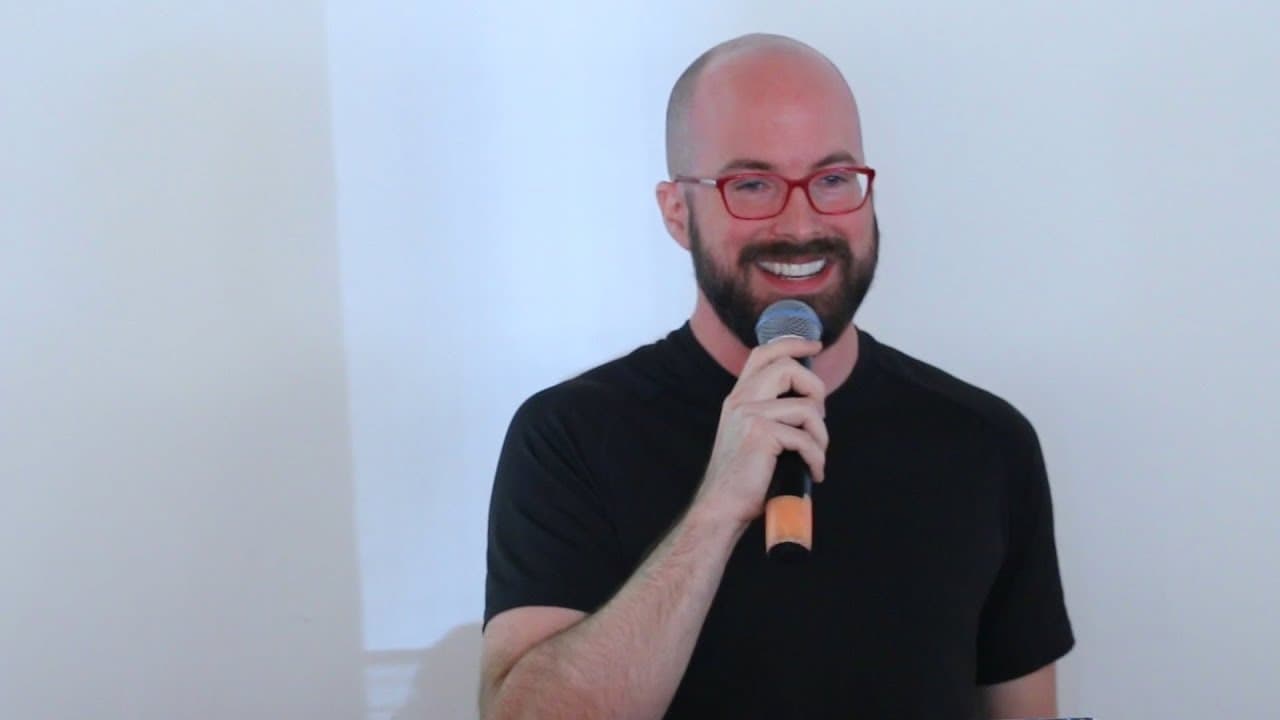
Paul Buchheit, a partner at Y Combinator, shares his insights on investing in startups during a talk. He emphasizes the importance of finding great founders, as they are key to a startup's success. He discusses some favorable outcomes where he invested in founders who were clear communicators, moved fast, had ambitious ideas, attracted top talent, and created products that people wanted. He also shares some mistakes he made, such as investing based on price or numbers alone and investing out of pity or for cynical reasons. He concludes by offering a checklist to evaluate founders based on their communication skills, speed, ability to accomplish with limited resources, ambition, talent attraction, and determination.
Questions & Answers
Q: How did Paul Buchheit come to the realization that he needed to analyze patterns in his investment decisions?
Paul Buchheit realized that he needed to analyze patterns in his investment decisions after spending time making haphazard decisions. He wanted to understand the patterns that led to favorable outcomes and unfavorable outcomes to improve his future investment decisions.
Q: What is Paul Buchheit's approach to investing in startups?
Paul Buchheit's approach to investing in startups is based on finding great founders. He believes that great founders are the key to a startup's success. He looks for founders who are clear communicators, move quickly, have ambitious ideas, attract top talent, and create products that people want.
Q: How does Paul Buchheit evaluate founders' communication skills?
Paul Buchheit evaluates founders' communication skills by assessing their ability to clearly and concisely explain their ideas and insights. He looks for founders who can communicate their depth of understanding and clarity of thought.
Q: What does Paul Buchheit mean when he says "moves fast" is a trait of great founders?
When Paul Buchheit says "moves fast" is a trait of great founders, he means that great founders take action quickly and are not afraid to iterate and learn from their mistakes. They are not hesitant or overly cautious but are determined to make progress and achieve their goals.
Q: Can Paul Buchheit invest in startup ideas that seem impossible or absurd?
Yes, Paul Buchheit can invest in startup ideas that seem impossible or absurd. He believes that great founders are able to think outside the box and pursue ideas that others might dismiss as too challenging or unconventional. He is attracted to ideas that are unpredictable and have the potential to disrupt existing markets.
Q: What are some mistakes that Paul Buchheit has made in his investments?
Some mistakes that Paul Buchheit has made in his investments include investing based on price or numbers alone, investing out of pity, and investing in ideas that he didn't personally believe in but seemed to have potential for making money. He highlights the importance of investing in ideas and founders that align with one's own values and vision for the future.
Q: How does Paul Buchheit evaluate founders' determination and commitment?
Paul Buchheit evaluates founders' determination and commitment by looking for signs that they are fully committed to their startup and are not hedging their bets or considering a backup plan. He believes that founders who are truly determined and committed are more likely to persevere through the challenges and uncertainties of the startup journey.
Q: What does Paul Buchheit mean by "accomplishes a lot with a little" as a trait of great founders?
When Paul Buchheit says "accomplishes a lot with a little" as a trait of great founders, he means that great founders are resourceful and able to achieve significant progress with limited resources. They are able to make the most of what they have and find creative solutions to challenges.
Q: How does Paul Buchheit assess the market demand for bio companies or startups in non-software industries?
Paul Buchheit finds that for bio companies or startups in non-software industries, the market demand is often obvious, as they are addressing significant problems or needs. The main risk in these cases is whether the companies can actually deliver the product or solution. He suggests evaluating founders' ability to create the product and their understanding of the market.
Q: How can investors assess founders' ability to move fast when making investment decisions quickly?
Investors can assess founders' ability to move fast by asking them about what they have accomplished in the past month or recent period, how quickly they plan to take action, and their approach to decision making. Investors can also push founders to see how they respond to pressure or the need for quick decisions.
Q: Can investors rely solely on price as a basis for making investment decisions?
Paul Buchheit advises against relying solely on price as a basis for making investment decisions. He shares that he has not made any money on investments made solely on price. Price should not be the primary factor in decision-making, but rather the evaluation of the founders, their ambition, and their ability to create value.
Summary & Key Takeaways
-
Investing in startups is more of an art than a science, and experience is key to becoming an expert in making investment decisions.
-
Startups that look bad or unimportant to big companies often have the potential to become successful ventures.
-
Successful investing requires finding great founders who are determined, ambitious, and have a clear vision for their product or service.
Read in Other Languages (beta)
Share This Summary 📚
Summarize YouTube Videos and Get Video Transcripts with 1-Click
Try YouTube Summary with ChatGPT & Claude or YouTube Transcript Generator
Explore More Summaries from Y Combinator 📚



Summarize YouTube Videos and Get Video Transcripts with 1-Click
Try YouTube Summary with ChatGPT & Claude or YouTube Transcript Generator