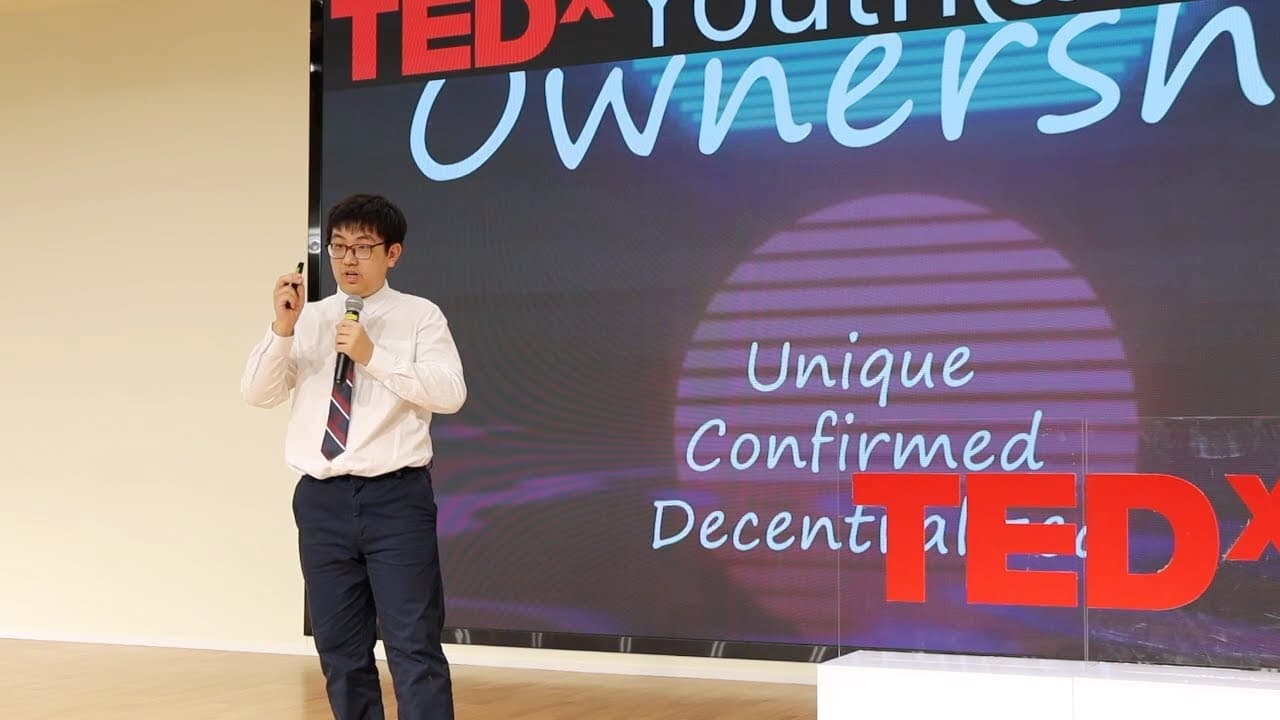
The preventable accidents of online arts. | Xiang Liu | TEDxYouth@GHCIS
TL;DR
NFTs are revolutionizing digital art ownership through blockchain technology, benefiting artists and buyers.
Transcript
[Applause] this is how my mom chats with her friends words words words so many words and this is how I chat with my friends pictures pictures pictures we love using pictures lots of pictures we enjoy reading comic books as reading words is hard we also love playing video games we love it so much that we might need to spend some money to buy skins i... Read More
Key Insights
- 🥰 NFTs, through blockchain technology, provide a secure and unique way to certify ownership of digital art.
- 🧑🎨 Artists benefit from NFTs by receiving a percentage of the sale price with each transaction, ensuring recognition and compensation.
- 🥰 Challenges such as replication and liquidity impact the long-term value of NFTs in the digital art market.
- 🥰 NFTs have revolutionized the digital art industry by establishing a new standard for ownership and compensation.
- 🧑🎨 The NFT market is evolving rapidly, with potential risks and opportunities for artists and buyers alike.
- 🥰 The rise of NFTs showcases the intersection of technology and art, creating new possibilities for creators and collectors.
- 🥰 Despite their benefits, NFTs face criticisms regarding their impact on the traditional art market and issues of sustainability in the digital realm.
Install to Summarize YouTube Videos and Get Transcripts
Explore YouTube Video Summarizer or Get YouTube Transcript Extractor
Questions & Answers
Q: How do NFTs solve the problem of ownership in the digital art industry?
NFTs use blockchain technology to provide a unique digital certificate of ownership, ensuring that creators receive recognition and compensation for their work. This eliminates the issue of uncredited use and lack of ownership.
Q: What benefits do artists gain from using NFTs for their digital art?
Artists receive 4% of the cost of their NFT with each transaction, providing a sustainable source of income and recognition. This incentivizes artists to continue creating and sharing their work within the digital art market.
Q: What challenges do NFTs face in terms of maintaining their long-term value?
NFTs face challenges such as replication and liquidity, where the ease of copying digital art and limited demand can impact the overall value of NFTs over time. These factors highlight the need for ongoing innovation and regulation in the digital art market.
Summary
This video discusses the rise of non-fungible tokens (NFTs) and how they have brought innovation to the digital art industry. It explains that NFTs provide a solution to the problem of ownership in the online world and allow artists to be compensated for their work. However, the video also points out that while NFTs have changed the art industry, they cannot change the economy, and there are still risks and limitations associated with them.
Questions & Answers
Q: What is the significance of pictures in the way we communicate with each other?
Pictures have become a prominent form of communication, especially among younger generations. They are easier to understand than words and can convey emotions and ideas more effectively. The use of pictures in chatting and social media has become increasingly popular.
Q: What is an NFT, and how does it solve the problem of ownership in the digital art industry?
NFT stands for non-fungible token. It is a technology that records ownership through a blockchain contract. In the digital art industry, NFTs provide a way to establish ownership and authenticity for digital artworks. This solves the problem of old online photos and property lacking ownership, as NFTs give buyers a legally binding contract that confirms their ownership of the digital artwork.
Q: How does NFT benefit artists in terms of recognition and payment?
NFTs have brought a new innovation to the art industry by enabling artists to be compensated with each transaction of their NFTs. When an NFT is bought and sold, the original artist receives 4% of the transaction cost. This means that artists are able to benefit from their work in the long run, even if they initially gave an NFT for free to a celebrity or influencer. This system ensures recognition and payment for artists.
Q: Can NFTs prevent others from using the artwork without permission?
While NFTs confirm ownership to a specific blockchain contract, they cannot entirely prevent someone from using the artwork without permission. It is still possible for others to take the picture and create a new one under a different blockchain contract. They can alter the picture's color, orientation, or other aspects. NFTs primarily establish ownership rather than complete control over the use of the artwork.
Q: Are there limitations to the value of NFTs in the future?
Yes, there are limitations to the value of NFTs in the future. While NFTs are currently highly valued, with some selling for millions of dollars, there is a belief that their value may decrease over time. This is because the market is becoming saturated with an unlimited supply of NFTs, and the liquidity of the NFT market is drying off. Additionally, if an NFT cannot be sold, it does not hold true value.
Q: What advice does the video give regarding new technologies and their risks?
The video advises using new technologies to one's advantage for playing and relaxing but also warns about the possible risks they can pose. It emphasizes the need to remain in control of technology rather than letting technology control individuals. Technology is merely a tool, and individuals should exercise caution and understanding when utilizing it.
Takeaways
The rise of NFTs has brought innovation and value to the digital art industry by establishing ownership and providing artists with compensation. However, there are limitations and risks associated with NFTs, particularly in terms of their future value and the potential for unauthorized use of artwork. It is crucial to approach new technologies with awareness and control, ensuring they enhance rather than control our lives.
Summary & Key Takeaways
-
NFTs, or non-fungible tokens, ensure ownership of digital art through blockchain contracts, solving the issue of uncredited use and lack of recognition for creators.
-
Artists receive 4% of the cost of their NFT with each transaction, allowing for long-term benefits and increased recognition.
-
While NFTs revolutionize the digital art industry, challenges such as replication and liquidity impact their long-term value.
Read in Other Languages (beta)
Share This Summary 📚
Summarize YouTube Videos and Get Video Transcripts with 1-Click
Try YouTube Summary with ChatGPT & Claude or YouTube Transcript Generator
Explore More Summaries from TEDx Talks 📚
Summarize YouTube Videos and Get Video Transcripts with 1-Click
Try YouTube Summary with ChatGPT & Claude or YouTube Transcript Generator