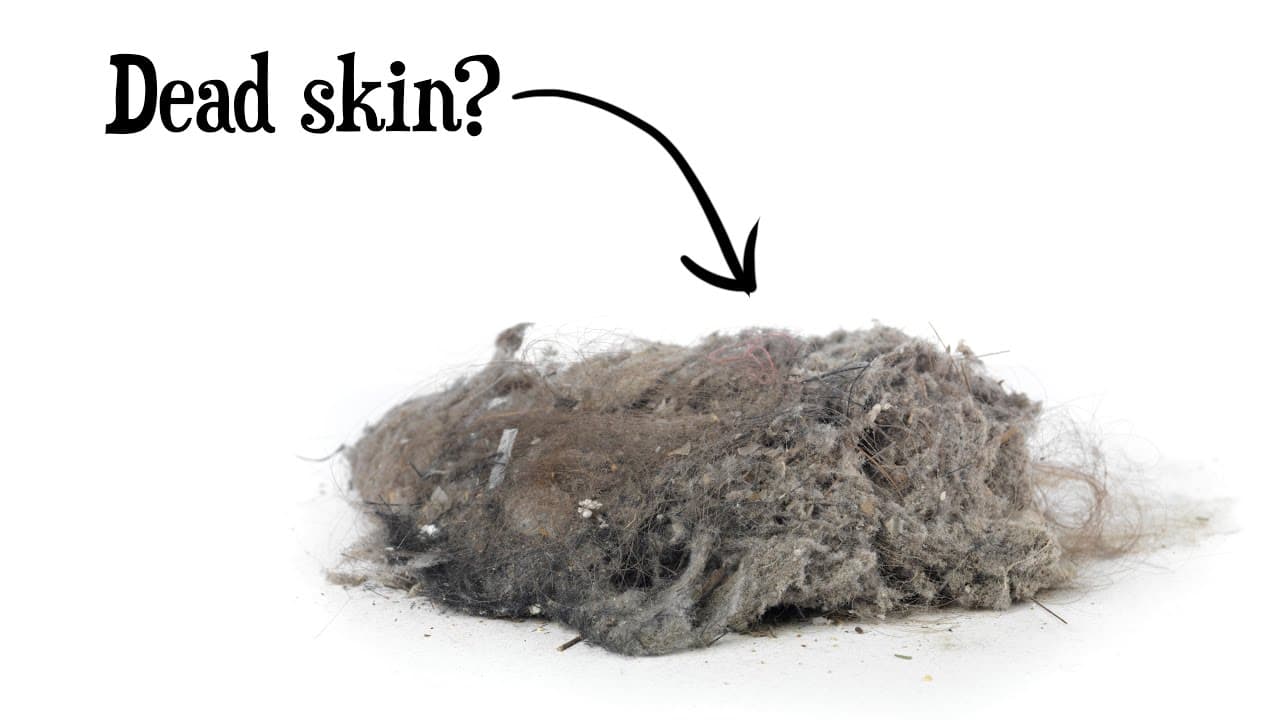
Is Dust Mostly Dead Skin?
TL;DR
The video explores the composition of household dust, debunking the misconception that it is mostly dead skin, and highlights the importance of conducting thorough research using tools like Google.
Transcript
this is me at the end of college so anyway so today I'm packing up my room is absolutely disgusting uh there's dust all over the place unbelievable how much dust this place accumulates just unreal 21 year old me was apparently fascinated by dust but where does it all come from well in this video we are going to get to the bottom of this now this vi... Read More
Key Insights
- 💀 Only about 20% of dust particles between 100-300 micrometers are dead skin cells, debunking the misconception that most dust is made up of dead skin.
- 🤣 The composition of dust varies depending on factors like the environment, flooring type, and size range considered.
- 😯 Dead skin cells account for roughly half of small dust particles shed by the human body, but much less than half of what is captured by a vacuum cleaner.
- 💀 Dust particles, including dead skin cells, are easily airborne and can contribute to the overall dust content in a room or environment.
- 😯 Shedding of dead skin cells is a natural process, with the average person shedding around half a kilogram or over a pound of dead skin cells in a year.
- 😯 Dust also contains a significant amount of microbial organisms, with individuals shedding approximately 1 million microbes per hour.
- 🖤 The perception and understanding of household dust composition can be shaped by urban legends, misconceptions, and lack of scientific references.
Install to Summarize YouTube Videos and Get Transcripts
Explore YouTube Video Summarizer or Get YouTube Transcript Extractor
Questions & Answers
Q: What percentage of household dust is made up of dead skin?
While there is a common misconception that 70-80% of household dust is dead skin, research indicates that dead skin cells account for roughly 20% of the dust particles between 100 and 300 micrometers.
Q: How much skin do we shed daily?
On average, we shed around 20 million new skin cells every hour, amounting to approximately half a billion dead skin cells per day. This adds up to half a kilogram or over a pound of dead skin in a year.
Q: Does the weight of a mattress double every 10 years due to dead skin?
No, the claim that a mattress doubles in weight every 10 years due to dust mites feeding on dead skin is not true. Even if all dead skin cells ended up in the mattress, it would only gain around three kilograms or seven pounds over a decade.
Q: What other particles contribute to household dust besides dead skin?
In addition to dead skin, other particles that contribute to household dust include pollen, fibers from rugs and clothing, dirt from outside, and even micro meteorites and dust from space.
Summary & Key Takeaways
-
The video aims to solve the mystery of what makes up household dust, particularly focusing on the misconception that it is predominantly dead skin.
-
It delves into the research process using Google to uncover the truth about dust composition, highlighting the importance of thorough investigation.
-
The video discusses the definition and characteristics of dust particles, shedding light on the different sources and percentages of dead skin in household dust.
Read in Other Languages (beta)
Share This Summary 📚
Summarize YouTube Videos and Get Video Transcripts with 1-Click
Try YouTube Summary with ChatGPT & Claude or YouTube Transcript Generator
Explore More Summaries from Veritasium 📚





Summarize YouTube Videos and Get Video Transcripts with 1-Click
Try YouTube Summary with ChatGPT & Claude or YouTube Transcript Generator