What Are the Key Bottlenecks in AI Compute Scaling?

TL;DR
The primary bottlenecks in scaling AI compute are logic, memory, and power. Logic involves the semiconductor manufacturing process, memory faces shortages due to high demand for AI, and power requires innovative solutions to meet growing needs. Addressing these bottlenecks involves complex coordination across the tech industry, including chip manufacturers, data centers, and energy suppliers.
Transcript
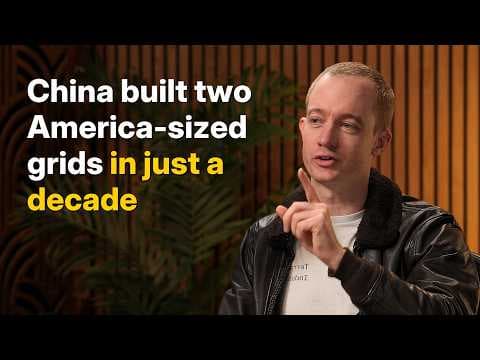
All right, this is the episode where my roommate teaches me semiconductors. It's also the send off for this current set. It is. After you use it, I'm like, "I can't use this again. I gotta get out of here." No sloppy seconds for Dwarkesh. Dylan is the CEO of SemiAnalysis. Dylan, here’s the burning question I have for you. If you add up the bi... Read More
Key Insights
- Logic is a major bottleneck due to the complexity and cost of semiconductor manufacturing processes.
- Memory shortages are driven by high demand for AI applications, impacting prices and availability.
- Power constraints require innovative solutions, such as behind-the-meter energy generation and diverse power sources.
- The semiconductor supply chain involves complex coordination among manufacturers, foundries, and equipment suppliers.
- EUV tools are critical for advanced chip manufacturing, with limited production capacity being a long-term constraint.
- China is working to indigenize its semiconductor supply chain but faces challenges in matching Western capabilities.
- Data centers are expanding rapidly, with significant investments in infrastructure to support AI growth.
- The economic impact of AI compute scaling is substantial, influencing global technology and energy markets.
Install to Summarize YouTube Videos and Get Transcripts
Explore YouTube Video Summarizer or Get YouTube Transcript Extractor
Questions & Answers
Q: What are the main bottlenecks in scaling AI compute?
The main bottlenecks in scaling AI compute are logic, memory, and power. Logic refers to the semiconductor manufacturing process, which is constrained by the availability of advanced tools like EUV machines. Memory shortages arise due to high demand for AI applications, leading to price increases and limited availability. Power constraints require innovative solutions, such as behind-the-meter generation and diverse energy sources, to meet the growing demands of data centers and AI infrastructure.
Q: How does the semiconductor supply chain impact AI compute scaling?
The semiconductor supply chain is crucial for AI compute scaling, involving complex coordination among manufacturers, foundries, and equipment suppliers. Advanced chip manufacturing relies on EUV tools, which have limited production capacity, making them a long-term constraint. As AI demand grows, the supply chain must adapt to ensure the availability of necessary components, such as logic and memory chips, while also addressing power requirements for data centers. This requires strategic planning and investment across the tech industry.
Q: What role does power play in AI compute scaling?
Power is a critical factor in AI compute scaling, as data centers require substantial energy to operate. Innovative solutions, such as behind-the-meter energy generation, diverse power sources, and improved energy efficiency, are needed to meet growing demands. The expansion of data centers and AI infrastructure necessitates significant investments in energy supply and management, with an emphasis on sustainability and reliability to support the continued advancement of AI technologies.
Q: How is China addressing its semiconductor supply chain challenges?
China is actively working to indigenize its semiconductor supply chain to reduce reliance on Western technologies. This involves developing domestic capabilities in chip manufacturing, including efforts to produce advanced tools like EUV machines. However, China faces challenges in matching the capabilities and scale of Western countries, which currently lead in semiconductor innovation and production. The success of China's efforts will depend on its ability to overcome technical and logistical hurdles in the coming years.
Q: What economic impact does AI compute scaling have?
AI compute scaling has a substantial economic impact, influencing global technology and energy markets. The expansion of data centers and AI infrastructure drives significant investments in semiconductor manufacturing, memory production, and power generation. These investments create opportunities for growth and innovation across the tech industry, while also posing challenges related to resource allocation and supply chain management. The economic benefits of AI compute scaling are expected to be significant, as AI technologies continue to advance and integrate into various sectors.
Q: How do data centers contribute to AI compute scaling?
Data centers are integral to AI compute scaling, providing the infrastructure needed to support the processing and storage of large volumes of data. As AI demand grows, data centers are expanding rapidly, with significant investments in facilities, power supply, and cooling systems. This expansion requires coordination with semiconductor manufacturers and energy suppliers to ensure the availability of necessary resources, such as logic and memory chips, and to address power constraints. The growth of data centers is essential for the continued advancement of AI technologies.
Q: What challenges do memory shortages pose for AI compute scaling?
Memory shortages pose significant challenges for AI compute scaling, as they lead to increased costs and limited availability of necessary components. High demand for AI applications drives up memory prices, impacting the affordability and scalability of AI infrastructure. Addressing memory shortages requires strategic planning and investment in memory production, including the development of new technologies and manufacturing processes to increase capacity and efficiency. The ability to overcome memory constraints is crucial for the sustained growth of AI compute capabilities.
Q: What are the long-term prospects for AI compute scaling?
The long-term prospects for AI compute scaling are promising, with continued advancements in semiconductor manufacturing, memory production, and power management. However, addressing the current bottlenecks in logic, memory, and power will require significant investments and innovation across the tech industry. As these challenges are overcome, AI compute capabilities are expected to expand, enabling more advanced AI applications and driving economic growth. The future of AI compute scaling will depend on the industry's ability to adapt to evolving demands and technological developments.
Summary & Key Takeaways
-
AI compute scaling faces three main bottlenecks: logic, memory, and power. Logic involves the semiconductor manufacturing process, with EUV tools being a critical constraint. Memory shortages are driven by high demand for AI applications, impacting prices and availability. Power requires innovative solutions, such as behind-the-meter energy generation and diverse power sources.
-
The semiconductor supply chain is complex, involving coordination among manufacturers, foundries, and equipment suppliers. While China is working to indigenize its semiconductor supply chain, it faces challenges in matching Western capabilities. Data centers are expanding rapidly, with significant investments in infrastructure to support AI growth.
-
The economic impact of AI compute scaling is substantial, influencing global technology and energy markets. Addressing these bottlenecks involves strategic planning and investment across the tech industry, including chip manufacturers, data centers, and energy suppliers, to ensure the continued advancement of AI technologies.
Read in Other Languages (beta)
Share This Summary 📚
Summarize YouTube Videos and Get Video Transcripts with 1-Click
Try YouTube Summary with ChatGPT & Claude or YouTube Transcript Generator
Explore More Summaries from Dwarkesh Patel 📚





Summarize YouTube Videos and Get Video Transcripts with 1-Click
Try YouTube Summary with ChatGPT & Claude or YouTube Transcript Generator