Why Do Venomous Animals Live In Warm Climates?
TL;DR
Most venomous species are found in warm places due to the greater diversity of ectotherms, evolutionary history, and ecological factors.
Transcript
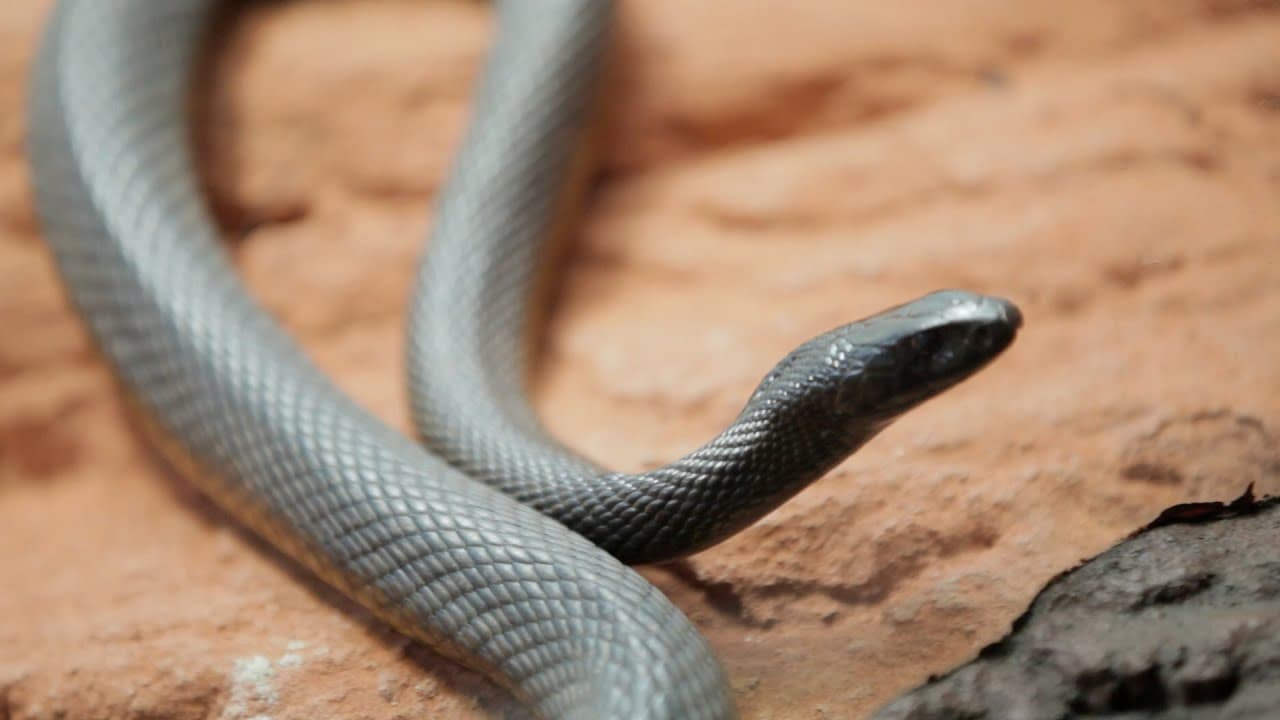
[WARNING! SPIDERS IN THE VIDEO ] Why are the most venomous species found in the warmest places on Earth? I mean, take Australia for example. Depending on who you ask, it has all or nearly all of the ten most venomous snakes in the world, plus the funnel-Web spider, the blue ringed octopus, box jellyfish, paralysis tick and stonefish, all found in A... Read More
Key Insights
- ✋ Warm places have more venomous species due to the higher diversity of ectotherms.
- ❓ Temperature alone does not significantly impact venom potency.
- ❓ Venom is primarily evolved for prey digestion but can be harmful to humans.
- 🖐️ Biodiversity and evolutionary history also play a role in the distribution of venomous species.
- 😚 Some venomous species have lost the ability to produce venom, suggesting it may not always be advantageous.
- 🚫 Proper treatment, including anti-venom, is crucial for venomous bites.
- 🥇 Cold places can also have venomous species, but in smaller proportions compared to warm places.
Install to Summarize YouTube Videos and Get Transcripts
Explore YouTube Video Summarizer or Get YouTube Transcript Extractor
Questions & Answers
Q: Why are the most venomous species found in warm places?
Warm places have a greater diversity of ectotherms, which are organisms whose body temperatures are regulated by their surroundings. More ectotherms mean a higher number of venomous species.
Q: Does temperature affect the potency of venom molecules?
Temperature alone does not significantly affect the potency of venom molecules. The rate of chemical reactions only doubles with a 10-degree change, which is unlikely to drive evolution for venom potency.
Q: How is venom produced in species like spiders and snakes?
Venom in these species is typically evolved from saliva. Its primary function is for prey digestion, but it has evolved to be lethal to certain animals, including primates, due to an evolutionary coincidence.
Q: What should one do if bitten by a venomous snake?
Stay calm and bandage the bitten limb tightly to trap the venom within the lymphatic system. Seek anti-venom treatment, which is made by injecting large organisms like horses with diluted venom to produce antibodies.
Summary & Key Takeaways
-
Warm places, such as Australia, have a high concentration of venomous species, including snakes, spiders, and other organisms.
-
The distribution of venomous species is not solely determined by temperature, but also by biodiversity and evolutionary history.
-
Venom is primarily evolved for prey digestion but can also be harmful to humans, leading to the need for anti-venom and proper treatment for bites.
Read in Other Languages (beta)
Share This Summary 📚
Summarize YouTube Videos and Get Video Transcripts with 1-Click
Try YouTube Summary with ChatGPT & Claude or YouTube Transcript Generator
Explore More Summaries from Veritasium 📚






Summarize YouTube Videos and Get Video Transcripts with 1-Click
Try YouTube Summary with ChatGPT & Claude or YouTube Transcript Generator