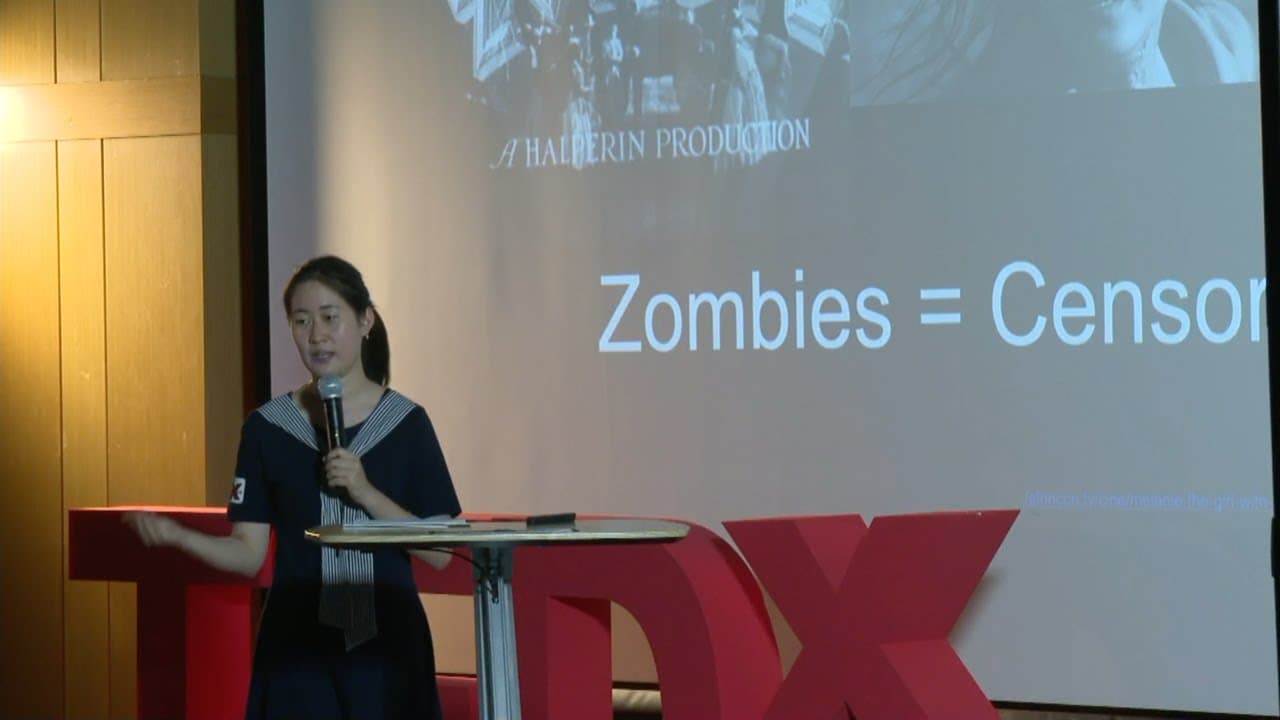
The Art of Zombies | Amy Gao | TEDxKeystoneAcademyBJ
TL;DR
Zombies symbolize societal norms and potential for change.
Transcript
uh High I'm not here to start my speech with have you ever instead I'm going to read your mind when you see this title you're probably humming the tune of Plant vs Zombies in your head already isn't it well allow me to take that full picture okay this is close their eyes then Imagine This and Undead flesh eating horse is stagging towards you withou... Read More
Key Insights
- 🧑⚕️ The origins of zombies in Haitian culture reflect the oppression and rebellion of plantation workers.
- 😅 American influence transformed zombies into flesh-eating monsters in pop culture.
- 🧟 Zombies challenge societal norms by symbolizing a potential for change and acceptance.
- 😨 The censorship of zombies in media reflects a fear of embracing societal differences and potential transformations.
- 🥺 Embracing the concept of zombies can lead to a more inclusive and accepting society.
- 🧟 Zombies symbolize the defiance of societal norms and offer a unique perspective on potential change.
- 🧟 The evolution of zombies in cultural representation reflects shifts in societal attitudes and acceptance.
Install to Summarize YouTube Videos and Get Transcripts
Explore YouTube Video Summarizer or Get YouTube Transcript Extractor
Questions & Answers
Q: How did zombies originate in Haitian culture?
In Haitian culture, zombies originated as symbols of the oppression faced by plantation workers, representing soulless and revolutionary slaves who either silently obeyed or rebelled against their oppressors.
Q: How did American influence transform the zombie image?
American influences like William Seabrook portrayed zombies as flesh-eating monsters, adding a terrifying aspect to the cultural icon, which later spread globally and became the common image of zombies seen today.
Q: Why are zombies often censored in media?
Zombies are often censored in media because they challenge societal norms by defying reproductive, age, and other societal expectations, symbolizing a potential for change and acceptance that can be unsettling to some.
Q: How can the concept of zombies be applied to societal change?
By embracing the symbolism of zombies as forces of change and potential, society can learn to accept and adapt to new norms and realities, shaping a future that celebrates diversity and uniqueness.
Summary
This video explores the cultural significance of zombies and how they represent more than just mindless flesh-eating monsters. It delves into the history of zombies in Haitian culture, their connection to the oppression of plantation workers, and their transformation into symbols of rebellion and fear. The video also discusses how zombies have been censored and hidden in various forms of media due to their subversive nature. Finally, it highlights the concept of "temporality" and how zombies challenge societal norms and offer the potential for a new understanding of diversity and acceptance.
Questions & Answers
Q: What is the historical significance of zombies in Haitian culture?
In the 18th century, zombies emerged in Haitian folklore as a symbol of the oppression faced by plantation workers. These individuals, forced into brutal labor, lost their ability to think and became mindless, soulless slaves. The depiction of zombies as the embodiment of the worst that life can become struck fear in the hearts of laborers.
Q: How did zombies transform into symbols of rebellion?
The second type of zombie, known as the Revolutionary slave, emerged during the slave revolt of 1791 in Haiti. These zombies represented the slaves who had had enough of silence and decided to rise up against their oppressors. They rebelled in various ways, including poisoning their masters. These zombies became the object of fear for both slaves and plantation owners, as they symbolized a loss of faith in humanity and the potential for random acts of violence.
Q: How did zombies become popularized globally?
In the early 1900s, the U.S. occupied Haiti, and American cultural influencers sought to dehumanize local resistance. Among them was a travel journalist named William Seabrook, who wrote a book called "The Magic Island." This book depicted zombies as cannibalistic monsters who had lost their mind and humanity, randomly attacking everyone they saw. When the book was published in America, it spread to the rest of the world, solidifying the flesh-eating aspect as a defining characteristic of zombies.
Q: Why have zombies been censored in various forms of media?
The censorship of zombies is not due to blood or violence, but rather the underlying meanings and messages they represent. In the past, zombie films were censored because they depicted independent women and challenged reproductive normativity. They were also censored during the American Civil Rights Movement as they represented a disruption to societal norms. In Germany, zombies were seen as a symbolic ecological message, suggesting that the earth had died and it was time for humans to take action. Zombies always carry meanings that society deems dangerous or subversive.
Q: What is "temporality" and how does it relate to zombies?
Temporality refers to individuals who deviate from the normative timeline imposed by society, such as those who do not conform to established norms related to timing, such as when to have a job, children, or retire. These individuals may face social stigma, as they are seen as abnormal or disabled. Zombies disrupt societal norms related to age, reproduction, marriage, and other aspects of life, making them a symbol of temporary deviation from the norm.
Q: Why are zombies considered dangerous to societal norms?
Zombies oppose every belief and norm that society upholds. They challenge reproductive normativity, as they don't have children or follow the traditional life stages. They disrupt the concept of age, as they do not grow old and are essentially immortal. Zombies do not eat, drink, sleep, or get married, opposing the fundamental aspects of human existence. Their existence defies the fragile normality that society holds dear, which is why they are considered dangerous and censored.
Q: How are zombies related to the concept of "cripping"?
"Cripping" is a term that combines feminist, queer, and disability studies and examines how cultural and social norms have affected marginalized individuals and communities. Temporality, or deviation from societal norms, falls into the realm of crip studies. Zombies, as symbols of temporary deviation and abnormality, fit within this framework. They represent a hidden minority and challenge the norms imposed by society.
Q: Why are zombies censored despite their potential for change?
Society fears the potential that zombies represent. Zombies challenge the normative timeline and offer a new understanding of diversity and acceptance. By censoring zombies, society attempts to maintain control over societal norms and prevent the embracing of new possibilities. Zombies disrupt the status quo and offer a chance for change, which threatens those who hold power and control over societal structures.
Q: How is society slowly moving towards a world of zombies?
The video suggests that society is gradually accepting drastic changes as the new normal, much like how individuals have embraced online learning during the COVID-19 pandemic. These changes represent a step towards a world that challenges societal norms and embraces diversity. While these changes may be unsettling for some, they offer the potential for a brighter future where the uniqueness and potential of marginalized communities, symbolized by zombies, are valued and embraced.
Q: What does the future hold in relation to zombies?
The video contends that a future embracing zombies, metaphorically representing marginalized communities and challenging societal norms, is a mindset that can become a reality. By being conscious of the social rules and norms that surround us and recognizing the potential and diversity within crypt communities, we can shape a new world that accommodates everyone. This change is already happening, as evidenced by the permanent shifts in society caused by events like the COVID-19 pandemic. Society is slowly moving towards a world where zombies, and the potential they represent, are accepted and valued.
Takeaways
Zombies are more than mindless flesh-eating monsters; they symbolize the potential for change, the disruption of societal norms, and the acceptance of diversity. Throughout history, zombies have been censored and hidden because they challenge the fragile normality that society upholds. They represent marginalized communities and offer the potential for a new understanding of what it means to be human. By embracing the potential that zombies bring, we can shape a world that values and accommodates everyone, creating a brighter future where zombies are no longer feared but accepted as part of our normal lives.
Summary & Key Takeaways
-
Zombies in Haitian culture symbolize oppression and rebellion through the depiction of soulless and revolutionary slaves.
-
American influence transformed zombies into flesh-eating monsters in pop culture.
-
Zombies challenge societal norms and represent potential for acceptance and change.
Read in Other Languages (beta)
Share This Summary 📚
Summarize YouTube Videos and Get Video Transcripts with 1-Click
Try YouTube Summary with ChatGPT & Claude or YouTube Transcript Generator
Explore More Summaries from TEDx Talks 📚
Summarize YouTube Videos and Get Video Transcripts with 1-Click
Try YouTube Summary with ChatGPT & Claude or YouTube Transcript Generator