Self Study Traps to Avoid in 2023 (stop self-sabotaging!)
TL;DR
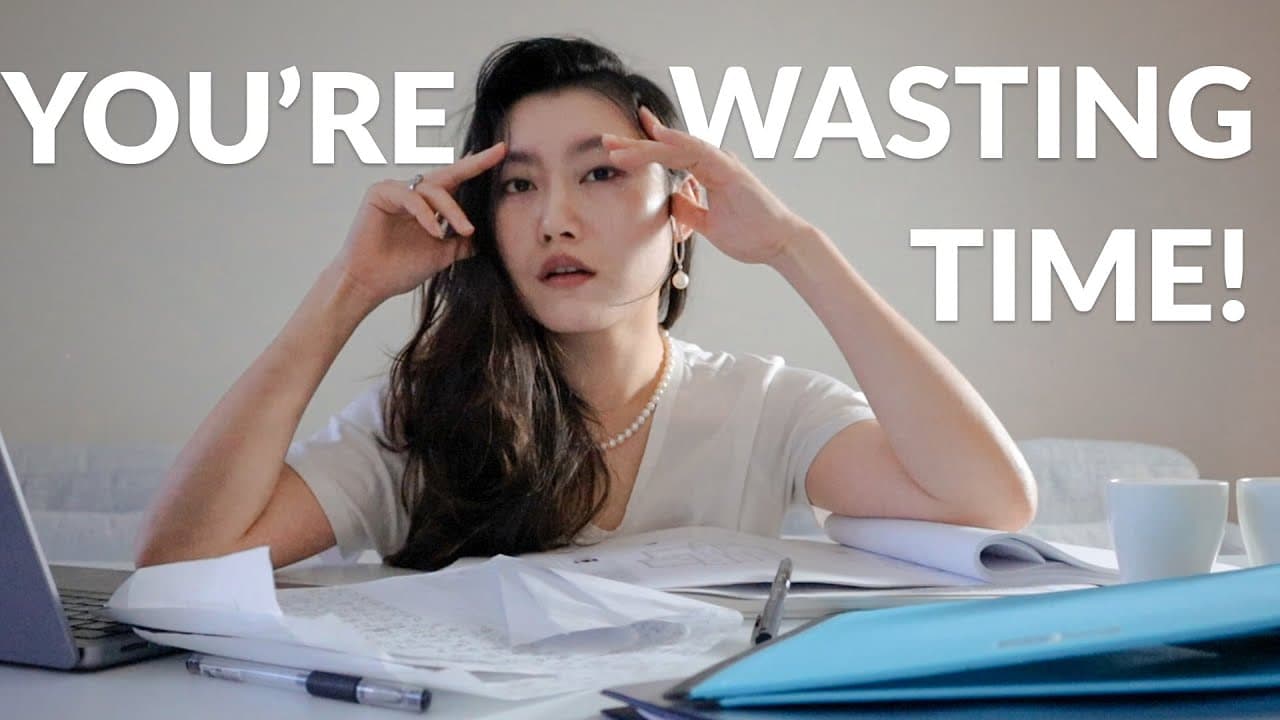
Learn how to avoid common self-study traps, such as depth-first learning, obsession with finding the best resources, having unrealistic expectations, over-compensating, and focusing on the wrong metrics.
Transcript
thank you fabulous for sponsoring today's video Hello friends welcome back to another video so in this video we're going to talk about the biggest self-studying traps that I have noticed people fall into and myself as well I think people don't really think about self-study until they get to a point generally in their adult life when they decide tha... Read More
Key Insights
- 😫 Learning how to study independently as an adult can be challenging, as there is no set system in place like in traditional schooling.
- 😝 The depth-first approach can lead to getting stuck in a knowledge rabbit hole and losing sight of broader learning goals.
- 🥺 Obsessing over finding the best resources can hinder progress and lead to decision paralysis.
- ⌛ Unrealistic expectations and over-compensating for missed study time can result in burnout and discouragement.
- 🥺 Focusing on the wrong metrics, such as grasping complex concepts immediately, can lead to self-doubt and frustration.
Install to Summarize YouTube Videos and Get Transcripts
Explore YouTube Video Summarizer or Get YouTube Transcript Extractor
Questions & Answers
Q: What is the depth-first approach to learning and why is it a trap?
The depth-first approach involves focusing intensely on one topic, often going down multiple layers of learning. While it may seem logical to gain a comprehensive understanding, it can lead to losing sight of broader learning goals and becoming overwhelmed.
Q: How can obsessing over finding the best resources hinder self-study?
Spending too much time researching and comparing resources can lead to decision paralysis and wasted time. It is better to choose one well-ranked resource that suits your learning style and trust that it is effective.
Q: Why is it important to set realistic expectations when self-studying?
People often overestimate the amount of time and effort they can dedicate to self-study, leading to burnout and frustration. Setting realistic goals based on available time and consistently sticking to those goals is crucial for sustainable progress.
Q: Why is focusing on the wrong metrics a trap in self-study?
Instead of obsessing over the output or results, it is essential to focus on the input-based metric, such as the amount of time spent studying. By focusing on consistent effort and trusting the learning process, progress will be made over time.
Summary & Key Takeaways
-
Many people fall into self-study traps when they start learning something new as adults because they are not familiar with how to study independently.
-
One major trap is the depth-first approach, where learners dive deep into one topic, losing sight of their overall learning goals.
-
Another trap is being obsessed with finding the best resources, which leads to indecision and wasted time.
-
Having unrealistic expectations, over-compensating, and focusing on the wrong metrics are additional traps to be aware of.
Read in Other Languages (beta)
Share This Summary 📚
Summarize YouTube Videos and Get Video Transcripts with 1-Click
Try YouTube Summary with ChatGPT & Claude or YouTube Transcript Generator
Explore More Summaries from Tina Huang 📚





Summarize YouTube Videos and Get Video Transcripts with 1-Click
Try YouTube Summary with ChatGPT & Claude or YouTube Transcript Generator