How Does AI Revolutionize Industries Today?
TL;DR
AI is transforming industries by enabling unprecedented levels of automation, creativity, and efficiency. Founders are leveraging AI to build smarter systems, automate complex tasks, and enhance human capabilities. The discussion highlights how AI is reshaping roles, reducing costs, and fostering innovation, particularly in software and hardware development. The conversation also touches on regulatory challenges and the evolving dynamic between human and AI collaboration.
Transcript
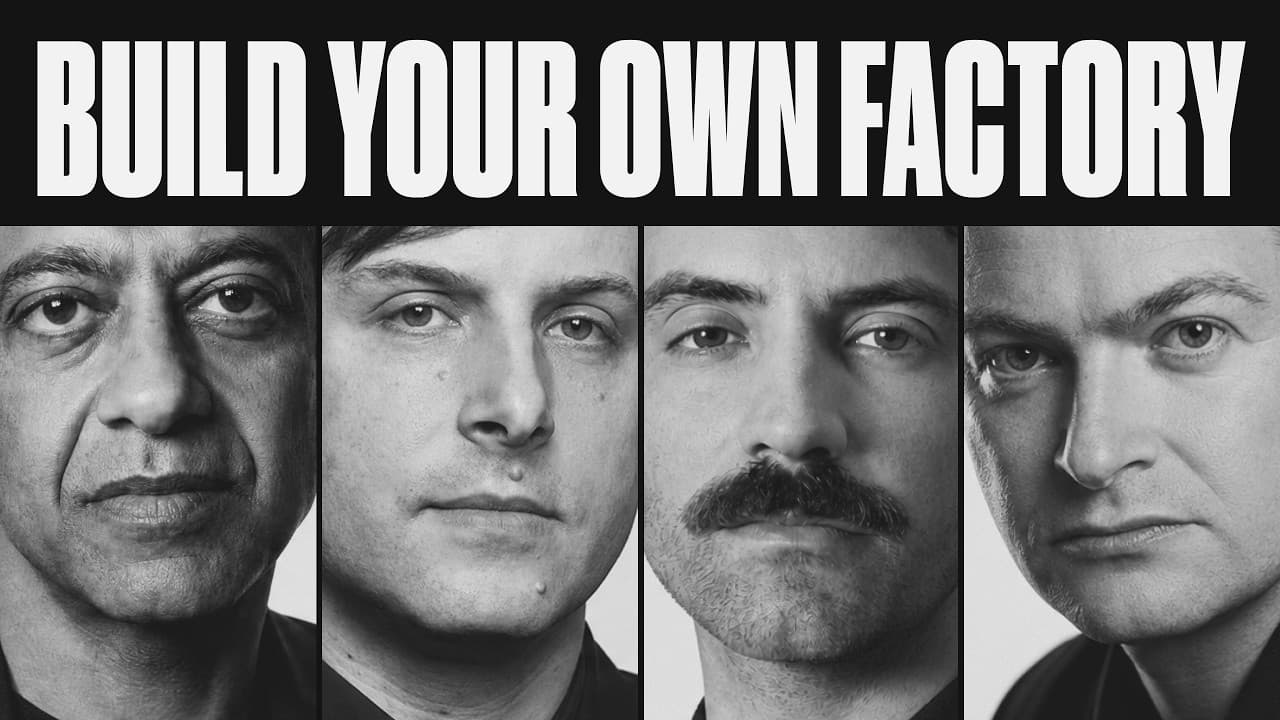
Welcome. You're listening to the Naval podcast, your authoritative source for new knowledge. We're trying something new today. Uh I have three frontier founders with us. Three good-looking guys actually, and a fourth good-looking guy, Naval. And let me just introduce everybody. Gumo the G Roush. Um he's building Versel into an AI cloud for the worl... Read More
Key Insights
- AI is enabling 100x and 1000x engineers, transforming how productivity is measured.
- Software engineering is shifting from coding to creating architectures and tools for AI-driven workflows.
- AI models are becoming more capable, allowing even non-experts to build complex systems.
- Regulatory frameworks pose challenges but also opportunities for AI to streamline compliance.
- AI is democratizing access to knowledge, enabling more people to engage in creative problem-solving.
- Autonomous software is increasingly handling tasks like security research and optimization.
- The future of work may involve training AI agents rather than performing repetitive tasks.
- The intersection of AI and human creativity is leading to an explosion of entrepreneurship and innovation.
Install to Summarize YouTube Videos and Get Transcripts
Explore YouTube Video Summarizer or Get YouTube Transcript Extractor
Questions & Answers
Q: How is AI transforming software engineering?
AI is transforming software engineering by shifting the focus from writing code to creating architectures and tools that automate complex workflows. Engineers are now able to build sophisticated systems with AI assistance, allowing them to focus on strategic decision-making and innovation. This transformation is enabling even non-experts to engage in software development, democratizing access to technology and fostering creativity.
Q: What challenges do regulatory frameworks pose for AI?
Regulatory frameworks pose significant challenges for AI by creating barriers to innovation and slowing down the adoption of new technologies. However, AI also offers potential solutions by streamlining compliance processes and reducing the time and cost associated with regulatory documentation. The conversation highlights the need for regulatory reform to keep pace with technological advancements and support the growth of AI-driven industries.
Q: How is AI impacting the role of engineers in hardware development?
AI is transforming the role of engineers in hardware development by enabling them to automate traditional engineering workflows and focus on higher-level tasks. By creating software frameworks that streamline complex processes, engineers can reduce costs and increase productivity. This shift allows small teams to accomplish tasks that previously required large teams, fostering innovation and accelerating the development of new technologies.
Q: What opportunities does AI create for entrepreneurship?
AI creates significant opportunities for entrepreneurship by lowering the barriers to entry for building and scaling new products and services. With AI tools, individuals can automate routine tasks, focus on creative problem-solving, and rapidly iterate on their ideas. This democratization of technology enables more people to become entrepreneurs, leading to an explosion of innovation and new business models across various industries.
Q: How does AI enhance human creativity?
AI enhances human creativity by providing tools that augment human capabilities, allowing individuals to explore new ideas and solve complex problems more efficiently. By automating routine tasks, AI frees up time for humans to focus on strategic thinking and creative pursuits. The collaboration between humans and AI leads to innovative solutions and breakthroughs that were previously unimaginable, driving progress across multiple fields.
Q: What is the future of work with AI integration?
The future of work with AI integration involves training AI agents to handle repetitive and routine tasks, allowing humans to focus on creativity, strategic decision-making, and innovation. As AI tools become more sophisticated, the role of workers will shift towards designing and managing AI systems, fostering a more dynamic and flexible work environment. This transformation is expected to lead to increased productivity and new opportunities for personal and professional growth.
Q: How is AI democratizing access to technology?
AI is democratizing access to technology by making complex tools and systems accessible to a broader audience, regardless of technical expertise. By providing intuitive interfaces and automating intricate processes, AI allows individuals from diverse backgrounds to engage in innovation and problem-solving. This democratization fosters inclusivity, encourages diverse perspectives, and accelerates the pace of technological advancement across various industries.
Q: What are the implications of AI for global competition?
AI has significant implications for global competition, as countries and companies race to develop and deploy cutting-edge technologies. Nations investing in AI research and development are likely to gain a competitive edge in the global market, driving economic growth and technological leadership. The conversation highlights the strategic importance of AI for national security, economic resilience, and maintaining a competitive position in the rapidly evolving technological landscape.
Summary & Key Takeaways
-
AI is revolutionizing industries by enhancing productivity and creativity. Founders are using AI to automate tasks, build smarter systems, and reduce costs. The conversation explores how AI is reshaping roles and fostering innovation, especially in software and hardware development.
-
Regulatory challenges remain, but AI offers potential solutions by streamlining compliance processes. The discussion also highlights the evolving dynamic between human and AI collaboration, with a focus on leveraging AI for creative problem-solving.
-
The future of work may involve training AI agents, allowing humans to focus on creativity and strategic decision-making. The conversation underscores the importance of embracing AI tools to stay competitive in an increasingly automated world.
Read in Other Languages (beta)
Share This Summary 📚
Summarize YouTube Videos and Get Video Transcripts with 1-Click
Try YouTube Summary with ChatGPT & Claude or YouTube Transcript Generator
Explore More Summaries from Naval 📚






Summarize YouTube Videos and Get Video Transcripts with 1-Click
Try YouTube Summary with ChatGPT & Claude or YouTube Transcript Generator