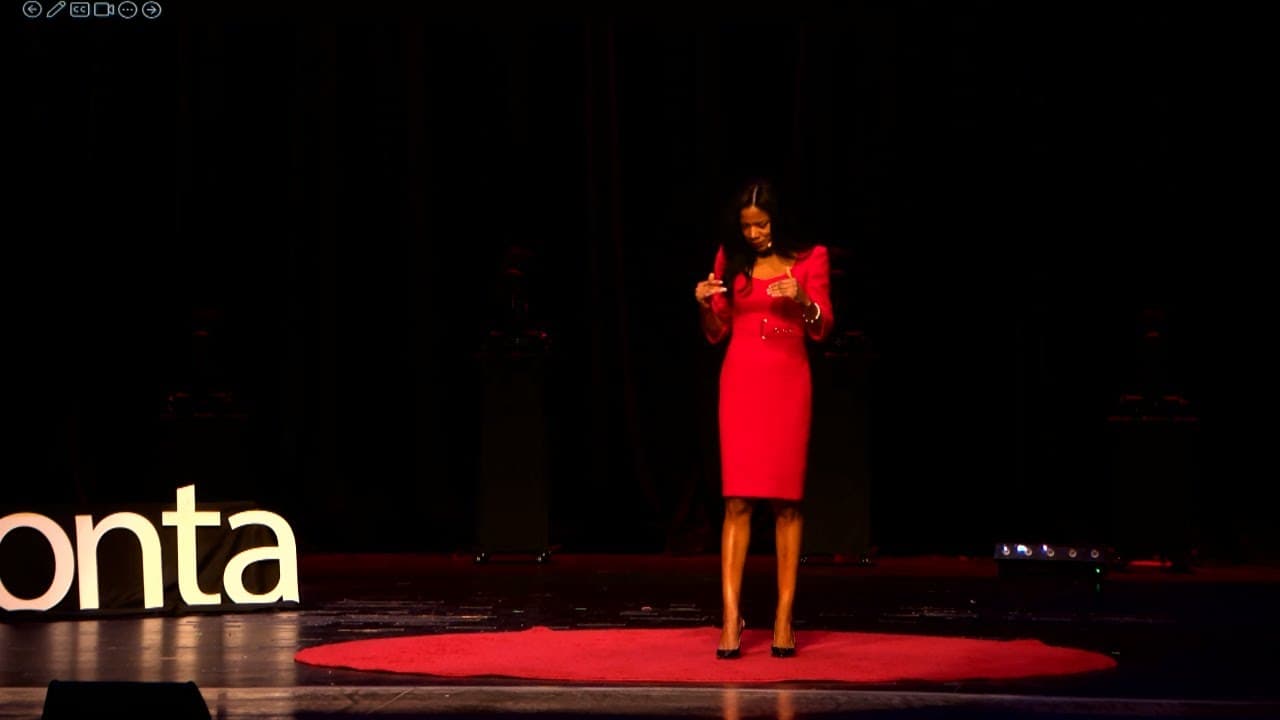
The Paradox of Ethical Fashion | Keneea Linton-George | TEDxOneonta
TL;DR
Despite the growing awareness of the environmental impact of the fashion industry, consumers and large corporations continue to prioritize fast fashion, leading to excessive waste and exploitation of resources.
Transcript
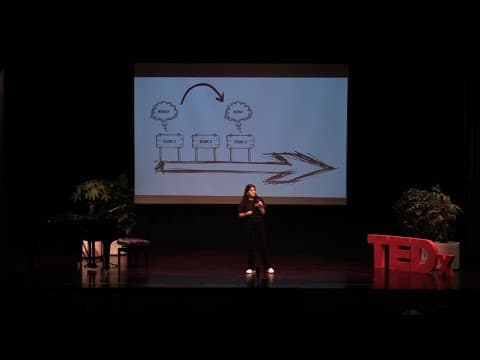
[Applause] good evening ladies and gentlemen I'm Kenia Linton George thank you for joining me this evening as we discuss the Paradox of ethical fashion now I'm a fashion designer but I studied philosophy so we will not be looking at this topic from a socioeconomic environmental nor a political perspective I believe philosophy allows us to delve dee... Read More
Key Insights
- ☄️ The fashion industry's growth has come at a great cost to the environment, with excessive waste and emissions.
- ❤️🩹 Donating clothing is not a sustainable solution, as most items end up in landfills or developing countries.
- 👋 Utilitarianism and intuition can guide ethical fashion choices, considering the greater good for everyone.
- ❓ Polyester and cotton are not ideal fabric options, and demanding more sustainable alternatives is essential.
- 🫰 Understanding transparency indexes can help consumers make informed choices about sustainable suppliers.
- ⛔ Individuals can reduce their own consumption and limit choices to decrease the environmental impact of their fashion habits.
- ⚖️ Balancing sustainability and consumerism requires both producers and consumers to shift towards more sustainable options.
Install to Summarize YouTube Videos and Get Transcripts
Explore YouTube Video Summarizer or Get YouTube Transcript Extractor
Questions & Answers
Q: What is the impact of our clothing choices on the environment?
The fashion industry's exponential growth has led to increased waste and emissions. From textile waste in landfills to the extensive water usage in cotton production, our clothing choices have a significant environmental impact.
Q: Can donating clothing make a difference?
Unfortunately, donating clothing is not an effective solution. Most donated items end up in landfills or are shipped to developing countries, which stifles local fashion industries and perpetuates a cycle of consumption and waste.
Q: How can we balance sustainability and consumer demand?
As consumers, we have the power to demand more sustainable fabric options from manufacturers. By choosing fabrics like bamboo, linen, or hemp, we can promote eco-friendly alternatives and encourage a shift in the fashion industry.
Q: How can individuals contribute to balancing the paradox?
Individuals can take proactive steps by demanding transparency from suppliers, supporting sustainable brands, and reducing their own consumption and choices. By doing so, we can alleviate the environmental impact of our fashion choices.
Summary & Key Takeaways
-
Garment production has significantly increased over the years, leading to an alarming amount of textile waste and growing emissions from the fashion industry.
-
Donating clothing to charities is not an effective solution, as only a fraction of donated items are recycled and the majority ends up in landfills or developing countries.
-
Utilitarianism and intuition can help guide ethical fashion choices, considering the greater good for everyone and the environment.
Read in Other Languages (beta)
Share This Summary 📚
Summarize YouTube Videos and Get Video Transcripts with 1-Click
Try YouTube Summary with ChatGPT & Claude or YouTube Transcript Generator
Explore More Summaries from TEDx Talks 📚


Summarize YouTube Videos and Get Video Transcripts with 1-Click
Try YouTube Summary with ChatGPT & Claude or YouTube Transcript Generator