Gen Z's Pursuit of Happiness | Anusha Muralikrishna | TEDxYouth@GSIS
TL;DR
Dopamine drives our pursuit of success, influencing how we think and feel about ourselves.
Transcript
Transcriber: William McCollum Reviewer: Mujtaba bakhet Why can't we resist the temptation of purchasing the newest Prada bag or buying the latest Apple product? Most of the time it's not a necessity. So why can’t we resist? Why do we feel the need to splurge on editing softwares or apps that completely change the appearance of our photos? Remove it... Read More
Key Insights
- ❓ Dopamine motivates our pursuit of success and happiness.
- ⌛ Success is achieved through consistent task completion over time.
- 🤔 Influencing how people think is essential for long-term success.
- 🧠 Balancing emotional and logical brain systems is crucial for success.
- 🤩 Long-term mindset is key to influencing how people think.
- 💠 Learning from failure shapes success.
- 🤔 Success comes from impacting how people think, not just what they think.
Install to Summarize YouTube Videos and Get Transcripts
Explore YouTube Video Summarizer or Get YouTube Transcript Extractor
Questions & Answers
Q: How does dopamine influence our desire for success?
Dopamine is a chemical that drives our pursuit of happiness and success by rewarding us with feelings of happiness and excitement when we achieve our goals.
Q: Why is completing one task not enough for long-term success?
Success requires consistent task completion over time to make a meaningful impact and influence how people think about you and your work.
Q: What sets successful individuals apart from others in achieving their goals?
Successful individuals understand the importance of a long-term mindset, consistent task completion, and influencing how people think to make a lasting impact in their field.
Q: How does the brain's fast emotional system differ from the slow logical system in achieving success?
Successful individuals, like Warren Buffett and Sir Isaac Newton, know how to balance both systems to influence how people think positively without manipulating their opinions.
Summary
In this video, the speaker explores why we often give in to the temptation of buying expensive items or splurging on editing software or apps that alter our photos. The common factor in these actions is the release of dopamine, a chemical that creates feelings of happiness, excitement, and thrill. Dopamine shapes our thought process and decision making, driving our desire for success. However, the pursuit of success is counter-intuitive, as dopamine is addictive, making us constantly crave more. The video also discusses why only a select few individuals achieve high levels of success and identifies completing tasks consistently over time as a key element. By influencing how people think, rather than what they think, successful individuals are able to create noticeable change and impact. The video concludes by explaining that success can also come from within, as learning from failures and adopting a long-term mindset can lead to personal growth and achievement.
Questions & Answers
Q: Why do we find it difficult to resist the temptation of purchasing luxury items and expensive products?
Most of the time, these purchases are not necessities, but they make us look and feel better about ourselves. They provide a rush of happiness, excitement, and thrill, which are all emotions produced by the chemical dopamine.
Q: How does dopamine affect our thought process and decision-making?
Dopamine completely overpowers our minds, especially in the younger generation. It shapes our thought process and decision-making, driving our desire for success and the pursuit of happiness. Dopamine acts as a pathway to pleasure, influencing our actions and choices.
Q: Is success addictive? How does dopamine contribute to this addiction?
Yes, success is addictive because dopamine is addictive. The more we achieve success, the more dopamine is released, and the more we crave it. Dopamine is a chemical that drives our desire for more and shapes our pursuit of happiness.
Q: Why do we constantly seek more success, even after achieving a goal?
Completing a singular task or goal is never enough for any of us. Dopamine, being addictive, makes us want more success once we attain it. We are constantly driven to seek greater accomplishments and higher levels of success.
Q: Why are only a select few individuals able to achieve high levels of success?
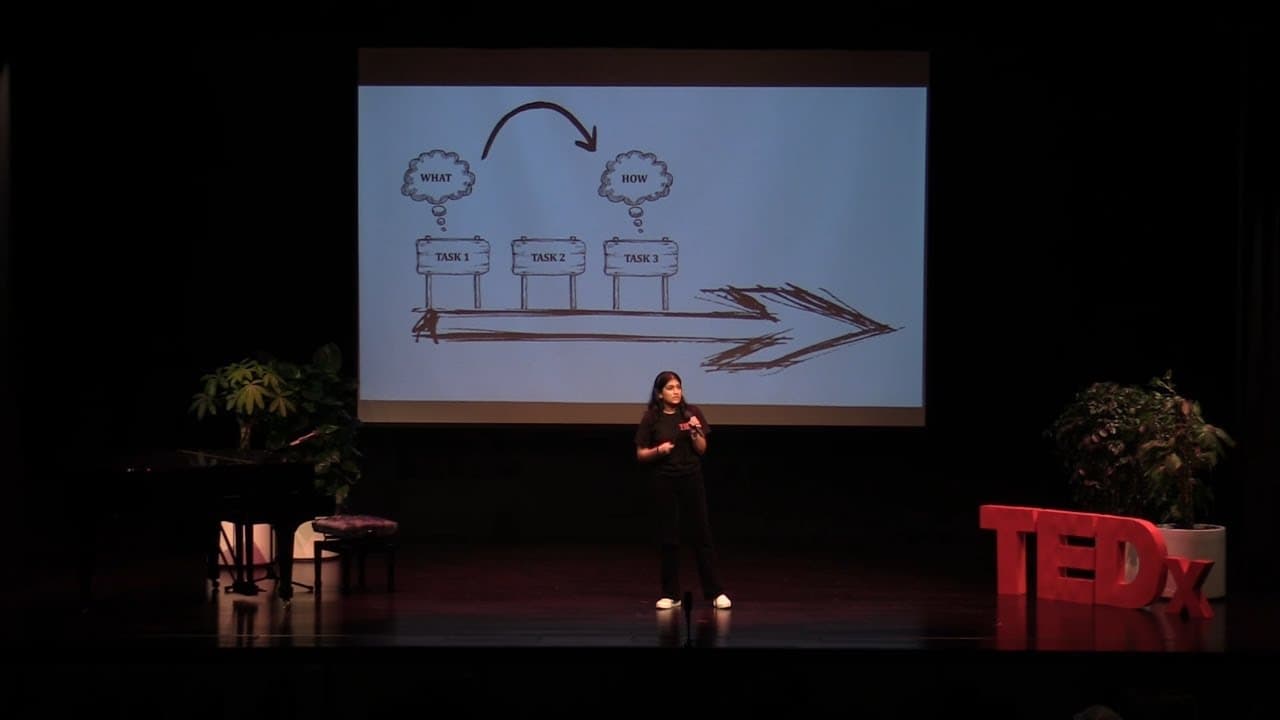
The video suggests that completing one task or goal is not enough. Positive results and success come from consistently completing tasks well over a long period of time. This underlying element of consistent task completion sets apart the few individuals who reach the highest levels of success.
Q: How does completing tasks well over time influence people's perception of us?
By consistently completing tasks well over time, we gain the ability to influence how people think about us. It is not just about influencing what people think; it is about shaping how people think about our capabilities, skills, and expertise. This ability to influence thinking is what distinguishes successful individuals.
Q: Can influencing how people think be as impactful as changing their mindset or work ethic?
Absolutely. Influencing how people think can be just as profound and impactful as changing their mindset or work ethic. The video highlights the example of Sir Isaac Newton, who expanded people's minds by providing logical explanations for gravity. By changing how people think about fundamental concepts, Newton made a significant impact.
Q: Can success also come from within?
Yes, the video emphasizes that success can come from within. Michael Jordan's career is cited as an example, where it was not just the shots or tricks he made but a vast number of shots he missed and the games he lost that shaped his work ethic and ultimately led to his success. Learning from failures and adopting a long-term mindset can drive personal growth and achievement.
Q: What is the basis for the claims made in the video?
The claims in the video are based on the fundamentals of neuroscience. The brain is divided into two systems: System one, or the fast emotional brain, influences what people think, while system two, or the slow logical brain, influences how people think. Successful individuals understand and deploy both systems effectively, influencing how people think rather than manipulating their opinions.
Q: Why do successful individuals, such as Newton, Jordan, and Buffett, attract so much attention and admiration?
Successful individuals who understand the difference between influencing how people think and negatively manipulating opinions are the ones who garner significant attention and admiration. They create lasting impacts, expand our knowledge, provide inspiration, and release dopamine, which many people, especially the younger generation, strive to experience.
Takeaways
The video highlights the role of dopamine in driving our pursuit of success and the addictive nature of achieving goals. It explains that completing one task or goal is never enough, and long-term consistency is key. Success is about influencing how people think, which can lead to noticeable change and impact. Furthermore, success can also come from within, through learning from failures and adopting a long-term mindset. Understanding the fundamentals of neuroscience and effectively deploying both emotional and logical systems in the brain are crucial for success. Ultimately, successful individuals influence how people think, create lasting impacts, and release dopamine, which is highly desired by many.
Summary & Key Takeaways
-
Dopamine, a chemical in our brain, motivates us to seek success and happiness.
-
Success isn't attained through one achievement but through consistent task completion.
-
Influencing how people think is the key to long-term success and impact.
Read in Other Languages (beta)
Share This Summary 📚
Summarize YouTube Videos and Get Video Transcripts with 1-Click
Try YouTube Summary with ChatGPT & Claude or YouTube Transcript Generator
Explore More Summaries from TEDx Talks 📚






Summarize YouTube Videos and Get Video Transcripts with 1-Click
Try YouTube Summary with ChatGPT & Claude or YouTube Transcript Generator