The pharmacy of the future? Personalized pills, 3D printed at home | Daniel Kraft
TL;DR
The introduction of this content can be summarized as follows: In a world where medication prescriptions are abundant and often confusing, new technology and personalized approaches are needed to improve dosing, adherence, and overall healthcare outcomes.
Transcript
We live in a medication nation. 4.5 billion drug prescriptions will be prescribed by doctors like me this year, in the United States alone. That's 15 for every man, woman and child. And for most of us, our experience with this medication is often a confusing number of pills, instructions, side effects, one-size-fits-all dosing, which all too often ... Read More
Key Insights
- 🏥 Many drugs prescribed do not work for the individuals they are prescribed to, leading to ineffective treatment and potential side effects.
- 💊 Adverse drug reactions and side effects are a significant cause of death, highlighting the need for better dosing methods and personalized treatment.
- 💔 Challenges in dosing medication properly, taking into account factors such as age, weight, and sex, can lead to underdosing or overdosing.
- 🦳 Noncompliance and low adherence to medication regimens are common issues, with many people not taking their prescribed medications correctly.
- 📊 The use of technology and data can help improve healthcare outcomes, allowing for more precise and personalized treatment plans.
- 💡 The emerging field of quantified self allows individuals to measure and track their own health data, which can be shared with healthcare providers to optimize prevention, diagnostics, and therapy.
- 🌍 Connected devices, such as blood pressure cuffs and wearable technology, can provide real-time health data and help manage chronic conditions more effectively.
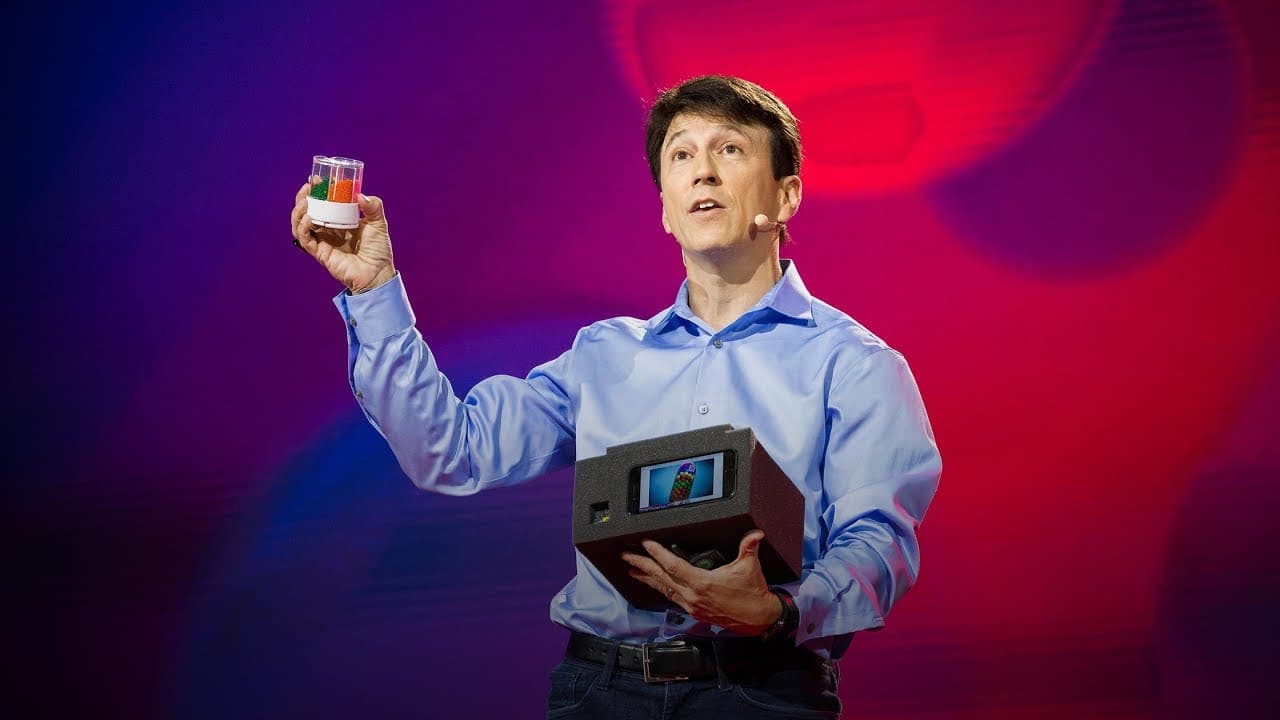
- 🖨️ 3D printing technology shows promise in creating personalized polypills, which combine multiple medications into a single pill, improving convenience and adherence to treatment plans.
Install to Summarize YouTube Videos and Get Transcripts
Explore YouTube Video Summarizer or Get YouTube Transcript Extractor
Questions & Answers
Q: How many drug prescriptions are estimated to be prescribed by doctors in the United States this year?
Doctors in the United States are estimated to prescribe 4.5 billion drug prescriptions this year, which means an average of 15 prescriptions for every man, woman, and child in the country.
Q: What are some of the challenges associated with medication usage?
Some of the challenges associated with medication usage include confusion regarding the number of pills, instructions, and potential side effects, as well as the one-size-fits-all dosing approach that may not be suitable for all individuals. Noncompliance or low adherence to prescribed medications is also a significant challenge.
Q: What percentage of adults over 65 in the US are on five or more prescription medications?
Approximately 40 percent of adults over 65 in the United States are on five or more prescription medications. In some cases, the number may even reach 15 or more medications being taken by an individual.
Q: What potential solutions and advancements can improve medication-taking experiences?
Advancements in technologies like connected health devices, artificial intelligence (AI), and personalized medicine offer promising solutions to improve medication-taking experiences. These advancements can allow for better monitoring of vital signs, optimized dosing, and the ability to print personalized polypills that integrate multiple medications into a single pill.
Q: What are some potential benefits of connected health devices and AI in healthcare?
Connected health devices, such as blood pressure cuffs that stream real-time blood pressure readings, and AI-powered algorithms can enable healthcare professionals to monitor patients' health remotely, make more informed medication adjustments, and improve adherence. AI can also help in integrating and analyzing large amounts of health data, leading to better outcomes and personalized treatment plans.
Q: How can 3D printing technology be utilized in medication management?
3D printing technology can revolutionize medication management by allowing for the creation of personalized polypills. These pills can be tailored to an individual's specific medication needs, potentially reducing the number of pills to be taken, improving adherence, and integrating supplements. Additionally, personalized polypills can be adjusted according to real-time health data, making medication regimens more adaptable.
Q: What are some potential applications of 3D printing in medication management?
The applications of 3D printing in medication management include the ability to print personalized polypills, optimization of drug combinations and dosages, and customization of pill attributes like patient information or medication tapering schedules. This technology could be integrated into pharmacies, clinics, and even homes, bringing convenience and personalized care to patients. It has the potential to revolutionize medication adherence globally.
Q: How can advancements in technology improve the overall healthcare experience?
Advancements in technology, such as connected health devices, AI, and 3D printing, have the potential to transform the healthcare experience. From remote monitoring and personalized medication management to optimized dosing and prevention, these advancements can lead to better outcomes, lower costs, and improved overall health and wellbeing for individuals.
Summary & Key Takeaways
-
Over 4.5 billion drug prescriptions will be prescribed in the US this year, but many drugs don't work for those who take them, causing adverse side effects.
-
Noncompliance with medication is a major issue, with many people not taking their medications correctly or at all.
-
Technology such as connected devices and 3D printing could revolutionize medication by allowing for personalized, on-demand drugs and improving adherence.
Read in Other Languages (beta)
Share This Summary 📚
Summarize YouTube Videos and Get Video Transcripts with 1-Click
Try YouTube Summary with ChatGPT & Claude or YouTube Transcript Generator
Explore More Summaries from TED 📚






Summarize YouTube Videos and Get Video Transcripts with 1-Click
Try YouTube Summary with ChatGPT & Claude or YouTube Transcript Generator