What Is Holocaust Denial and Why Is It Dangerous?
TL;DR
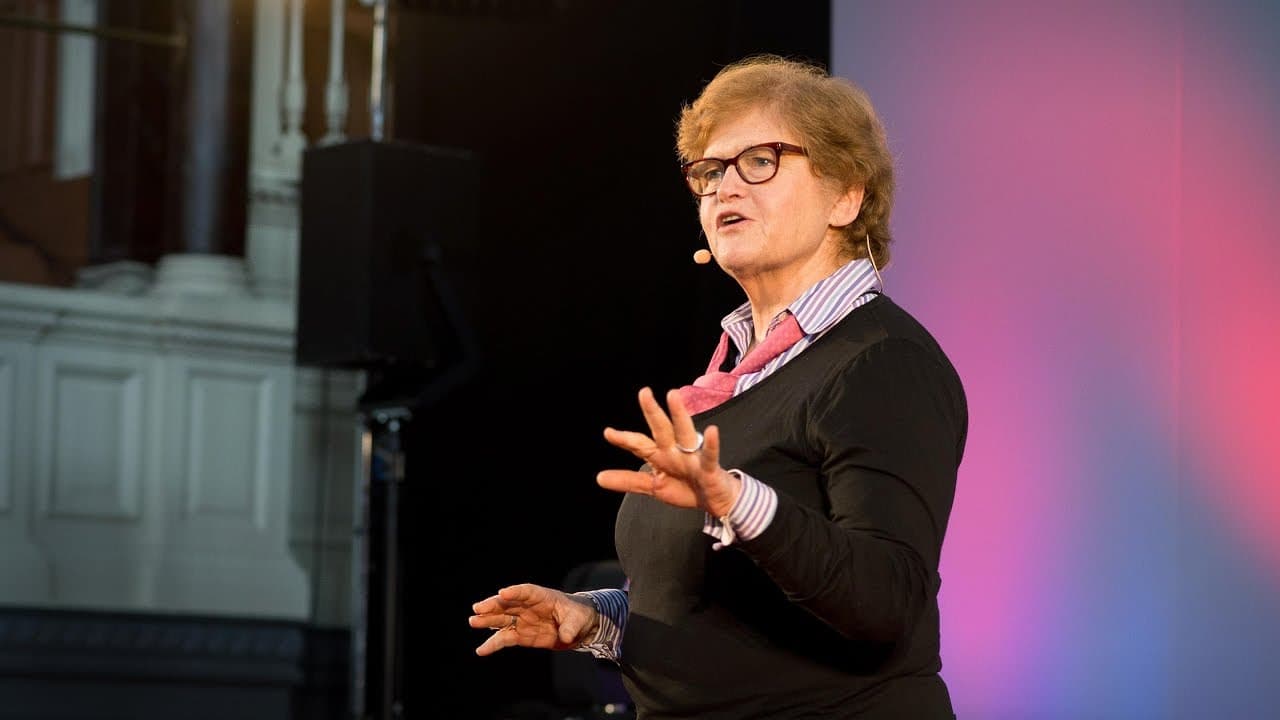
Holocaust denial is a serious distortion of historical facts aimed at promoting anti-Semitism and extremist ideologies. Deniers, often masquerading as respectable academics, claim to revise history while lacking credible evidence. It's crucial to combat these falsehoods by demanding proof and understanding that truth is not relative.
Transcript
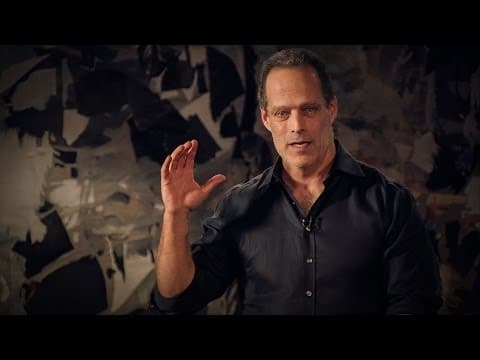
I come to you today to speak of liars, lawsuits and laughter. The first time I heard about Holocaust denial, I laughed. Holocaust denial? The Holocaust which has the dubious distinction of being the best-documented genocide in the world? Who could believe it didn't happen? Think about it. For deniers to be right, who would have to be wrong? Well, f... Read More
Key Insights
- 🌍 Holocaust denial is a topic that initially seemed laughable but can have serious consequences. Victims, bystanders, and perpetrators all provide evidence and testimonies that debunk denial claims.
- 📜 Deniers often disguise themselves as respectable academics, using institutes and journals to lend credibility to their false claims. They present themselves as "revisionists" while promoting anti-Semitism, racism, and prejudice.
- 🔍 There is a distinction between facts, opinions, and lies. Deniers take their lies and present them as opinions, encroaching on and distorting the facts.
- ⚖️ David Irving, a Holocaust denier, filed a libel suit against the speaker for calling him a denier. British law placed the burden of proof on her, making it necessary to fight the case to prevent him from legitimizing his false claims.
- 🔎 To expose Irving's falsehoods, the speaker followed the footnotes in his work and found that his supposed evidence was distorted or fabricated. This revealed that deniers lack the evidence to support their claims.
- 🌐 The story of the lawsuit has a larger message in the current era where truth and facts are under assault. Social media has flattened the difference between truth and lies, and extremism often hides behind seemingly rational discourse.
- 🛡️ In response, it is important to look beyond appearances and hold those who make outrageous claims accountable. Truth is not relative, and there are objective facts that should not be debated. ⏰ The time to act is now to defend truth and combat falsehoods. Waiting will only make it more difficult.
Install to Summarize YouTube Videos and Get Transcripts
Explore YouTube Video Summarizer or Get YouTube Transcript Extractor
Questions & Answers
Q: What is the video content about?
The video content is about the speaker's initial reaction to Holocaust denial and her subsequent research on the subject. It also focuses on her experience being sued for libel by a Holocaust denier and the importance of defending truth and facts in the face of extremism.
Q: Who are the deniers the speaker refers to in the video?
The deniers mentioned in the video are individuals who deny the occurrence of the Holocaust, claiming that it did not happen or distorting the facts surrounding it.
Q: How did the deniers present themselves as respectable academics?
The deniers presented themselves as respectable academics by using terms like "revisionists" and establishing institutions and journals, like the "Institute for Historical Review" and the "Journal of Historical Review." They also published papers with extensive footnotes, creating an appearance of academic rigor.
Q: How did the speaker and her team win the libel lawsuit?
The speaker and her team won the libel lawsuit by following the footnotes referenced by the Holocaust denier to his sources. In every instance, they found that the evidence he provided was distorted, changed, or simply not true. Through this examination, they were able to prove that the denier's claims lacked factual basis.
Q: What message does the speaker believe her story conveys?
The speaker believes that her story conveys a significant message about the importance of defending truth and facts. In an age where truth is under assault and social media has blurred the line between facts and lies, it is crucial to look beyond the surface, challenge outrageous claims, and hold individuals accountable for providing evidence.
Summary & Key Takeaways
-
Holocaust denial is a dangerous form of extremism that seeks to distort historical facts.
-
Deniers often present themselves as respectable academics, but they promote anti-Semitism and racist ideologies.
-
The fight against Holocaust denial and the assault on truth and facts requires us to be vigilant, demand evidence, and take a proactive stance.
Read in Other Languages (beta)
Share This Summary 📚
Summarize YouTube Videos and Get Video Transcripts with 1-Click
Try YouTube Summary with ChatGPT & Claude or YouTube Transcript Generator
Explore More Summaries from TED 📚


Summarize YouTube Videos and Get Video Transcripts with 1-Click
Try YouTube Summary with ChatGPT & Claude or YouTube Transcript Generator