Susannah Shattuck: Studying the Past to Build the Future
TL;DR
The Industrial Revolution in Europe coincided with a shift from drinking beer to drinking coffee and tea, highlighting the importance of understanding the unintended consequences of historical changes. Silicon Valley should learn to think like historians and consider the long-term effects of their innovations.
Transcript
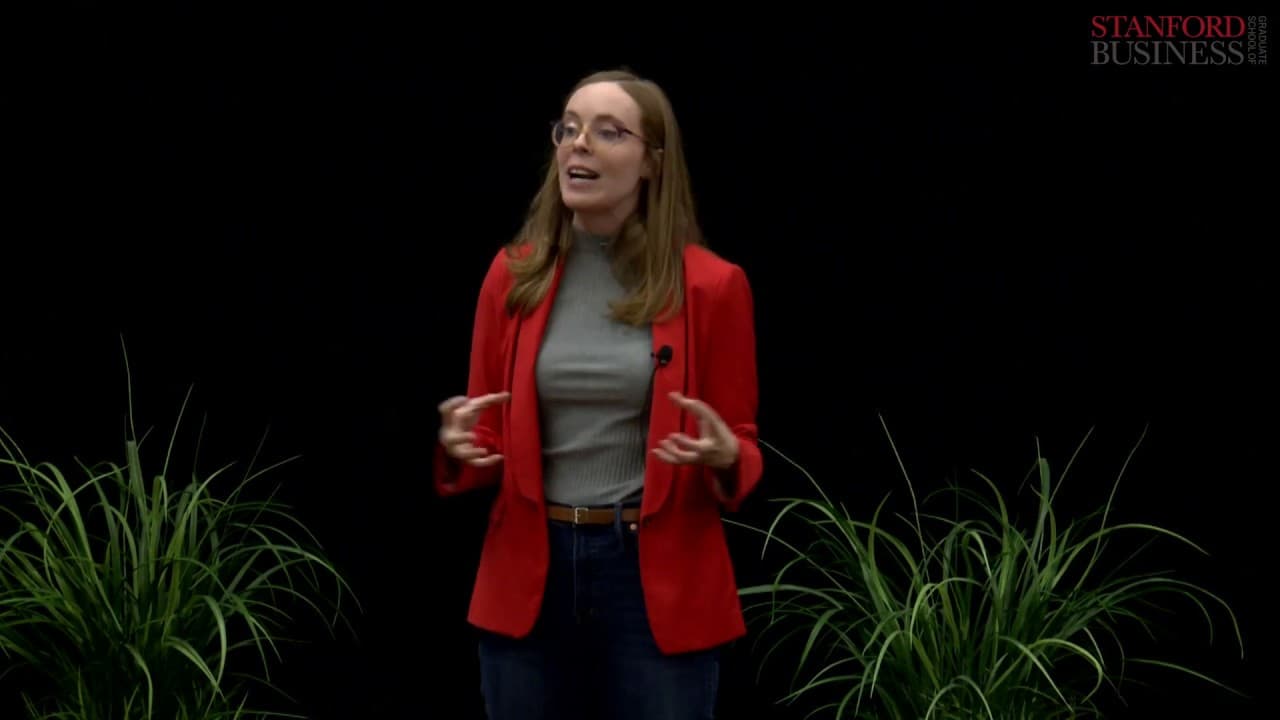
[MUSIC] In Europe in the 16th century, most people drank beer instead of water. The brewing process killed all of those nasty microbes that were found in your average 16th century cup of water. So beer was actually the cheapest safe beverage available. When coffee and tea became widely and cheaply available in Europe, thanks to the opening of trade... Read More
Key Insights
- 😂 The shift from beer to coffee and tea in Europe coincided with the Industrial Revolution, emphasizing the importance of understanding unintended consequences.
- 🪡 Silicon Valley needs to adopt a historical perspective to identify and minimize the negative impacts of innovations.
- 😤 Trash and triumph both provide valuable insights into the impact of innovations, highlighting the significance of studying unintended consequences.
- 🎟️ Considering missing voices and perspectives is crucial in comprehending the full impact of innovations.
- 🥺 Small changes can lead to both destruction and transformation, underscoring the necessity of understanding the effects of innovations.
- 🐕🦺 Silicon Valley should anticipate and address the long-term effects and potential problems arising from their products and services.
- ❎ Imagining and fixing the potential negative consequences of innovations is essential for creating a desirable future.
Install to Summarize YouTube Videos and Get Transcripts
Explore YouTube Video Summarizer or Get YouTube Transcript Extractor
Questions & Answers
Q: How did the transition from beer to coffee and tea coincide with the Industrial Revolution?
In the 16th century, beer was the safest beverage due to the brewing process killing harmful microbes in water. However, the availability of coffee and tea in the 17th century became a new safe alternative, which coincided with the Industrial Revolution. The transition from alcohol to caffeine consumption correlated with Europe's most technologically productive period.
Q: Why is it important for Silicon Valley to think like historians?
Silicon Valley's focus on disruption often neglects the unintended consequences of innovations. Many technological advancements have caused more significant problems than they aimed to solve. By thinking like historians, Silicon Valley can develop a framework for understanding cause and effect, minimize risks, and mitigate damages caused by their products and services.
Q: How can the study of trash and triumph help us understand the impact of innovations?
Historians study primary source records and artifacts, which can be classified as trash (discarded) or triumph (intentionally left behind). While triumph tells stories of civilization and society, trash tells important stories about mundane but fundamental changes in people's lives. By studying what people did not intend to leave behind, we can gain insights into the unintended impacts of innovations.
Q: What is the importance of considering missing voices in understanding the impact of innovations?
Historians understand that there is no reliable narrator, and perspectives shape interpretations of events. Similarly, in technology and innovation, it is easy to get trapped in one's perspective. Considering missing voices enables a more comprehensive understanding of the world. Interviewing those impacted by second-degree effects helps uncover unintended consequences and prompts business people and technologists to be more curious.
Summary & Key Takeaways
-
In Europe during the 16th century, people drank beer instead of water due to its safety, as the brewing process killed harmful microbes. The availability of coffee and tea in the 17th century offered a new safe alternative to water, coinciding with the productive period of the Industrial Revolution.
-
Studying history reveals that small changes in lifestyle can lead to significant societal transformations, challenging the assumption that brilliant inventors and scientists alone propelled the Industrial Revolution.
-
Silicon Valley should adopt a historical perspective to understand the unintended consequences of their innovations and minimize risks and damages caused by their products and services.
Read in Other Languages (beta)
Share This Summary 📚
Summarize YouTube Videos and Get Video Transcripts with 1-Click
Try YouTube Summary with ChatGPT & Claude or YouTube Transcript Generator
Explore More Summaries from Stanford Graduate School of Business 📚





Summarize YouTube Videos and Get Video Transcripts with 1-Click
Try YouTube Summary with ChatGPT & Claude or YouTube Transcript Generator