The Autonomy Ecosystem: Energy (4 of 8)
TL;DR
As we transition to electric self-driving fleets, the energy infrastructure will go through significant changes, including the shift from gas burning to electric power and the need for increased electricity generation and distribution.
Transcript
now let's talk a little bit about what happens to the energy infrastructure I believe we're at the very beginning of a very rapid transition and that transition is this one we're gonna go from world in which we mostly own and operate our own cars to our own in which we're mostly driven around in electric self-driving fleets if that's the case the t... Read More
Key Insights
- 🫵 Oil companies and forecasters have differing views on the future demand for petroleum, with potential implications for the energy infrastructure.
- ⌛ Additional electricity generation capacity would be needed to support the transition to an all-electric fleet, but it can be attained through gradual increases over time.
- 👰♀️ The optimal placement of charging stations is being studied, considering the needs of fleet operators and ride-sharing companies.
- 🚙 Standardizing charging connectors is crucial to avoid proprietary systems and ensure compatibility between electric vehicles.
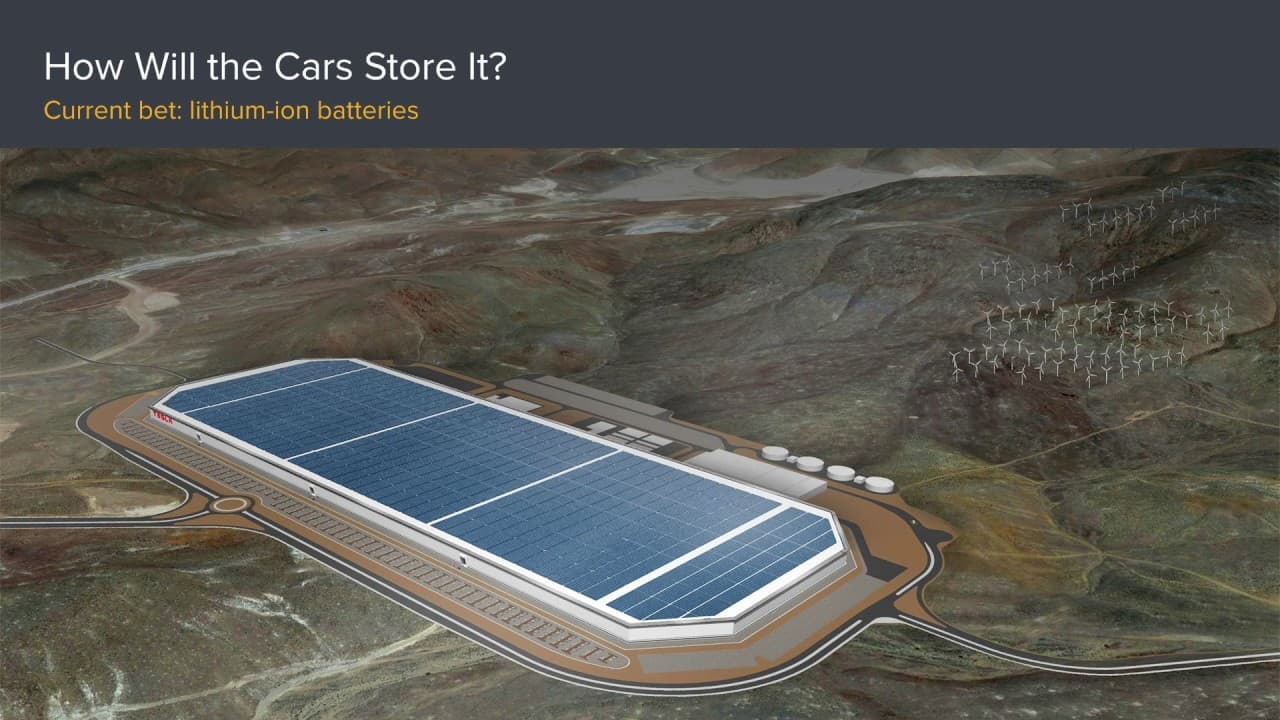
- 👷 The production of batteries for electric vehicles will require the construction of several gigafactories, but the shortage of raw materials, particularly cobalt, may pose a challenge.
- 🗯️ Ethical sourcing of raw materials for batteries, such as cobalt, is essential to prevent human rights abuses and secure a sustainable supply chain.
- 🤘 Research is ongoing to explore alternative battery chemistries that reduce reliance on scarce metals like cobalt.
Install to Summarize YouTube Videos and Get Transcripts
Explore YouTube Video Summarizer or Get YouTube Transcript Extractor
Questions & Answers
Q: What is the current outlook for petroleum demand, and how does it impact the future transition to electric cars?
Oil companies predict that petroleum demand will continue to rise indefinitely, driven by population growth and increasing demand from emerging countries. However, forecasters such as Bloomberg and the International Energy Agency are more skeptical and expect a decline in petroleum demand due to efficiency gains and the introduction of electric vehicles.
Q: How much additional electricity generation capacity would be needed for an all-electric fleet?
The United States would require approximately 468 gigawatts of additional electricity generation capacity, which can be achieved by adding 15 gigawatts each year for 30 years, based on historical trends.
Q: Where are the optimal locations for public charging stations, considering the shift to electric self-driving fleets?
The optimal placement of charging stations depends on whether individuals or fleet operators predominantly own and operate the vehicles. The current focus is on minimizing downtime for revenue-generating vehicles, leading to simulations to determine centralized locations, car dealerships, or former oil changing stations.
Q: How will the transition to electric self-driving fleets affect the automobile industry?
The transition to electric self-driving fleets would lead to a decline in car dealerships as individual car ownership diminishes. However, car dealerships could potentially repurpose their premises for fleet operations, including recharging, servicing, and maintenance.
Summary
This video discusses the potential changes in the energy infrastructure as we transition to electric self-driving fleets. It explores topics such as the shift from gas-burning to electric-powered vehicles, the generation and distribution of electricity, the storage of power, and the impact on various industries.
Questions & Answers
Q: What are the potential implications of transitioning from owning and operating our own cars to being driven around in electric self-driving fleets?
The transition to electric self-driving fleets could lead to significant changes in the energy infrastructure. It would involve a shift from gas-burning vehicles to electric-powered ones, as well as a transition from driving ourselves to being driven by autonomous vehicles.
Q: How much of the energy consumed in the United States is used for transportation?
In 2016, a little less than a third of the energy consumed in the United States was used for transportation.
Q: What is the dominant source of energy for transportation today?
Petroleum, particularly gasoline, is the dominant source of energy for transportation today.
Q: Has the demand for petroleum been consistently increasing or are there signs of decline?
Petroleum demand has been generally increasing, with only a few minor declines during recessions. However, there are differing forecasts on the future of petroleum demand.
Q: What do oil executives forecast about the future of petroleum demand?
Oil executives forecast continued growth in petroleum demand, expecting it to increase as the middle class and emerging countries expand.
Q: What do forecasts from organizations like the International Energy Agency and Bloomberg suggest about the future of petroleum demand?
Forecasts from the International Energy Agency and Bloomberg are less optimistic about the future of petroleum demand. They anticipate a decline in demand due to energy efficiency improvements and the shift to non-gas-powered vehicles.
Q: How are energy companies and manufacturers preparing for the potential decline in petroleum demand?
Some energy companies and manufacturers are investing in electric charging networks as a hedge against future declines in petroleum demand.
Q: How much more electricity will be needed if we transition to an all-electric fleet?
The estimated additional electricity capacity needed compared to 2015 would be roughly 40% in the United States.
Q: Is it feasible to generate enough electricity to power self-driving cars?
The current rate of net addition to the energy grid suggests that it is possible to generate the required electricity production levels for self-driving cars without major changes to the system.
Q: Where will public charging stations for electric vehicles need to be placed?
The placement of public charging stations will depend on the strategy of fleet operators and the need to minimize the time that cars are not carrying revenue-generating passengers.
Takeaways
The transition to electric self-driving fleets will likely have significant implications for the energy infrastructure. It will involve a shift from gas-burning to electric-powered vehicles and from driving ourselves to being driven by autonomous vehicles. While oil executives expect continuous growth in petroleum demand, forecasts from organizations like the International Energy Agency and Bloomberg suggest a decline in demand due to energy efficiency improvements and the shift to non-gas-powered vehicles. Investments in electric charging networks and deals between energy companies, manufacturers, and service providers indicate preparations for this potential decline. The generation and distribution of electricity may need to be adjusted to meet the increased demand, but the current rate of net addition to the energy grid suggests that it is feasible. The placement of public charging stations will depend on fleet operator strategies, aiming to minimize idle time for cars. It is crucial to ensure a standardized charging infrastructure and ethically source the raw materials required for battery production, such as cobalt, which is highly concentrated in unstable regions. Ongoing research is exploring alternative battery chemistries to reduce reliance on scarce materials.
Summary & Key Takeaways
-
The demand for petroleum has consistently increased over the years, but there are differing forecasts on whether this trend will continue or decline due to the rise of electric cars and energy efficiency measures.
-
Transitioning to an all-electric fleet would require approximately 40% more electricity generation capacity in the United States.
-
The placement of public charging stations for electric vehicles is still being studied, with considerations for fleet operators, ride-sharing companies, and the optimization of charging time.
Read in Other Languages (beta)
Share This Summary 📚
Summarize YouTube Videos and Get Video Transcripts with 1-Click
Try YouTube Summary with ChatGPT & Claude or YouTube Transcript Generator
Explore More Summaries from a16z 📚






Summarize YouTube Videos and Get Video Transcripts with 1-Click
Try YouTube Summary with ChatGPT & Claude or YouTube Transcript Generator