How Long Will You Live?
TL;DR
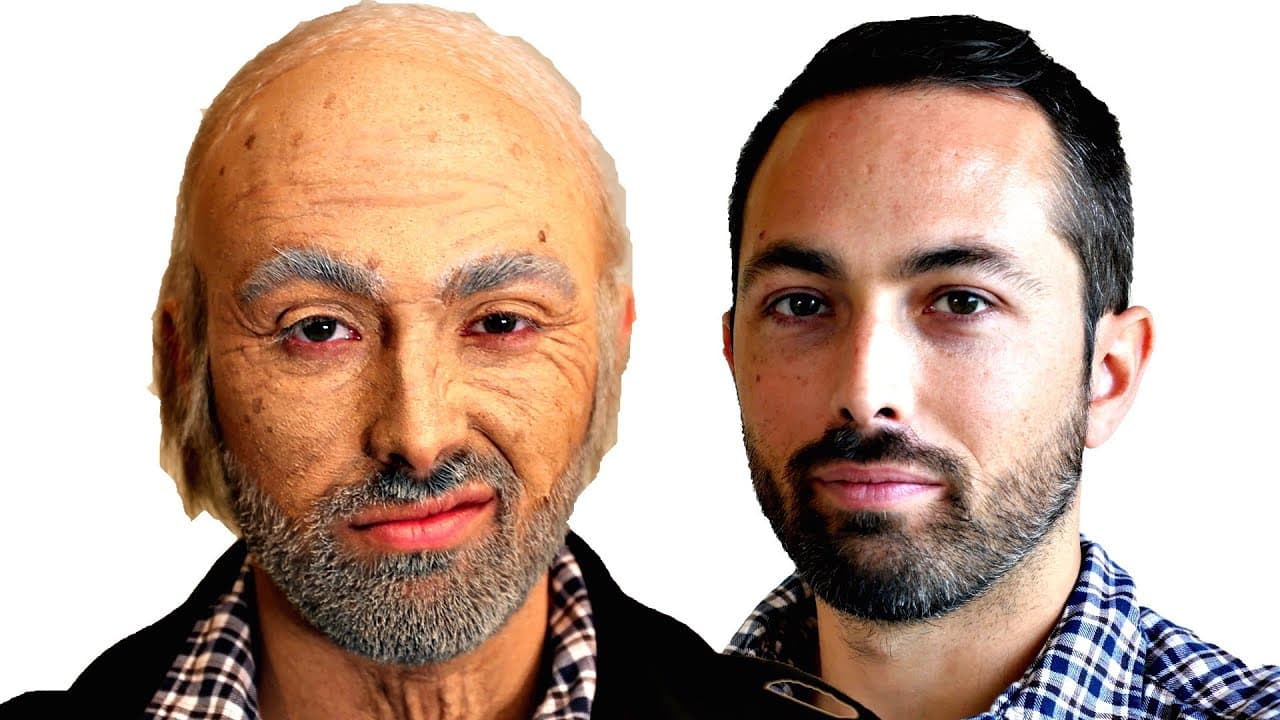
Aging is a natural process that leads to the deterioration of our bodies, but recent discoveries regarding telomeres and telomerase offer hope for potentially slowing down or reversing aging.
Transcript
10,000 years ago, the average human life lasted just over 30 years, and then a hundred years ago that number was up to 50, and if you were born in the last few decades in the developed world then your life expectancy is 80 years. But that is of course assuming that no major breakthroughs happen during your lifetime that can slow the process of agin... Read More
Key Insights
- 🤕 Aging is a natural process that causes our bodies to decay and degrade.
- 🤩 Cellular aging is a key factor in the macroscopic aging of our bodies.
- 🖐️ Telomeres, which protect chromosomes, play a crucial role in cellular aging.
- 🛟 Telomeres shorten with each cell division, serving as a cellular clock.
- 🥺 Telomerase is an enzyme that rebuilds telomeres but can also lead to unregulated cell growth.
- 🪘 Longer telomeres have been associated with an active lifestyle.
- 👋 Telomeres may shorten for a good reason to prevent cancerous cells from accumulating.
Install to Summarize YouTube Videos and Get Transcripts
Explore YouTube Video Summarizer or Get YouTube Transcript Extractor
Questions & Answers
Q: How do cells know when to stop dividing, causing aging?
Cells have telomeres, which are like the ends of shoelaces for chromosomes, preventing them from sticking to other chromosomes. Telomeres get shorter with each division, ultimately causing cells to become senescent and contributing to aging.
Q: Can we measure telomeres? What have associations shown regarding telomere length and lifestyle?
Telomeres can be measured, and associations have been made between longer telomeres and an active lifestyle, exercise, and healthy habits.
Q: What is telomerase, and how does it affect telomeres?
Telomerase is an enzyme that rebuilds telomeres, preventing them from shrinking. However, telomerase activation can also lead to unregulated cell growth, such as in cancer cells.
Q: Why do some animals, like lobsters, not seem to age?
Lobsters have long telomeres that do not shorten, allowing them to continue growing without experiencing the same aging effects. However, telomerase activation can also have negative consequences, like unregulated cell growth seen in cancer.
Summary & Key Takeaways
-
Aging is a cellular process that leads to the decay and degradation of our bodies, and it may be responsible for various diseases such as diabetes, heart disease, and Alzheimer's.
-
Cells can only divide a finite number of times before becoming senescent, which contributes to aging on a macroscopic level.
-
Telomeres, like the plastic ends of shoelaces for chromosomes, get shorter with each cell division, acting as a molecular clock that determines how many times a cell has divided.
Read in Other Languages (beta)
Share This Summary 📚
Summarize YouTube Videos and Get Video Transcripts with 1-Click
Try YouTube Summary with ChatGPT & Claude or YouTube Transcript Generator
Explore More Summaries from Veritasium 📚





Summarize YouTube Videos and Get Video Transcripts with 1-Click
Try YouTube Summary with ChatGPT & Claude or YouTube Transcript Generator