The Most Common Cognitive Bias
TL;DR
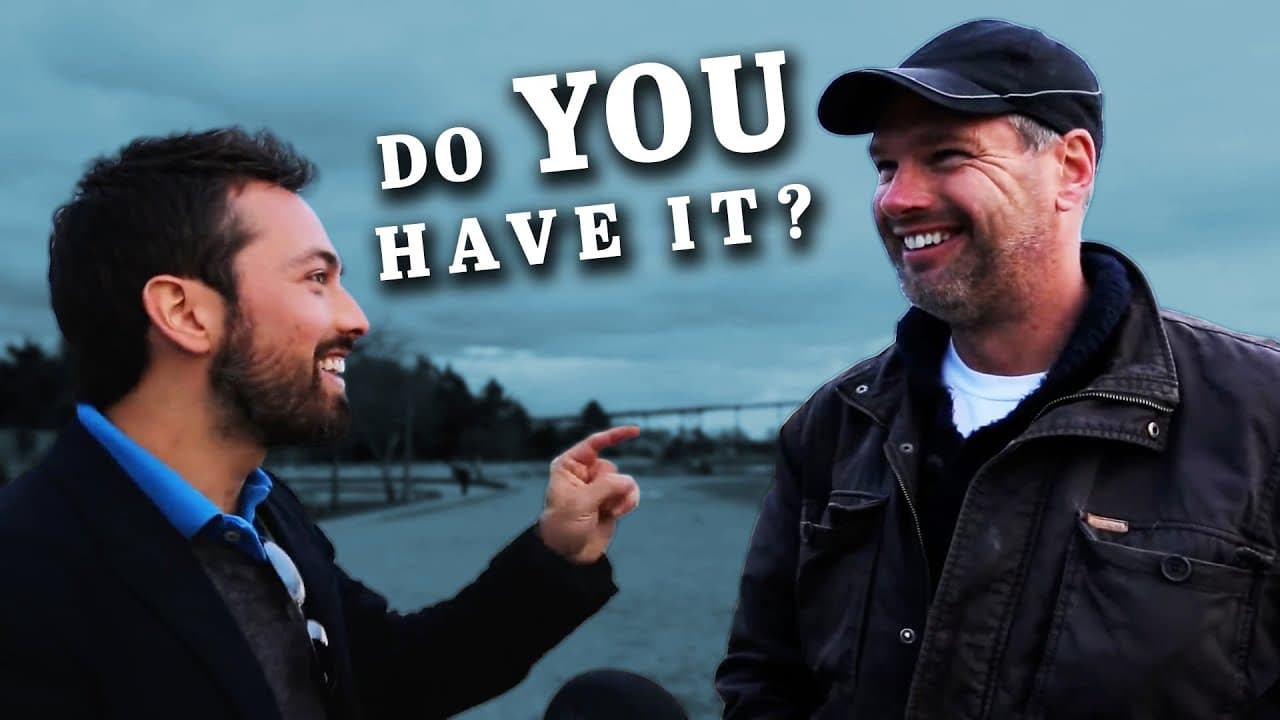
By challenging our assumptions and actively seeking disconfirming evidence, we can arrive at the truth.
Transcript
I'm gonna give you guys three numbers. A three number sequence and I have a rule in mind that these three numbers obey and I want you to try to figure out what that rule is. But the way you can get information is by proposing your own set of three numbers, to which I will say yes that follows my rule or no it doesn't follow my rule. And then you ca... Read More
Key Insights
- 🤔 Challenging assumptions and seeking disconfirming evidence is essential for critical thinking.
- ❓ Confirming evidence alone is not enough to determine the truth.
- 👨🔬 The scientific method encourages the active search for disconfirming evidence to validate theories.
- 😃 Focusing on obtaining "no" responses can be more informative than seeking "yes" responses.
- 🍗 The video emphasizes the need to challenge our beliefs and actively try to disprove them.
- 🥺 Proposing numbers that do not conform to our assumptions can lead to unexpected discoveries.
- ❓ Confirmation bias hinders the ability to arrive at the truth.
Install to Summarize YouTube Videos and Get Transcripts
Explore YouTube Video Summarizer or Get YouTube Transcript Extractor
Questions & Answers
Q: What is the challenge presented in the video?
The challenge is to propose three numbers that follow a secret rule, with the goal of figuring out the rule.
Q: Why do most participants struggle to uncover the rule?
Participants focus on confirming their assumptions, proposing numbers that fit their initial idea of the rule and overlooking disconfirming evidence.
Q: What is the significance of proposing numbers that do not fit the rule?
Proposing numbers that do not follow the rule provides valuable information and helps narrow down the possibilities.
Q: What is the importance of actively seeking disconfirming evidence?
Actively seeking disconfirming evidence is crucial for critical thinking and arriving at the truth, as it helps eliminate biases and false assumptions.
Summary & Key Takeaways
-
The speaker presents a challenge where participants must propose three numbers that follow a specific rule. The goal is to uncover the rule by proposing numbers that do not fit the pattern.
-
Most participants focus on confirming their assumptions rather than trying to disprove their hypotheses.
-
The key to scientific thinking is actively seeking disconfirming evidence to arrive at the truth.
Read in Other Languages (beta)
Share This Summary 📚
Summarize YouTube Videos and Get Video Transcripts with 1-Click
Try YouTube Summary with ChatGPT & Claude or YouTube Transcript Generator
Explore More Summaries from Veritasium 📚



Summarize YouTube Videos and Get Video Transcripts with 1-Click
Try YouTube Summary with ChatGPT & Claude or YouTube Transcript Generator