Why Metals Spontaneously Fuse Together In Space
TL;DR
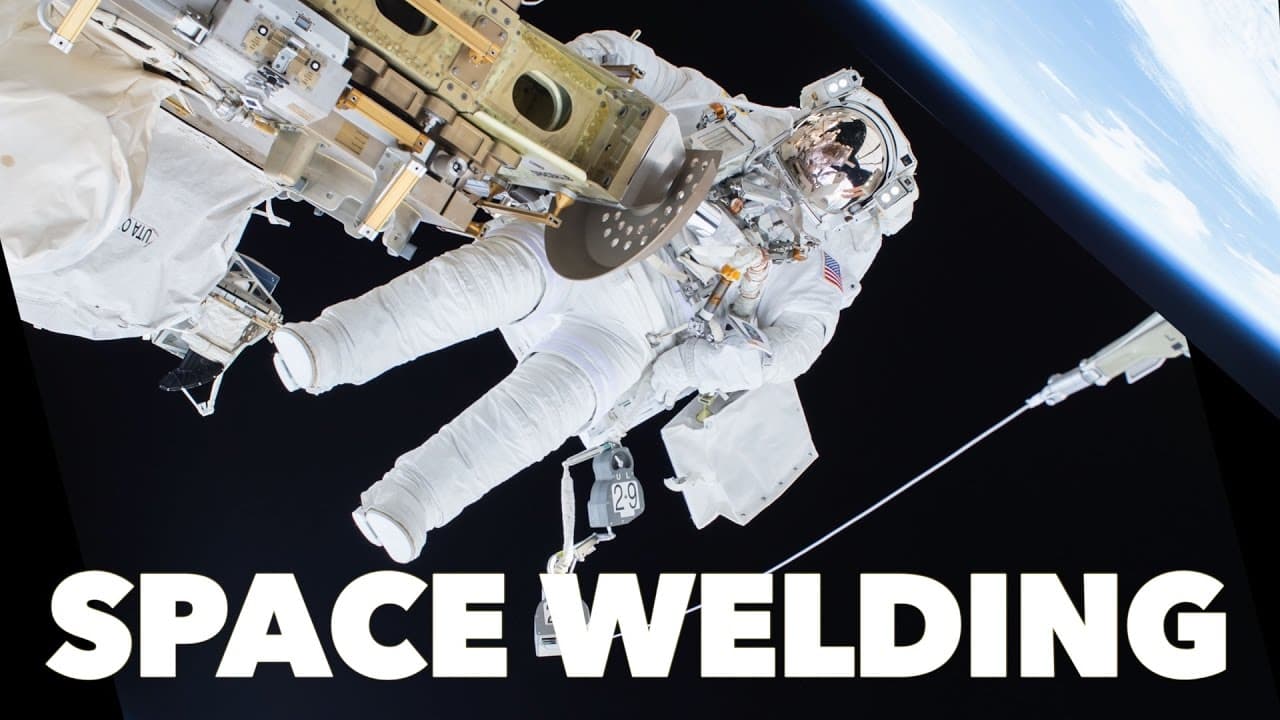
In space, metals can fuse together without heat due to the absence of an oxygen protective layer, causing potential problems for spacecraft; however, cold welding is also a valuable technique for nanotechnology on Earth.
Transcript
shall I put this down? yeah of course. ahhh alright we're about to do some welding go on here on earth if you want to get two metals to fuse you have to heat them up past their melting point but in space it's a different story as we found out the hard way on the third of june nineteen sixty-five astronaut ed white conducted the first ever American ... Read More
Key Insights
- 🥵 Cold welding occurs in space when metals come into contact without an oxide layer, resulting in fusion without the need for heat.
- 🥶 The Gemini IV hatch incident was not caused by cold welding but rather a mechanical issue.
- 🥶 Cold welding is not a significant problem for spacecraft since metals have oxide layers and other contaminants that prevent easy fusion.
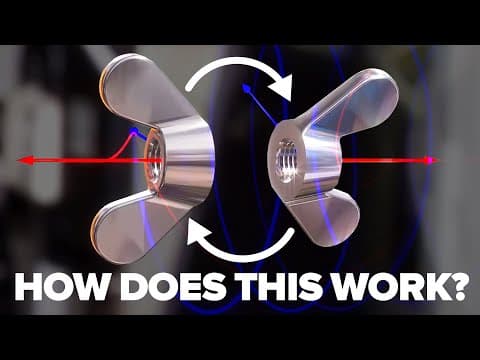
- 🫠 In nanotechnology, cold welding is a valuable technique as it allows for the fusion of tiny nanowires without the risk of overheating or melting.
- 🥶 To reduce the risks of cold welding in space, scientists suggest using plastics or ceramics, using different metals or alloys, and utilizing durable coatings.
- 🥵 Cold welding has been useful in the fabrication of nanotechnology, as it allows for the precise fusion of nanowires without the need for heat.
- 🥶 Audible.com is a leading provider of audiobooks and offers a free 30-day trial for viewers of Veritasium.
Install to Summarize YouTube Videos and Get Transcripts
Explore YouTube Video Summarizer or Get YouTube Transcript Extractor
Questions & Answers
Q: How did astronaut Ed White experience the effects of cold welding during his spacewalk?
Ed White's spacewalk revealed the issue of cold welding when his spacecraft's hatch would not close due to the metal surfaces fusing together in the absence of an oxide layer.
Q: Why don't we hear about cold welding disasters in space more often?
Cold welding is not as big of a problem as initially thought because metals used in spacecraft have oxide layers and other contaminants, preventing easy fusion in space.
Q: What was a real-life example of cold welding causing problems in space?
The Galileo spacecraft experienced cold welding when its high gain antenna got stuck, and three of the antenna ribs fused together, preventing the antenna from opening fully.
Q: How can the risks of cold welding be reduced in space?
The European Space Agency recommends using plastics or ceramics to avoid metal-on-metal contact, using different metals or alloys, and using durable coatings to resist wear and prevent bare metal contact.
Summary & Key Takeaways
-
Astronaut Ed White's spacewalk in 1965 revealed the phenomenon of cold welding, where metals can fuse in space without heat.
-
Cold welding occurs when two metal surfaces come into contact without an oxide layer present to prevent fusion.
-
While cold welding poses potential risks for spacecraft construction and maintenance, it is also valuable for nanotechnology fabrication on Earth.
Read in Other Languages (beta)
Share This Summary 📚
Summarize YouTube Videos and Get Video Transcripts with 1-Click
Try YouTube Summary with ChatGPT & Claude or YouTube Transcript Generator
Explore More Summaries from Veritasium 📚





Summarize YouTube Videos and Get Video Transcripts with 1-Click
Try YouTube Summary with ChatGPT & Claude or YouTube Transcript Generator