The Problem With Science Communication
TL;DR
Over-hyping scientific discoveries leads to false information, reduced trust in scientists, and a distorted understanding of scientific progress.
Transcript
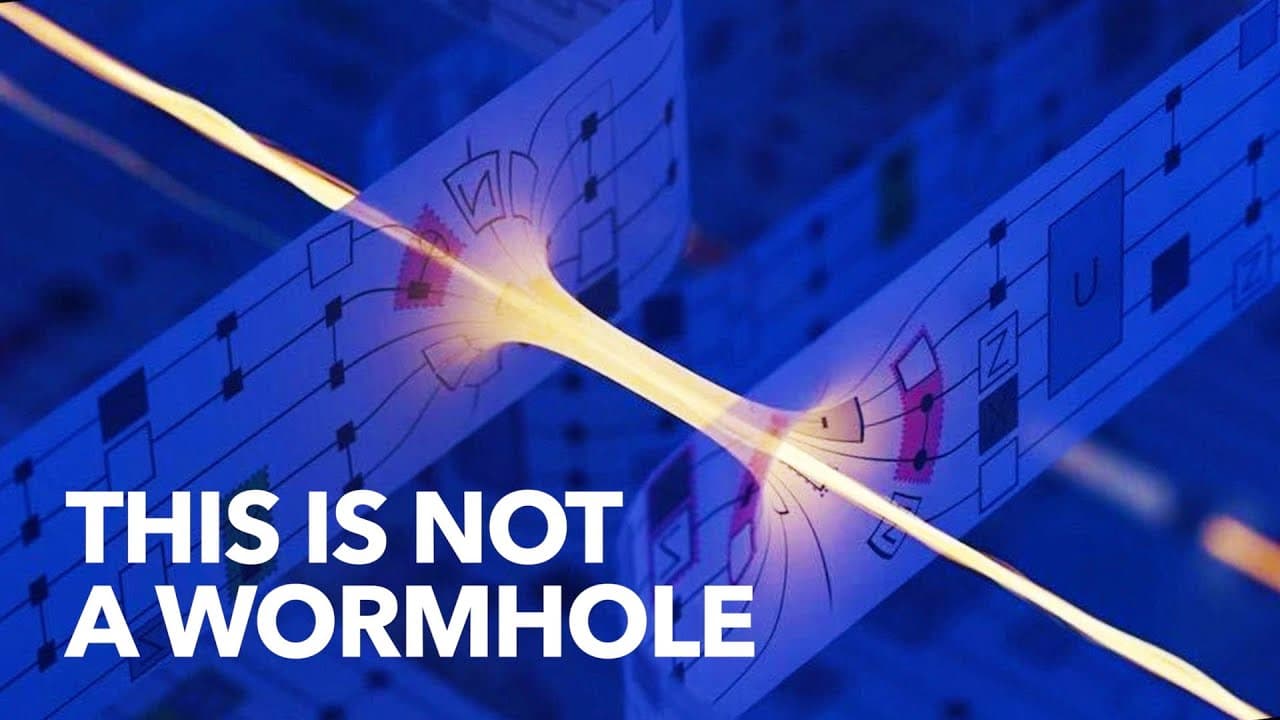
- On December 1st, 2022, the journal "Nature" published a cover story about a holographic wormhole. It was purportedly created inside a quantum computer to probe the intersection of quantum mechanics and gravity. The story kicked off a frenzy of tweets and news headlines. - Nobody has seen the wormhole. Nobody has produced one. - Well, we'll take t... Read More
Key Insights
- 🥺 Media sensationalism and the pursuit of attention can lead to over-hyped scientific headlines that distort the reality of scientific discoveries.
- 🏑 Over-hyping undermines public trust in science and can create a false sense of uncertainty and crisis within scientific fields.
- 📞 The most unexpected and surprising results tend to receive the most attention, but they are also more likely to be false or unreplicable.
- 💡 Responsible science communication requires transparency, cautiousness, and an acknowledgment of the speculative nature of certain scientific ideas.
Install to Summarize YouTube Videos and Get Transcripts
Explore YouTube Video Summarizer or Get YouTube Transcript Extractor
Questions & Answers
Q: Why does science hype occur?
Science hype is driven by the need for funding, public attention, and institutional promotion. Scientists often feel the pressure to exaggerate their findings to secure resources and support.
Q: How does over-hyping scientific discoveries affect public perception?
Over-hyped claims create skepticism and doubt among the public, leading to a distorted understanding of scientific progress. It erodes trust and can result in the generalization that all scientific discoveries are likely to be false.
Q: How can scientists and journalists address the issue of science hype?
By discussing the risks and implications of over-hyping, scientists and journalists can create awareness and promote responsible communication of scientific discoveries. Emphasizing the importance of peer review and replication can help mitigate the effects of hype.
Q: What are the consequences of science hype?
Science hype can contribute to the spread of false information, reduce trust in scientists, and hinder the progress of scientific research. It creates unrealistic expectations and can lead to disappointment when initial claims are later proven false.
Summary & Key Takeaways
-
The media sensationalizes scientific discoveries, often leading to over-hyped headlines and inaccurate information.
-
Scientists are compelled to attract attention to secure funding and promote their work, resulting in overstatement of their findings.
-
Public perception of science can be negatively impacted by this over-hyping, creating skepticism and doubt.
-
Over-hyped claims can reduce trust in scientists and impede the progress of scientific research.
Read in Other Languages (beta)
Share This Summary 📚
Summarize YouTube Videos and Get Video Transcripts with 1-Click
Try YouTube Summary with ChatGPT & Claude or YouTube Transcript Generator
Explore More Summaries from Veritasium 📚




Summarize YouTube Videos and Get Video Transcripts with 1-Click
Try YouTube Summary with ChatGPT & Claude or YouTube Transcript Generator